
Leticia Reed
LCSWCalifornia · 14 yrs exp
Licensed Clinical Social Worker - Trauma and Life Changes
Stress, Anxiety · Trauma and abuse · Grief · Self esteem · +8 more
Read profileTherapists who list culture, faith and migration among their work. An independent directory, not a crisis service.
Need help now?Therapist listings are provided by BetterHelp. We will earn a commission at no additional cost to you if you use our links to purchase.
Compare profiles of clinicians who list Workplace Issues together with cultural identity and multicultural concerns. Use listed location, focus areas, languages, and credentials to narrow choices and browse profiles below to learn more.
California · 14 yrs exp
Licensed Clinical Social Worker - Trauma and Life Changes
Stress, Anxiety · Trauma and abuse · Grief · Self esteem · +8 more
Read profile
United Kingdom · 15 yrs exp
Counsellor - Multicultural concerns and relationships
Stress, Anxiety · Self esteem · Career · Coping with life changes · +15 more
Read profile
New Jersey · 15 yrs exp
Licensed Professional Counselor - Relationships and Trauma
Relationship · Family · Trauma and abuse · Bipolar · +1 more
Read profile
Massachusetts · 30 yrs exp
LMFT and LMHC - Multicultural and family concerns
Addictions · Family · Trauma and abuse · Grief · +16 more
Read profile
United Kingdom · 3 yrs exp
BACP counsellor - Anxiety and trauma support
Stress, Anxiety · Relationship · Trauma and abuse · Grief · +1 more
Read profile
Minnesota · 15 yrs exp
Licensed Professional Clinical Counselor - Multicultural concerns
Stress, Anxiety · Relationship · Grief · Eating · +1 more
Read profile
Louisiana · 3 yrs exp
Licensed Professional Counselor - Stress and Trauma
Stress, Anxiety · Relationship · Trauma and abuse · Depression · +1 more
Read profile
Texas · 14 yrs exp
Licensed Professional Counselor - Family and Life Changes
Family · Parenting · Self esteem · Career · +3 more
Read profile
United Kingdom · 19 yrs exp
BACP counsellor - trauma and anxiety
Stress, Anxiety · Trauma and abuse · Grief · Self esteem · +12 more
Read profile
Australia · 21 yrs exp
ACA counsellor - Stress and relationships
Stress, Anxiety · Relationship · Trauma and abuse · Grief · +1 more
Read profile
Nebraska · 10 yrs exp
LIMHP - Relationships and Life Changes
Relationship · Parenting · Self esteem · Career · +1 more
Read profile
Australia · 7 yrs exp
PACFA counsellor - Stress and trauma focus
Stress, Anxiety · Trauma and abuse · Intimacy-related issues · Anger · +1 more
Read profile
United Kingdom · 8 yrs exp
Counsellor - anxiety and multicultural concerns
Stress, Anxiety · Grief · Self esteem · Depression · +10 more
Read profile
Connecticut · 11 yrs exp
LCSW - Stress and Multicultural concerns
Stress, Anxiety · Addictions · LGBT · Depression · +10 more
Read profile
Alabama · 21 yrs exp
Licensed Professional Counselor - Multicultural concerns and anxiety
Self esteem · Stress, Anxiety · Addictions · Relationship · +4 more
Read profile
Pennsylvania · 15 yrs exp
Licensed counselor - stress and relationships
Stress, Anxiety · Relationship · Family · Self esteem · +1 more
Read profile
United Kingdom · 7 yrs exp
Registered counsellor - stress and relationships
Stress, Anxiety · Relationship · Family · Self esteem · +8 more
Read profile
New York · 35 yrs exp
LCSW-R in New York - Stress and trauma care
Stress, Anxiety · Trauma and abuse · Grief · Self esteem · +1 more
Read profile
United Kingdom · 9 yrs exp
BACP counsellor - multicultural and trauma concerns
Stress, Anxiety · Relationship · Trauma and abuse · Grief · +12 more
Read profile
South Carolina · 10 yrs exp
Licensed Professional Counselor - Multicultural concerns and relationships
Stress, Anxiety · Relationship · Parenting · Career · +6 more
Read profile
Mississippi · 12 yrs exp
LCSW focusing on mood and multicultural concerns
Stress, Anxiety · Addictions · Anger · Self esteem · +12 more
Read profile
Wyoming · 9 yrs exp
Licensed Professional Counselor - Multicultural concerns and relationships
Read profile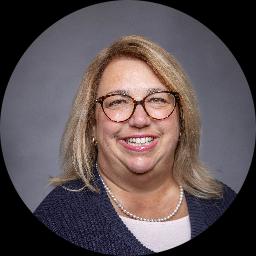
Florida · 15 yrs exp
Licensed Mental Health Counselor - Family and Parenting
Family · Parenting
Read profile
United Kingdom · 4 yrs exp
BACP counsellor - Multicultural and relational concerns
Stress, Anxiety · Relationship · Self esteem · Depression · +12 more
Read profileWork can be a central place where questions of identity, belonging and expectation come into focus. You may find that migration and acculturation shape how you experience workplace norms, or that intergenerational expectations and family roles affect decisions about advancement, time off or job changes. Experiences of discrimination, microaggressions or the feeling of not being understood by colleagues can add layers of stress that are shaped by culture, faith, ethnicity, language or immigration history. Those cultural factors do not always cause workplace problems, but they often influence how you perceive and respond to them.
When you look for help, it can be useful to think about which elements of your work life are most important to address. Are you seeking ways to navigate cross-cultural communication at work, to manage the psychological impact of discrimination, or to reconcile career goals with family expectations and cultural values? Therapists who list Workplace Issues among their focus areas often also indicate experience with multicultural concerns or cultural identity, but the presence of those topics on a profile is not evidence of a particular certification or outcome. Use profiles to identify clinicians whose stated areas of interest align with your priorities, and plan to ask questions that clarify how they approach the specific cultural aspects you want to explore.
This page groups profiles where Workplace Issues appear alongside cultural identity and multicultural concerns. That pairing reflects how practitioners describe the populations and problems they work with, and it can help you find someone who names issues similar to yours. Cultural identity can shape workplace experiences through expectations about hierarchy, communication styles, acceptable expressions of stress, and obligations to family or community. Migration can add layers such as credential recognition, language adjustment and different workplace norms that influence both practical choices and emotional responses. Intergenerational dynamics may show up when expectations from elders or parents about career paths differ from your personal goals. Discrimination and bias at work create pressure that often feels personal and relational, and speaking with someone who acknowledges these dynamics can help you feel understood.
Profiles on this site indicate areas therapists list as interests or specialties, and many profiles will also mention approaches, languages spoken, and professional credentials. Degrees such as PhD, PsyD, MD, MA or MSW are academic qualifications and do not by themselves establish current permission to practice. In the United States you may see clinicians who list a state license; in the United Kingdom a profile may show registration or professional association membership; in Australia you may see registration or membership as well. Those distinctions matter when you want to understand the regulatory framework that applies to a clinician in their listed location.
When you review profiles and prepare to contact someone, concrete questions will give you a clearer sense of fit. Ask about their experience working with people who share your particular mix of concerns - for example, whether they have supported clients dealing with migration-related job transitions, managing microaggressions at work, or navigating intergenerational family expectations tied to career choices. Inquire how they describe the role of culture in therapy, and whether they have worked with people from similar linguistic or faith backgrounds if that matters to you. You can ask whether they collaborate with employers or occupational health services, and how they draw boundaries between therapeutic work and workplace mediation.
It is appropriate to ask about approaches in conversational terms. For example, you might say you noticed therapists who list cognitive behavioral approaches, narrative work, or expressive therapies among their approaches, and ask how they adapt these options to address cultural or migration-related stress. If a profile indicates that a therapist lists EMDR among their approaches, ask how that approach might or might not be used for workplace-related trauma. Be mindful that listing an approach is not evidence of formal certification, so frame questions to learn how the clinician uses that approach in practice and whether they consider it relevant to your goals.
If you are considering remote sessions, there are practical topics to cover before you begin. Clarify the clinician's listed location and how time zones might affect scheduling, and ask what platforms they use for remote meetings so you can check compatibility with your device. Discuss what to do in an emergency given your own location and the clinician's listed jurisdiction, and confirm whether they can offer referrals or local resources if necessary. Privacy at home can be a concern - plan where you can speak from a quiet space and agree on signals or plans if interruptions occur. You may also want to talk about interpreter needs or whether the clinician works directly in another language; many profiles list languages spoken and you can use that information to find someone who communicates in the language you prefer.
Before you begin, ask about the clinician's professional registration or license type and how it applies to remote work across borders. In the United States, many profiles will state the type of state license the clinician holds. In the United Kingdom and Australia you may see references to professional registration, a national register or membership of a professional body. Degrees and academic credentials are helpful context, but a degree such as a PhD, PsyD, MA or MSW should be considered separately from registration or licensure. If regulatory details matter to you, include a question about them in your initial conversation so you understand the framework under which care would be delivered.
Comparing profiles is about more than a list of words on a page - it is about matching the emphasis on a profile to the experience you want. Start by reading the paragraph where a clinician describes their focus areas and how they talk about workplace issues and cultural identity. Note whether migration, acculturation, intergenerational expectations or discrimination stress are explicitly mentioned, and whether the profile describes the settings in which they have worked, such as community clinics, corporate contexts, or immigrant and refugee services. Look for language details; if you prefer a clinician who speaks your first language, check the languages listed and consider asking whether they conduct sessions in that language or use interpretation support.
Examine how credentials are presented. A profile may list academic degrees and separately mention a license, registration or professional membership. Degrees indicate training at the educational level, while a license in the United States or registration in the United Kingdom and Australia relates to permission to practice and professional standards in that jurisdiction. If a profile names therapeutic approaches, remember those approaches are options to discuss rather than guarantees of use. Think about style words in the profile - some clinicians emphasize a practical problem-solving style, others stress reflective exploration or community-focused work. You can use those stylistic cues to form questions about what a typical session might look like and how they incorporate cultural factors into their practice.
Finally, keep in mind that a listed topic does not automatically indicate that a clinician treats children, couples or families. If your needs involve family systems, workplace mediation, or children and adolescents, raise that explicitly when you contact a clinician. The profiles on this site are a starting point to identify people who name the issues you want to address. By comparing focus areas, approaches, credentials, languages and described style, and by asking targeted questions about experience and practical arrangements, you can find a clinician profile that feels like the right starting point for the conversations you want to have.
Alabama
21 therapists
Alaska
5 therapists
Arizona
17 therapists
Arkansas
7 therapists
Australia
62 therapists
California
183 therapists
Colorado
37 therapists
Connecticut
13 therapists
Delaware
5 therapists
District of Columbia
7 therapists
Florida
189 therapists
Georgia
51 therapists
Hawaii
11 therapists
Idaho
9 therapists
Illinois
73 therapists
Indiana
17 therapists
Iowa
7 therapists
Kansas
9 therapists
Kentucky
19 therapists
Louisiana
44 therapists
Maine
2 therapists
Maryland
33 therapists
Massachusetts
22 therapists
Michigan
54 therapists
Minnesota
23 therapists
Mississippi
20 therapists
Missouri
31 therapists
Montana
7 therapists
Nebraska
7 therapists
Nevada
15 therapists
New Hampshire
4 therapists
New Jersey
45 therapists
New Mexico
10 therapists
New York
111 therapists
North Carolina
81 therapists
North Dakota
2 therapists
Ohio
29 therapists
Oklahoma
32 therapists
Oregon
14 therapists
Pennsylvania
60 therapists
Rhode Island
3 therapists
South Carolina
23 therapists
South Dakota
1 therapist
Tennessee
26 therapists
Texas
238 therapists
United Kingdom
296 therapists
Utah
11 therapists
Vermont
1 therapist
Virginia
38 therapists
Washington
21 therapists
West Virginia
1 therapist
Wisconsin
21 therapists
Wyoming
4 therapists