
Leticia Reed
LCSWCalifornia · 14 yrs exp
Licensed Clinical Social Worker - Trauma and Life Changes
Stress, Anxiety · Trauma and abuse · Grief · Self esteem · +8 more
Read profileTherapists who list culture, faith and migration among their work. An independent directory, not a crisis service.
Need help now?Therapist listings are provided by BetterHelp. We will earn a commission at no additional cost to you if you use our links to purchase.
Use the profiles on this page to compare listed location, focus areas, languages, academic credentials, and professional registrations. Browse profiles to learn how different therapists describe their approaches and experience with prejudice and discrimination.
California · 14 yrs exp
Licensed Clinical Social Worker - Trauma and Life Changes
Stress, Anxiety · Trauma and abuse · Grief · Self esteem · +8 more
Read profile
United Kingdom · 15 yrs exp
Counsellor - Multicultural concerns and relationships
Stress, Anxiety · Self esteem · Career · Coping with life changes · +15 more
Read profile
Massachusetts · 30 yrs exp
LMFT and LMHC - Multicultural and family concerns
Addictions · Family · Trauma and abuse · Grief · +16 more
Read profile
United Kingdom · 3 yrs exp
BACP counsellor - Anxiety and trauma support
Stress, Anxiety · Relationship · Trauma and abuse · Grief · +1 more
Read profile
Massachusetts · 40 yrs exp
LICSW - Anxiety and Relationship Concerns
Stress, Anxiety · Addictions · LGBT · Relationship · +15 more
Read profile
United Kingdom · 19 yrs exp
BACP counsellor - trauma and anxiety
Stress, Anxiety · Trauma and abuse · Grief · Self esteem · +12 more
Read profile
Texas · 3 yrs exp
Licensed Professional Counselor - Multicultural concerns
Stress, Anxiety · Relationship · Family · Self esteem · +6 more
Read profile
United Kingdom · 12 yrs exp
BACP counsellor - Stress and LGBT concerns
Stress, Anxiety · LGBT · Relationship · Grief · +1 more
Read profile
Colorado · 6 yrs exp
Licensed Professional Counselor - Trauma and Multicultural concerns
Trauma and abuse · Grief · Intimacy-related issues · Self esteem · +1 more
Read profile
United Kingdom · 8 yrs exp
Counsellor - anxiety and multicultural concerns
Stress, Anxiety · Grief · Self esteem · Depression · +10 more
Read profile
Indiana · 13 yrs exp
LMHC and LPC - Anxiety and Relationships
Stress, Anxiety · Relationship · Trauma and abuse · Self esteem · +1 more
Read profile
Connecticut · 11 yrs exp
LCSW - Stress and Multicultural concerns
Stress, Anxiety · Addictions · LGBT · Depression · +10 more
Read profile
Alabama · 21 yrs exp
Licensed Professional Counselor - Multicultural concerns and anxiety
Self esteem · Stress, Anxiety · Addictions · Relationship · +4 more
Read profile
Pennsylvania · 15 yrs exp
Licensed counselor - stress and relationships
Stress, Anxiety · Relationship · Family · Self esteem · +1 more
Read profile
United Kingdom · 7 yrs exp
Registered counsellor - stress and relationships
Stress, Anxiety · Relationship · Family · Self esteem · +8 more
Read profile
New York · 35 yrs exp
LCSW-R in New York - Stress and trauma care
Stress, Anxiety · Trauma and abuse · Grief · Self esteem · +1 more
Read profile
Minnesota · 5 yrs exp
LICSW - Anxiety and Trauma focused
Stress, Anxiety · LGBT · Trauma and abuse · Eating · +1 more
Read profile
United Kingdom · 5 yrs exp
BACP counsellor - Anxiety and grief
Stress, Anxiety · Trauma and abuse · Grief · Depression · +2 more
Read profile
United Kingdom · 9 yrs exp
BACP counsellor - multicultural and trauma concerns
Stress, Anxiety · Relationship · Trauma and abuse · Grief · +12 more
Read profile
Florida · 4 yrs exp
Florida LMHC - Mood and trauma concerns
Stress, Anxiety · Trauma and abuse · Self esteem · Bipolar · +1 more
Read profile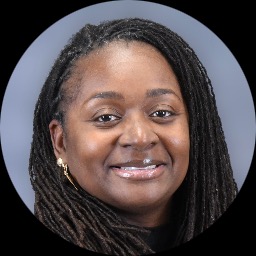
South Carolina · 10 yrs exp
Licensed Professional Counselor - Multicultural concerns and relationships
Stress, Anxiety · Relationship · Parenting · Career · +6 more
Read profile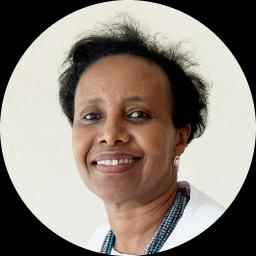
United Kingdom · 26 yrs exp
BACP counsellor - trauma and multicultural concerns
Stress, Anxiety · Relationship · Trauma and abuse · Grief · +1 more
Read profile
Florida · 15 yrs exp
Licensed Mental Health Counselor - Family and Parenting
Family · Parenting
Read profile
New York · 22 yrs exp
LCSW - Relationships and Life Stress
Stress, Anxiety · Relationship · Parenting · Bipolar · +14 more
Read profileWhen you are searching for help with prejudice and discrimination, you are likely looking for someone who understands how social identity shapes daily experience. You might be dealing with overt incidents of bias, microaggressions that accumulate into ongoing stress, or subtle patterns of exclusion in work, education, or social settings. You could also be facing the emotional fallout of being misunderstood by family members, or navigating expectations that come from different generations within your culture. All of these responses are valid reactions to exclusion and mistreatment, and they often intersect with questions of belonging, identity, and safety in social spaces.
Pay attention to how you feel when you think about seeking support. You might be looking for validation that your experience matters, practical strategies to manage stress responses, or help exploring identity questions that feel difficult to discuss with people in your everyday life. Some people want culturally informed perspective on migration and acculturation - for example, the tension between preserving cultural traditions and adapting to a new social environment. Others want to focus on how discrimination affects their relationships, work performance, or sense of self. Clarifying which of these you most want to address will help you compare profiles and find professionals whose stated focuses match your priorities.
This directory highlights multicultural concerns and cultural identity, and prejudice and discrimination is a closely related area because it often arises from those very identities. Experiences of bias are rarely isolated from other aspects of cultural life - migration history, language, faith, visible or invisible identity markers, and intergenerational expectations all shape how prejudice is experienced and processed. On this page you will find profiles that list prejudice and discrimination among their focus areas alongside multicultural concerns, which lets you consider both the direct impact of bias and the broader cultural context.
Keep in mind that a therapist listing a focus does not automatically mean they share your background or that they hold specific cultural competence credentials. Profiles indicate what a therapist lists as areas they work with, and that can include migration and acculturation stress, intergenerational family dynamics, or feeling misunderstood because of cultural differences. You can use that information to look for practitioners who explicitly mention the intersections that matter to you, such as language needs, migration-related trauma, or parent-child expectation conflicts. These connections are useful to consider, but they do not replace a direct conversation about fit and experience.
When you read profiles, note the language therapists use to describe their approaches and experience, then prepare concrete questions to help you decide whether to reach out. Ask whether they have experience with situations like yours - for example, working with people navigating acculturation, addressing workplace discrimination, or coping with intergenerational expectations. Ask what kinds of approaches they list and frame the question in neutral terms, such as whether they have worked with clients using cognitive-behavioral techniques, narrative or culturally informed approaches, trauma-informed perspectives, or therapies that attend to body-based stress responses. Use phrasing like "I see you list CBT among your approaches; how might that be used when addressing discrimination-related stress?" or "Can you describe how you attend to cultural identity in sessions?"
Also ask about the scope of their practice. A listed focus does not establish that they work with children, couples, or families, so clarify whether they typically work with individuals in the age group or relationship context you need. Ask about the types of issues they commonly address within prejudice and discrimination, such as coping strategies for acute incidents versus long-term identity integration work. These questions do not require technical answers; they are intended to help you gauge whether a therapist’s way of working aligns with your needs and expectations.
If you plan to connect online, there are practical topics to bring up before you begin. Discuss how they handle time zone differences if you are in a different region from their listed location, what communication channels they use for scheduling or messaging, and what the first few sessions typically focus on. You should ask how they approach creating a safe setting for conversations about identity and discrimination, and whether they have experience addressing challenges that can emerge in remote work - for example, managing emotional reactions when you are in a non-therapeutic environment or when language nuances matter.
It is also useful to clarify what kinds of documentation or consent they use for remote sessions in the listed location. Since this directory includes professionals from the US, the UK, and Australia, expectations and legal frameworks can differ. Ask which professional registration or license they hold in the listed location and what their academic credentials are, keeping in mind that degrees such as PhD, PsyD, MD, MA, or MSW are distinct from professional permission to practice. A degree describes academic training; registration or a stated license indicates professional authorization in a jurisdiction. These conversations will help you understand how a therapist manages online care and whether their approach fits your communication and logistical needs.
Profiles are most useful when you compare specific elements rather than seeking a single perfect label. Look at focus areas to see whether a profile explicitly mentions prejudice, discrimination, migration, acculturation, or intergenerational expectations. Note whether a therapist lists multicultural concerns alongside prejudice and discrimination - that can signal attention to context. Check the languages spoken in a profile if language concordance is important to you, and consider whether the way a profile is written feels culturally attuned to your experience.
Examine academic degrees separately from professional registrations. A profile that lists a PhD, PsyD, MD, MA, or MSW tells you about training background, while an entry that mentions state licensure in the US or membership and registration with national bodies in the UK or Australia indicates the form of professional recognition in the listed location. Remember that degrees do not guarantee active permission to practice. Finally, pay attention to the descriptions of style and approach. Some therapists list cognitive, narrative, trauma-informed, or somatic approaches; read those phrases as conversation starters and not as proofs of training. Ask how those approaches might be applied to your situation, and whether the therapist typically works in a directive or exploratory manner. By comparing these concrete features across profiles - focus areas, languages, credentials, and described style - you can form a shortlist of professionals to contact for an initial conversation about fit.
Searching for support for prejudice and discrimination means balancing practical needs and personal comfort. Use the details in profiles to guide your questions, focus on specifics when you contact a professional, and bring up the cultural contexts that matter most to you. You might choose someone who explicitly mentions migration-related work, intergenerational family expectations, or a particular language, or you might prioritize a description of approach that resonates with how you prefer to explore challenging experiences. In every case, planning a short conversation to clarify scope, approach, and professional standing in the listed location will help you make an informed choice about who to speak with next.
Alabama
21 therapists
Alaska
5 therapists
Arizona
17 therapists
Arkansas
7 therapists
Australia
62 therapists
California
183 therapists
Colorado
37 therapists
Connecticut
13 therapists
Delaware
5 therapists
District of Columbia
7 therapists
Florida
189 therapists
Georgia
51 therapists
Hawaii
11 therapists
Idaho
9 therapists
Illinois
73 therapists
Indiana
17 therapists
Iowa
7 therapists
Kansas
9 therapists
Kentucky
19 therapists
Louisiana
44 therapists
Maine
2 therapists
Maryland
33 therapists
Massachusetts
22 therapists
Michigan
54 therapists
Minnesota
23 therapists
Mississippi
20 therapists
Missouri
31 therapists
Montana
7 therapists
Nebraska
7 therapists
Nevada
15 therapists
New Hampshire
4 therapists
New Jersey
45 therapists
New Mexico
10 therapists
New York
111 therapists
North Carolina
81 therapists
North Dakota
2 therapists
Ohio
29 therapists
Oklahoma
32 therapists
Oregon
14 therapists
Pennsylvania
60 therapists
Rhode Island
3 therapists
South Carolina
23 therapists
South Dakota
1 therapist
Tennessee
26 therapists
Texas
238 therapists
United Kingdom
296 therapists
Utah
11 therapists
Vermont
1 therapist
Virginia
38 therapists
Washington
21 therapists
West Virginia
1 therapist
Wisconsin
21 therapists
Wyoming
4 therapists