
Marci Sturgeon-Rusiewicz
LPCPennsylvania · 15 yrs exp
Licensed counselor - stress and relationships
Stress, Anxiety · Relationship · Family · Self esteem · +1 more
Read profileTherapists who list culture, faith and migration among their work. An independent directory, not a crisis service.
Need help now?Therapist listings are provided by BetterHelp. We will earn a commission at no additional cost to you if you use our links to purchase.
This page groups profiles under the listed location Pennsylvania for clinicians who have listed cultural identity and multicultural concerns among their focus areas. Compare focus areas, approaches, languages, and academic credentials, then open individual profiles to learn more and confirm whether a clinician can work with you where you live.
Pennsylvania · 15 yrs exp
Licensed counselor - stress and relationships
Stress, Anxiety · Relationship · Family · Self esteem · +1 more
Read profile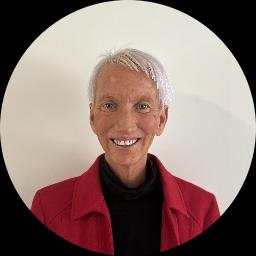
Pennsylvania · 15 yrs exp
Licensed counselor for anxiety and trauma
Stress, Anxiety · Trauma and abuse · Sleeping · Self esteem · +9 more
Read profile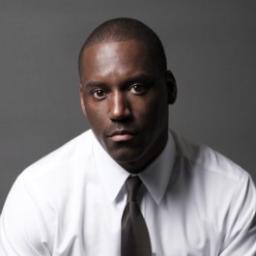
Pennsylvania · 13 yrs exp
Licensed Professional Counselor - Stress and Anxiety
Stress, Anxiety · Relationship · Self esteem · Depression · +1 more
Read profile
Pennsylvania · 4 yrs exp
LPC counselor - anxiety and trauma
Stress, Anxiety · LGBT · Relationship · Family · +1 more
Read profile
Pennsylvania · 8 yrs exp
Licensed Professional Counselor - Anxiety and Trauma
Stress, Anxiety · Family · Anger · Depression · +1 more
Read profile
Pennsylvania · 20 yrs exp
LCSW - Stress and career related concerns
Stress, Anxiety · Relationship · Career · Depression · +1 more
Read profile
Pennsylvania · 40 yrs exp
Licensed counselor - relationships and parenting
Relationship · Family · Parenting · Anger · +1 more
Read profile
Pennsylvania · 20 yrs exp
Licensed Professional Counselor - Trauma and Life Changes
Trauma and abuse · Parenting · Career · Coping with life changes · +14 more
Read profile
Pennsylvania · 30 yrs exp
Licensed clinical social worker - stress and relationships
Stress, Anxiety · Relationship · Self esteem · Depression · +11 more
Read profile
Pennsylvania · 25 yrs exp
Licensed counselor - Multicultural and relationship concerns
LGBT · Family · Grief · Depression · +15 more
Read profile
Pennsylvania · 36 yrs exp
LCSW - Multicultural concerns and relationships
Stress, Anxiety · Relationship · Family · Trauma and abuse · +10 more
Read profile
Pennsylvania · 5 yrs exp
LPC focusing on anxiety and relationships
Stress, Anxiety · Relationship · Trauma and abuse · Self esteem
Read profile
Pennsylvania · 20 yrs exp
Licensed Professional Counselor - Stress and Multicultural concerns
Stress, Anxiety · Addictions · Career · Depression · +9 more
Read profile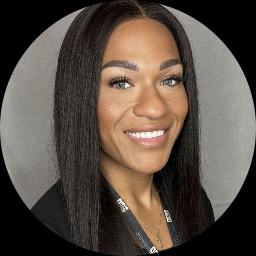
Pennsylvania · 13 yrs exp
LMFT focused on relationships and trauma
Relationship · Family · Trauma and abuse · Intimacy-related issues · +16 more
Read profile
Pennsylvania · 10 yrs exp
Licensed counselor - Multicultural and anxiety work
Stress, Anxiety · Relationship · Grief · Self esteem · +8 more
Read profile
Pennsylvania · 25 yrs exp
Licensed Professional Counselor - Stress and Relationships
Stress, Anxiety · Relationship · Family · Coping with life changes · +1 more
Read profile
Pennsylvania · 10 yrs exp
Licensed Professional Counselor - Stress and Trauma
Stress, Anxiety · Relationship · Trauma and abuse · Self esteem · +1 more
Read profile
Pennsylvania · 3 yrs exp
Licensed Clinical Social Worker - Family and Trauma
Family · Grief · Parenting · Self esteem · +5 more
Read profile
Pennsylvania · 5 yrs exp
LCSW - Anxiety and LGBT support
Stress, Anxiety · LGBT · Family · Self esteem · +1 more
Read profile
Pennsylvania · 46 yrs exp
PA Psychologist - Relationships and Trauma
Relationship · Trauma and abuse · Parenting · Self esteem · +9 more
Read profile
Pennsylvania · 8 yrs exp
Licensed Professional Counselor - Multicultural and family concerns
Stress, Anxiety · Family · Parenting · Self esteem · +10 more
Read profile
Pennsylvania · 10 yrs exp
Licensed counselor - trauma and mood concerns
Trauma and abuse · Self esteem · Career · Depression · +8 more
Read profile
Pennsylvania · 6 yrs exp
Licensed Professional Counselor - Multicultural concerns and anxiety
Stress, Anxiety · Parenting · Self esteem · Depression · +1 more
Read profile
Pennsylvania · 8 yrs exp
LCSW - Stress and Relationship Concerns
Stress, Anxiety · LGBT · Relationship · Self esteem · +1 more
Read profileWhen cultural identity is part of what brings you to search for support, you may be navigating experiences that touch on migration, acculturation, family expectations, or stress from discrimination. In Pennsylvania, as in other places, individuals and families often balance multiple cultural worlds - perhaps maintaining language and traditions from an earlier generation while also adapting to local norms. You might be dealing with questions of belonging, feeling misunderstood by health and social systems, or negotiating different expectations between generations. All of these are legitimate topics to explore with a professional who lists these concerns as part of their focus.
Migration and acculturation can appear as quiet, persistent strain or as an acute challenge tied to a life transition. You may notice shifts in identity after moving, or find that values and routines once taken for granted now feel at odds with those around you. Intergenerational dynamics often amplify this - parents or elders and younger family members may have different priorities around language, work, gender roles, or religious practice. Discrimination-related stress can further complicate everyday life by eroding trust and making it harder to feel seen. When you look through profiles, pay attention to how each clinician describes their experience with these themes and how they talk about creating a setting where you can say what matters to you.
This page groups profiles under the listed location Pennsylvania. That grouping is not evidence of an office, physical proximity, eligibility for every resident, or an active license in that location. Profiles may vary in the detail they provide. Some will clearly note whether the professional is permitted to work with people in Pennsylvania; others may list a city or region without further documentation. You should read each profile and confirm directly with the clinician whether they can legally and ethically provide services where you live.
Understanding credentials requires careful attention. Academic degrees such as PhD, PsyD, MD, MA, and MSW describe formal education but do not by themselves establish permission to practice. In the United States, state licenses indicate permission to practice and are separate from academic degrees. In the United Kingdom and Australia, different systems apply - professionals may be registered with a national board or hold membership in a professional association. Profiles will often list degrees and may also mention licensing, registration, or memberships. When the profile lists a degree, treat it as information about training rather than proof of current legal permission to provide care in a particular place.
As you compare profiles, think about concrete questions that reveal how a clinician works and whether their style matches what you need. Ask whether the clinician has experience discussing migration and acculturation in ways that resonate with your background, and whether they have worked with intergenerational family expectations similar to yours. Inquire about their experience addressing the psychological effects of discrimination and how they help clients feel understood when those topics are central. If language access matters, ask which languages they list and how language is used during sessions - whether an interpreter might be involved or whether the clinician conducts sessions in that language themselves.
Also explore how a clinician frames their approach. Profiles may list therapeutic approaches or note that a clinician uses certain methods. Rather than assuming that a listed approach equals formal certification, ask what the clinician means when they describe an approach and how they adapt it for cultural context. For example, you might ask: How do you tailor the techniques you list to fit a client's cultural values? What does working with migration-related stress look like in practice for you? Do you have experience supporting clients through family expectation conflicts across generations? These kinds of questions help you move beyond labels to practical examples of how a clinician might work with you.
If you are considering care that is offered across distance, raise specific logistical and safety topics up front. Confirm whether the clinician has permission to provide services in your state or country and what their listed location means for you. Discuss how crisis situations would be handled if urgent help is needed where you live, and ask what local resources they recommend when immediate in-person support is required. If privacy of conversations is important to you, ask about the practical steps they take to protect your information and how they create a safe setting for sensitive topics. Clarify how language needs are met, and whether sessions can accommodate interpreters or conduct conversations in another language that you prefer.
Technology and boundaries are also reasonable topics. Ask how they handle scheduling and cancellations, what their typical communication style is between sessions, and how they describe the boundaries of their role. If cultural or faith-based elements are important in your healing or identity, ask how they incorporate or respect those elements. These discussions are about setting mutual expectations and establishing a working relationship that feels respectful and clear from the start. Remember that the profile is a starting point for conversation, not a binding description of every possible interaction.
When comparing profiles, read beyond single words and look for narrative detail. Focus areas tell you what a clinician lists as topics they address - for instance cultural identity, migration stress, intergenerational conflict, or discrimination-related trauma. Consider whether the profile explains what that focus looks like in practice. Do they offer examples of the populations they have worked with, or describe particular settings where they have supported people facing similar challenges?
Languages listed on a profile can be important if you prefer care in a language other than English. Note whether the clinician lists conversational ability or professional fluency and consider asking follow-up questions about how language use is handled in sessions. Compare credentials by separating academic degrees from licenses or registrations. A PhD or MSW describes academic preparation; a state license in the United States or registration with a national board in the UK or Australia reflects different regulatory frameworks. Ask clinicians to clarify what their listed credentials mean for their ability to practice with you.
Finally, look for clues about therapeutic style and interpersonal approach. Some profiles describe a direct, goal-focused stance while others emphasize reflective, exploratory work. Profiles may list approaches that a clinician uses - for example, you may find clinicians who list EMDR among their approaches. Treat such listings as topics to discuss rather than guarantees of training. Ask for examples of how a clinician modifies their approach when cultural identity is central to the work, and how they measure progress or adjust course. By combining careful reading of profiles with targeted questions, you can form a clearer picture of which clinicians are worth contacting to discuss the specifics of your situation.
Use the profiles in this Pennsylvania grouping as an entry point. Check the individual profile for the details you need and confirm directly whether a clinician can work with you where you live. Take time to frame your priorities - whether language, family dynamics, migration history, or experiences of discrimination - and use them as the lens for comparison. When you reach out, ask concise, concrete questions about experience, approach, and legal permission to practice in your area so you can make an informed choice about next steps.
Anger
937 therapists
Depression
1679 therapists
Domestic Violence
779 therapists
Grief
1202 therapists
Guilt and Shame
1446 therapists
Isolation / Loneliness
1396 therapists
Post-Traumatic Stress
1251 therapists
Self Esteem
1574 therapists
Social Anxiety and Phobia
1215 therapists
Stress & Anxiety
1880 therapists
Trauma and Abuse
1432 therapists
Adoption
507 therapists
Aging and Geriatric Issues
677 therapists
Attachment Issues
1134 therapists
Blended Family Issues
926 therapists
Career
899 therapists
Caregiver Issues and Stress
1100 therapists
Codependency
907 therapists
Communication Problems
1574 therapists
Coping with Life Changes
1449 therapists
Divorce
1100 therapists
Family
1202 therapists
Family of Origin Issues
965 therapists
Fatherhood Issues
576 therapists
Forgiveness
1336 therapists
Life Purpose
1526 therapists
Money and Financial Issues
638 therapists
Parenting
910 therapists
Relationship
1504 therapists
Workplace Issues
1225 therapists