
Dr. Hannah Armbrust
LMHC, LPCIndiana · 13 yrs exp
LMHC and LPC - Anxiety and Relationships
Stress, Anxiety · Relationship · Trauma and abuse · Self esteem · +1 more
Read profileTherapists who list culture, faith and migration among their work. An independent directory, not a crisis service.
Need help now?Therapist listings are provided by BetterHelp. We will earn a commission at no additional cost to you if you use our links to purchase.
This page groups profiles listed in Indiana that include cultural identity and multicultural concerns among their focus areas. Use the listing grid to compare credentials, languages and therapeutic approaches, and check individual profiles to confirm permission to work together in the listed location.
Indiana · 13 yrs exp
LMHC and LPC - Anxiety and Relationships
Stress, Anxiety · Relationship · Trauma and abuse · Self esteem · +1 more
Read profile
Indiana · 40 yrs exp
Licensed Mental Health Counselor - Relationships and Loss
Stress, Anxiety · Relationship · Grief · Depression · +1 more
Read profile
Indiana · 5 yrs exp
LCSW - stress and relationship concerns
Stress, Anxiety · Relationship · Trauma and abuse · Self esteem · +1 more
Read profile
Indiana · 14 yrs exp
Licensed Clinical Social Worker - Stress and Relationships
Stress, Anxiety · Relationship · Trauma and abuse · Self esteem · +1 more
Read profile
Indiana · 4 yrs exp
LCSW focused on anxiety and trauma
Stress, Anxiety · Trauma and abuse · Anger · Self esteem · +1 more
Read profile
Indiana · 15 yrs exp
Licensed Clinical Social Worker - Stress and Grief
Stress, Anxiety · Relationship · Grief · Depression · +1 more
Read profile
Indiana · 44 yrs exp
LMFT and LCSW - Stress and Relationship concerns
Stress, Anxiety · Relationship · Family · Parenting · +2 more
Read profile
Indiana · 8 yrs exp
Licensed Marriage and Family Therapist - Multicultural concerns and relationships
Addictions · Family · Trauma and abuse · Self esteem · +12 more
Read profile
Indiana · 10 yrs exp
Dr. Maryke Van Zyl, Psychologist - Relationships and Trauma
Relationship · Trauma and abuse · Intimacy-related issues · Depression · +1 more
Read profile
Indiana · 21 yrs exp
LCSW - Stress and trauma support
Stress, Anxiety · Trauma and abuse · Grief · Sleeping · +15 more
Read profile
Indiana · 30 yrs exp
Dr. Oliver Davis - LICSW, LCSW; Stress and grief support
Stress, Anxiety · Family · Anger · Career · +7 more
Read profile
Indiana · 11 yrs exp
LCSW in Indiana - trauma and mood concerns
Stress, Anxiety · Trauma and abuse · Self esteem · Depression · +13 more
Read profile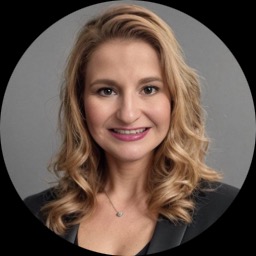
Indiana · 18 yrs exp
Licensed Clinical Social Worker - Stress and Anxiety
Stress, Anxiety · Grief · Self esteem · Depression · +5 more
Read profile
Indiana · 15 yrs exp
IN Psychologist - Trauma and Relationships
LGBT · Relationship · Family · Trauma and abuse · +1 more
Read profile
Indiana · 20 yrs exp
LMHC - Grief and Life Changes
Grief · Career · Coping with life changes · Coaching · +8 more
Read profile
Indiana · 14 yrs exp
LMFT focusing on relationships and mood
Stress, Anxiety · Relationship · Family · Parenting · +1 more
Read profile
Indiana · 14 yrs exp
Licensed Clinical Social Worker - Stress and Family concerns
Stress, Anxiety · Family · Grief · Depression · +1 more
Read profileIf you are seeking help for issues tied to cultural identity, migration or acculturation, it helps to name what feels most urgent. You might be navigating the clash between family expectations and your sense of self, coping with the long-term stress of discrimination, or trying to make peace with language loss or shifting traditions. Some people arrive wanting practical strategies for managing everyday stressors that stem from cross-cultural misunderstandings. Others want space to grieve what was left behind and to explore identity in a new social context. These are all valid pathways to bring into conversation with a clinician listed on this page.
When thinking about how therapy could help, consider whether your priority is understanding the impact of culture on relationships, learning coping tools for anxiety or depression related to migration, or working through intergenerational tensions in the family. You may also want help navigating experiences of bias, microaggressions or structural obstacles. Whatever your goals, naming them will make it easier to compare profiles and to pose focused questions that clarify whether a particular clinician’s experience and style align with what you need.
The directory groups profiles under a listed location to help you find professionals connected to Indiana. A listed location does not by itself establish physical proximity, an office address, or that a clinician holds permission to practice in every jurisdiction. Always open an individual profile to read the details and to confirm permission to work together in the place where you live or plan to receive services.
Profiles often show academic degrees and professional credentials. Academic credentials such as PhD, PsyD, MD, MA and MSW indicate the level and type of education a person completed, but a degree alone does not establish active permission to practice. In the United States, look for statements about state licensing if it is important that a clinician be licensed in your state. In the United Kingdom and Australia, professionals may note registration, membership or professional association affiliations that reflect regional practice frameworks. Because the directory includes professionals from multiple countries, compare the credential labels on profiles and ask the clinician directly about the current status of any license, registration or membership if that matters to you.
It is also important not to assume a clinician’s personal background from the fact they list multicultural concerns among their focus areas. A listing of multicultural concerns signals an interest or experience in working with cultural topics, but it is not evidence of shared ethnicity, faith, language or completed cultural-competence training. If shared background or lived experience is meaningful to you, ask about it on the profile or during an introductory conversation rather than assuming it from the listing.
When you review profiles, prepare specific questions that will reveal whether a clinician’s way of working fits your expectations. Ask how they typically discuss cultural identity in the first few sessions and what approaches they use when addressing acculturation stress. You can request examples of how they might support a person dealing with intergenerational conflict about values, or how they attend to discrimination-related distress and its effects on mood and relationships. If family expectations are part of your concern, ask how the clinician balances respect for cultural norms with the individual’s goals.
Because profiles may list therapeutic approaches as areas of practice, ask the clinician to describe what those approaches mean in their hands. A profile that lists a particular modality does not prove training or certification in it. Phrase questions to get a sense of real experience: how many clients they have worked with around migration-related grief, what kinds of outcomes or changes clients report, and how they adapt their language and pace for people who are processing in a second language. These concrete questions help you move beyond general descriptors to understand how a clinician implements their stated approaches.
If you are thinking about working with someone who practices across distances or offers online sessions, bring up practical and ethical topics before beginning. Confirm whether the clinician has current permission to provide services to someone located in the state where you plan to receive care. Ask what platform or communication methods are used and how sessions are scheduled. Discuss expectations for emergency situations and how the clinician suggests handling crises when you are in different places.
Also discuss language preferences and how interpretation or bilingual work is handled. If having sessions in a particular language is important, ask whether the clinician conducts therapy in that language themselves or uses an interpreter. Talk about how cultural identity will be integrated into goal setting and how family or community contexts will be addressed in therapy. These conversations can clarify boundaries, logistical arrangements and the clinician’s comfort level with the issues you prioritize, helping you choose a profile that fits both practically and personally.
When you compare profiles, look for specific signals that align with your priorities. Focus areas indicate the topics a clinician lists as commonly addressed; read the language they use to describe those areas. A profile that names migration, acculturation, intergenerational tension or discrimination stress gives you an initial sense of relevance, but the profile narrative and listed approaches reveal how the clinician frames those issues. Pay attention to examples or case descriptions when they are provided, and note whether the clinician explains how they adapt interventions for cultural context.
Languages listed on a profile matter not only for direct communication but also for cultural nuance. If bilingual therapy is important, check whether a clinician notes session language or cultural fluency. When considering credentials, distinguish academic degrees from regional practice permits. Look for explicit statements about state licensure in the United States or registration and professional memberships in the United Kingdom and Australia. Finally, read for therapeutic style - whether a clinician emphasizes collaborative exploration, practical skills, narrative work, or family-oriented approaches - and imagine how that style would feel in conversation. Comparing profiles with these concrete criteria in mind will help you narrow your choices and frame the questions to ask when you open an individual profile or reach out to a clinician for more information.
Use the listing grid above to open profiles and to start the conversations that matter to you. Check details on each profile and confirm permission to work together in your listed location before making any decisions. Thoughtful comparison and direct questions will help you find a clinician whose experience, language abilities and approach match the cultural and practical needs you bring to care.
Anger
937 therapists
Depression
1679 therapists
Domestic Violence
779 therapists
Grief
1202 therapists
Guilt and Shame
1446 therapists
Isolation / Loneliness
1396 therapists
Post-Traumatic Stress
1251 therapists
Self Esteem
1574 therapists
Social Anxiety and Phobia
1215 therapists
Stress & Anxiety
1880 therapists
Trauma and Abuse
1432 therapists
Adoption
507 therapists
Aging and Geriatric Issues
677 therapists
Attachment Issues
1134 therapists
Blended Family Issues
926 therapists
Career
899 therapists
Caregiver Issues and Stress
1100 therapists
Codependency
907 therapists
Communication Problems
1574 therapists
Coping with Life Changes
1449 therapists
Divorce
1100 therapists
Family
1202 therapists
Family of Origin Issues
965 therapists
Fatherhood Issues
576 therapists
Forgiveness
1336 therapists
Life Purpose
1526 therapists
Money and Financial Issues
638 therapists
Parenting
910 therapists
Relationship
1504 therapists
Workplace Issues
1225 therapists