
Ginger Price
LPCWyoming · 9 yrs exp
Licensed Professional Counselor - Multicultural concerns and relationships
Read profileTherapists who list culture, faith and migration among their work. An independent directory, not a crisis service.
Need help now?Therapist listings are provided by BetterHelp. We will earn a commission at no additional cost to you if you use our links to purchase.
This page groups profiles for clinicians listed with a Wyoming location who note cultural identity and multicultural concerns among their focus areas. Use the listings to compare focus areas, credentials, languages and stated approaches before contacting a clinician.
Browse profiles to learn more about each therapist's experience and to confirm whether they are able to work with you where you live.
Wyoming · 9 yrs exp
Licensed Professional Counselor - Multicultural concerns and relationships
Read profile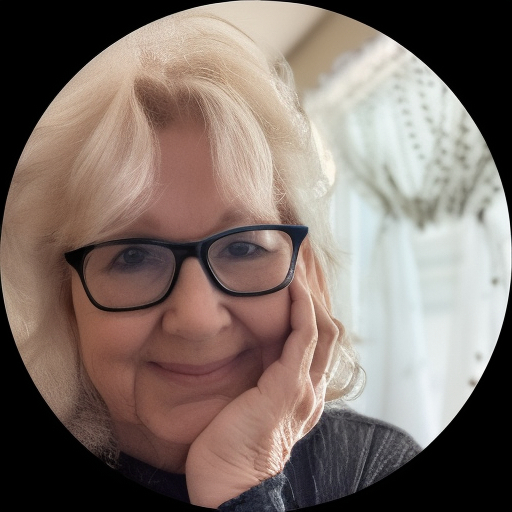
Wyoming · 35 yrs exp
Licensed LPC - stress and relationships
Stress, Anxiety · Relationship · Grief · Intimacy-related issues · +11 more
Read profile
Wyoming · 6 yrs exp
LCSW - Stress and LGBT concerns
Stress, Anxiety · LGBT · Relationship · Depression · +1 more
Read profile
Wyoming · 15 yrs exp
Licensed Professional Counselor - Multicultural concerns, trauma
Addictions · Relationship · Family · Trauma and abuse · +12 more
Read profileWhen you look for a professional to talk about cultural identity, migration or acculturation, you are often asking for more than clinical techniques - you want to be understood in the context of family expectations, community norms and social experiences. In Wyoming that context can include rural settings, Indigenous nations, long-standing family roots and newer migration patterns. You may be navigating intergenerational pressures about career, marriage or caregiving, or coping with discrimination stress that makes it hard to feel seen. Whatever your background, you can use the information on a profile to get a sense of whether a clinician lists experience with concerns like identity development, migration and acculturation, intergenerational family expectations and the impacts of bias and exclusion. Reading how a clinician describes their approach and the populations they mention can help you identify who frames cultural issues in ways that resonate with your experience.
Keep in mind that a listed focus area is a signal, not a guarantee of a shared background or of a particular outcome. Profiles are a starting point for deciding which clinicians you want to read in detail and then contact to discuss whether their way of working and perspective fit what you need.
The directory groups profiles under the listed location Wyoming, but that grouping does not in itself confirm an office address, a current license in that state, or that a clinician is physically present in Wyoming. Profiles may reflect clinicians who live in or near the state or who note Wyoming as a service area. It is important to read each profile carefully and to confirm directly whether a clinician has permission to work with you where you live.
Professional credentials you see on profiles are varied. Academic degrees such as PhD, PsyD, MD, MA or MSW indicate educational background and training level, but a degree alone does not establish current permission to practice. In the United States clinicians typically hold a state license, and whether they may work with you can depend on that license and the location where services are provided. In the United Kingdom and Australia clinicians may be registered with or members of professional organizations; registration or membership is not the same as a license in the United States, though it is a relevant credential to check. Profiles may list degrees, registrations, memberships or state licenses; use the profile text to learn how a clinician describes their qualifications and then ask them to confirm their current permission to work with clients in your area.
When you contact a clinician, having a set of concrete questions will help you compare how they describe their work. Ask how they understand and address cultural identity and acculturation in therapy and whether they have experience helping people navigate intergenerational family expectations. If migration or resettlement is part of your story, you can ask for examples of the kinds of issues they have worked with and whether they have experience addressing language barriers or working with interpreters. If experiences of discrimination or microaggressions are central to what you want to explore, you can ask how they support clients in coping with ongoing stress and in finding community resources.
It is useful to ask about approaches in neutral terms - for example, you might say: I see you list narrative therapy among your approaches - how do you typically use that approach with clients who are exploring cultural identity? Or: You list EMDR among your approaches - can you describe how you determine whether that is appropriate for someone processing culturally related trauma? Asking for concrete examples of how an approach has been adapted for cultural considerations will give you a clearer sense of practice than labels alone. You can also ask about how they involve family members when intergenerational expectations are part of the work, or how they support people who straddle multiple cultural communities.
If you are considering remote sessions, there are specific points it helps to cover before you begin. Ask whether the clinician is able to offer services to people in your state or country and how they determine where they are permitted to work. Clarify how they handle time zones and scheduling, and inquire about what technology they use and what privacy protections they describe on their profile or in a welcome message. Talk about language needs - if you prefer a clinician who speaks a particular language, ask whether they conduct sessions in that language or whether they work through an interpreter, and how interpretation is arranged.
You should also ask about emergency planning and local resources. Because a clinician may be located elsewhere, it is important to know how they would respond if you needed urgent help and which local services they refer to when additional support is necessary. Discuss cultural accommodations that matter to you, such as whether they incorporate cultural practices into sessions, work with extended family, or consult with cultural community supports. Finally, confirm directly that they have permission to provide services to someone in your location before scheduling ongoing sessions.
As you move between profiles, attend to both content and tone. Focus areas listed on a profile give you an idea of the clinician's stated interests - for example, cultural identity, migration and acculturation, or discrimination-related stress. Pay attention to whether a profile mentions working with families or specific age groups, and remember that a listed focus does not automatically mean a clinician accepts work with children, couples or families; you should ask each clinician about their scope of practice. Language skills are another important comparison point. If speaking in your preferred language matters, look for profiles that list that language and ask whether sessions are conducted in it or whether interpretation would be used.
Credentials help you understand training and affiliation, but interpret them carefully. A PhD or PsyD describes an advanced degree; an MSW or MA describes other graduate-level training. Licenses, registrations or memberships relate to legal permission to practice and to professional oversight, but those systems differ by country. When style matters to you, read how clinicians describe their approach and the pace of work - some profiles convey a more directive style while others describe a reflective or collaborative stance. Remember that approaches listed on profiles - for example, narrative therapy or mindfulness-based strategies - are options to discuss rather than guarantees of training or a perfect fit. Use the messaging or contact information on the profile to ask the specific questions that matter to you and to confirm whether a clinician can work with you where you live.
Choosing someone to talk with about cultural identity is a personal decision. Profiles in this Wyoming grouping are intended to help you compare focus areas, credentials, languages and stated approaches so you can reach out and ask the concrete questions that matter for your situation. Always check the individual profile details and confirm directly with the clinician that they have permission to work with you in your location before beginning ongoing sessions.
Anger
937 therapists
Depression
1679 therapists
Domestic Violence
779 therapists
Grief
1202 therapists
Guilt and Shame
1446 therapists
Isolation / Loneliness
1396 therapists
Post-Traumatic Stress
1251 therapists
Self Esteem
1574 therapists
Social Anxiety and Phobia
1215 therapists
Stress & Anxiety
1880 therapists
Trauma and Abuse
1432 therapists
Adoption
507 therapists
Aging and Geriatric Issues
677 therapists
Attachment Issues
1134 therapists
Blended Family Issues
926 therapists
Career
899 therapists
Caregiver Issues and Stress
1100 therapists
Codependency
907 therapists
Communication Problems
1574 therapists
Coping with Life Changes
1449 therapists
Divorce
1100 therapists
Family
1202 therapists
Family of Origin Issues
965 therapists
Fatherhood Issues
576 therapists
Forgiveness
1336 therapists
Life Purpose
1526 therapists
Money and Financial Issues
638 therapists
Parenting
910 therapists
Relationship
1504 therapists
Workplace Issues
1225 therapists