
Harjit Kundi
BACPUnited Kingdom · 3 yrs exp
BACP counsellor - stress and LGBTIAQ+ concerns
Stress, Anxiety · Addictions · LGBT · Trauma and abuse · +16 more
Read profileTherapists who list culture, faith and migration among their work. An independent directory, not a crisis service.
Need help now?Therapist listings are provided by BetterHelp. We will earn a commission at no additional cost to you if you use our links to purchase.
Compare profiles of therapists who list Parenting alongside multicultural concerns to identify professionals whose experience and approach align with your needs. Browse by listed location, languages, credentials, and therapeutic style to learn more and narrow your options.
United Kingdom · 3 yrs exp
BACP counsellor - stress and LGBTIAQ+ concerns
Stress, Anxiety · Addictions · LGBT · Trauma and abuse · +16 more
Read profile
California · 14 yrs exp
Licensed Clinical Social Worker - Trauma and Life Changes
Stress, Anxiety · Trauma and abuse · Grief · Self esteem · +8 more
Read profile
Kansas · 12 yrs exp
LSCSW - Family and Trauma care
Family · Trauma and abuse · Grief · Parenting · +1 more
Read profile
United Kingdom · 15 yrs exp
Counsellor - Multicultural concerns and relationships
Stress, Anxiety · Self esteem · Career · Coping with life changes · +15 more
Read profile
Massachusetts · 30 yrs exp
LMFT and LMHC - Multicultural and family concerns
Addictions · Family · Trauma and abuse · Grief · +16 more
Read profile
Texas · 14 yrs exp
Licensed Professional Counselor - Family and Life Changes
Family · Parenting · Self esteem · Career · +3 more
Read profile
United Kingdom · 19 yrs exp
BACP counsellor - trauma and anxiety
Stress, Anxiety · Trauma and abuse · Grief · Self esteem · +12 more
Read profile
United Kingdom · 8 yrs exp
BACP counsellor - anxiety and trauma
Stress, Anxiety · Trauma and abuse · Self esteem · Depression · +12 more
Read profile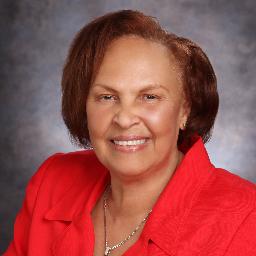
California · 20 yrs exp
LMFT in California - Multicultural and relationship concerns
Stress, Anxiety · Relationship · Family · Parenting · +10 more
Read profile
United Kingdom · 14 yrs exp
BACP counsellor - grief and parenting support
Grief · Parenting · Self esteem · Depression · +4 more
Read profile
Nebraska · 10 yrs exp
LIMHP - Relationships and Life Changes
Relationship · Parenting · Self esteem · Career · +1 more
Read profile
Alabama · 40 yrs exp
LMFT in Alabama - Multicultural and relationship concerns
Stress, Anxiety · Addictions · Grief · Parenting · +6 more
Read profile
United Kingdom · 8 yrs exp
Counsellor - anxiety and multicultural concerns
Stress, Anxiety · Grief · Self esteem · Depression · +10 more
Read profile
Alabama · 21 yrs exp
Licensed Professional Counselor - Multicultural concerns and anxiety
Self esteem · Stress, Anxiety · Addictions · Relationship · +4 more
Read profile
United Kingdom · 5 yrs exp
BACP counsellor - Anxiety and grief
Stress, Anxiety · Trauma and abuse · Grief · Depression · +2 more
Read profile
South Carolina · 10 yrs exp
Licensed Professional Counselor - Multicultural concerns and relationships
Stress, Anxiety · Relationship · Parenting · Career · +6 more
Read profile
Mississippi · 12 yrs exp
LCSW focusing on mood and multicultural concerns
Stress, Anxiety · Addictions · Anger · Self esteem · +12 more
Read profile
Florida · 15 yrs exp
Licensed Mental Health Counselor - Family and Parenting
Family · Parenting
Read profile
Nebraska · 25 yrs exp
LMHP - Stress and Trauma focus
Stress, Anxiety · Family · Trauma and abuse · Parenting · +12 more
Read profile
New York · 22 yrs exp
LCSW - Relationships and Life Stress
Stress, Anxiety · Relationship · Parenting · Bipolar · +14 more
Read profile
Alabama · 40 yrs exp
Dr. Allen Stata - LICSW, stress and trauma
Stress, Anxiety · Family · Trauma and abuse · Bipolar · +14 more
Read profile
Florida · 3 yrs exp
LMHC in Florida - Stress and Trauma focus
Stress, Anxiety · Trauma and abuse · Parenting · Self esteem · +1 more
Read profile
United Kingdom · 18 yrs exp
BACP counsellor - Multicultural and relationship concerns
Stress, Anxiety · LGBT · Family · Trauma and abuse · +16 more
Read profile
Alabama · 3 yrs exp
Licensed Professional Counselor - relationships and perinatal care
Stress, Anxiety · Relationship · Trauma and abuse · Parenting · +1 more
Read profileIf you are navigating parenting questions in the context of cultural identity, your concerns may reach beyond routine child-rearing advice. You might be thinking about how traditions and expectations from your family of origin interact with the norms where you live, or how migration and acculturation shape your family rhythms. These dynamics can affect how values are transmitted across generations, how discipline and independence are negotiated, and how you explain cultural practices to children who are growing up between different worlds.
Discrimination stress and the experience of feeling misunderstood can also affect parenting. You may worry about how children will be perceived by schools or peers, or you may face added emotional labor shielding children from bias. Intergenerational tensions are common when parents and grandparents hold differing expectations about education, religion, gender roles, or public behavior. When you look for a therapist on this page, you will find profiles that list Parenting paired with multicultural concerns so you can seek someone who is likely to be familiar with these layered topics. That listing does not mean the therapist shares your background, but it does indicate they note these themes as part of their work.
This specialty page groups professionals who identify Parenting as a specialty or additional focus area and who also indicate multicultural concerns among their interests. That pairing is useful because it highlights practitioners who acknowledge cultural identity, migration and acculturation, intergenerational expectations, and discrimination-related stress as relevant to parenting issues. It is important to understand that a listed focus area is descriptive of what a profile emphasizes, not proof of a particular certification or outcome.
When you explore profiles, you will see language that signals attention to culture - for example, notes about navigating bicultural identities, supporting immigrant families, or addressing family expectations across generations. These cues can help you choose candidates who speak to the topics you find most important. Keep in mind that the existence of a listed topic does not establish whether the practitioner treats children, couples, or families. If you want family or child-specific care, you should discuss scope and experience directly with the professional whose profile you are considering.
As you review profiles, think about concrete questions that reveal how a therapist works with parenting and culture. Ask how they typically support parents who face conflicts rooted in cultural expectations, and request examples of how they help families bridge generational differences. You can inquire about experience with migration and acculturation, and ask how they address stress related to discrimination or loss of community. Phrase questions so you hear about practical strategies rather than general statements.
When approaches are listed on a profile, treat those as starting points for conversation. For instance, you might ask about how therapists who list cognitive behavioral approaches adapt those ideas to family dynamics, or how therapists who list EMDR among their approaches incorporate work on trauma-related stressors for parents. Avoid assuming that a listed approach reflects training or certification - instead ask about how frequently they use certain approaches and how they tailor them to cultural concerns. Also ask about the populations they commonly work with, whether that includes parents, adolescents, or multi-generational families, and what kinds of outcomes they and clients typically focus on in sessions.
If you are considering remote sessions, there are practical and cultural matters worth addressing beforehand. Confirm how language needs will be handled, including whether the therapist offers services in a language you prefer or can work with an interpreter. Talk about how you will manage moments when cultural traditions or family roles become central to the conversation, and ask how the clinician supports discussions that may involve extended family members who are not present in sessions.
It is also sensible to clarify technical and safety arrangements. Ask what to do if a connection drops, how to share documents or homework between sessions, and how emergency situations are managed given your listed location. Explain any cultural or religious observances that affect scheduling, and ask whether the clinician has experience incorporating rituals or cultural practices into care when appropriate. If you will be joining sessions from home, plan to be in a quiet space that allows you to speak freely, and discuss boundaries around recording, message transparency, and how family members should participate or be kept out of sessions.
Comparing profiles effectively means looking beyond a single line of text. Start by noting whether Parenting is identified as a specialty or an additional focus area, and how the profile describes related multicultural themes - for instance, whether it references migration, bicultural identity, or intergenerational expectations. Read descriptions of therapeutic style to get a sense of whether the practitioner tends toward directive coaching, reflective inquiry, practical skills training, or systems-oriented family work.
Pay attention to languages listed on profiles, because communicating in a language you are comfortable with can shape trust and nuance in your conversations. When credentials are shown, distinguish degrees from professional permissions to practice. Degrees such as PhD, PsyD, MD, MA, and MSW indicate academic or clinical study, while licensure or registration indicates regulatory recognition in a jurisdiction. In the United States you will often see licensure titles that denote permission to practice; in the United Kingdom or Australia you may see registration with national boards or membership in professional associations. A degree alone does not establish current permission to practice, so ask about registration or licensure appropriate to the listed location if that matters to you.
Finally, consider stylistic fit. Some clinicians emphasize culturally adapted parenting strategies with clear behavioral steps, while others prioritize narrative work that explores identity and meaning across generations. Think about whether you want a practitioner who will work with school systems or community resources, or someone whose focus is therapeutic processing of family histories. Use profile details about focus areas, languages, and stated approaches as a guide, and prepare specific questions so you can assess whether a particular profile matches the practical and cultural priorities you brought to the search.
As you browse the profiles on this page, use the comparison points above to narrow your list and prepare clear questions for initial conversations. Discuss scope of practice directly with any professional you contact to confirm whether they address parenting in the way you need. Thoughtful comparison and open dialogue will help you find a professional whose experience, language skills, and approach resonate with your family’s cultural context.
Alabama
21 therapists
Alaska
5 therapists
Arizona
17 therapists
Arkansas
7 therapists
Australia
62 therapists
California
183 therapists
Colorado
37 therapists
Connecticut
13 therapists
Delaware
5 therapists
District of Columbia
7 therapists
Florida
189 therapists
Georgia
51 therapists
Hawaii
11 therapists
Idaho
9 therapists
Illinois
73 therapists
Indiana
17 therapists
Iowa
7 therapists
Kansas
9 therapists
Kentucky
19 therapists
Louisiana
44 therapists
Maine
2 therapists
Maryland
33 therapists
Massachusetts
22 therapists
Michigan
54 therapists
Minnesota
23 therapists
Mississippi
20 therapists
Missouri
31 therapists
Montana
7 therapists
Nebraska
7 therapists
Nevada
15 therapists
New Hampshire
4 therapists
New Jersey
45 therapists
New Mexico
10 therapists
New York
111 therapists
North Carolina
81 therapists
North Dakota
2 therapists
Ohio
29 therapists
Oklahoma
32 therapists
Oregon
14 therapists
Pennsylvania
60 therapists
Rhode Island
3 therapists
South Carolina
23 therapists
South Dakota
1 therapist
Tennessee
26 therapists
Texas
238 therapists
United Kingdom
296 therapists
Utah
11 therapists
Vermont
1 therapist
Virginia
38 therapists
Washington
21 therapists
West Virginia
1 therapist
Wisconsin
21 therapists
Wyoming
4 therapists