
Lynet Uttal
LCSWWisconsin · 9 yrs exp
Licensed Clinical Social Worker - relationships and life changes
Relationship · Family · Self esteem · Depression · +15 more
Read profileTherapists who list culture, faith and migration among their work. An independent directory, not a crisis service.
Need help now?Therapist listings are provided by BetterHelp. We will earn a commission at no additional cost to you if you use our links to purchase.
Browse profiles of therapists who list cultural identity and multicultural concerns among their focus areas in the listed location Wisconsin. You can compare focus areas, approaches, languages and academic credentials, and check the individual profile to confirm permission to work together where you live before contacting anyone.
Wisconsin · 9 yrs exp
Licensed Clinical Social Worker - relationships and life changes
Relationship · Family · Self esteem · Depression · +15 more
Read profile
Wisconsin · 3 yrs exp
Licensed Clinical Social Worker - Stress and Relationships
Stress, Anxiety · Relationship · Career · Depression · +1 more
Read profile
Wisconsin · 3 yrs exp
Licensed Professional Counselor - stress and relationships
Stress, Anxiety · Relationship · Family · Self esteem · +1 more
Read profile
Wisconsin · 16 yrs exp
Licensed Professional Counselor - Relationships and Family
Relationship · Family · Grief · Parenting · +7 more
Read profile
Wisconsin · 7 yrs exp
Licensed Professional Counselor - Multicultural concerns, trauma
Stress, Anxiety · Addictions · Trauma and abuse · Grief
Read profile
Wisconsin · 5 yrs exp
Licensed Professional Counselor - Stress and Trauma
Stress, Anxiety · Trauma and abuse · Grief · Self esteem · +1 more
Read profile
Wisconsin · 10 yrs exp
Licensed counselor - Multicultural and trauma concerns
Stress, Anxiety · Trauma and abuse · Grief · Anger · +11 more
Read profile
Wisconsin · 7 yrs exp
Licensed Professional Counselor - Multicultural concerns, relationships
Stress, Anxiety · Family · Trauma and abuse · Intimacy-related issues · +16 more
Read profile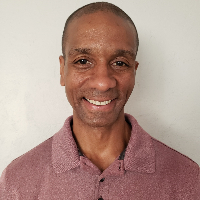
Wisconsin · 6 yrs exp
Licensed Professional Counselor - Multicultural concerns focus
Stress, Anxiety · LGBT · Family · Trauma and abuse · +13 more
Read profile
Wisconsin · 28 yrs exp
Licensed Professional Counselor - Multicultural concerns
Stress, Anxiety · Relationship · Self esteem · Depression · +15 more
Read profile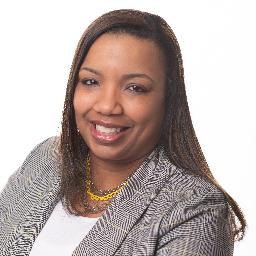
Wisconsin · 5 yrs exp
Licensed Professional Counselor - LGBT and Relationships
LGBT · Relationship · Intimacy-related issues · Parenting · +9 more
Read profile
Wisconsin · 30 yrs exp
Licensed Professional Counselor - Stress and Grief
Stress, Anxiety · Relationship · Family · Trauma and abuse · +9 more
Read profile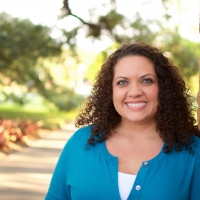
Wisconsin · 15 yrs exp
Licensed counselor - Multicultural concerns and trauma
Stress, Anxiety · Trauma and abuse · Self esteem · Coping with life changes · +4 more
Read profile
Wisconsin · 3 yrs exp
Licensed Clinical Social Worker - Stress and relationships
Stress, Anxiety · Relationship · Self esteem · Career · +1 more
Read profile
Wisconsin · 30 yrs exp
Licensed Professional Counselor - Stress and Addictions
Stress, Anxiety · Addictions · Self esteem · Depression · +8 more
Read profile
Wisconsin · 6 yrs exp
Licensed Clinical Social Worker - Stress and Trauma
Stress, Anxiety · Trauma and abuse · Self esteem · Depression · +1 more
Read profile
Wisconsin · 19 yrs exp
Licensed Professional Counselor - Multicultural concerns and relationships
Stress, Anxiety · LGBT · Grief · Intimacy-related issues · +9 more
Read profile
Wisconsin · 7 yrs exp
Licensed Professional Counselor - Stress and Relationships
Stress, Anxiety · Relationship · Career · Coping with life changes · +1 more
Read profile
Wisconsin · 3 yrs exp
Licensed Professional Counselor - Stress and Trauma
Stress, Anxiety · Relationship · Trauma and abuse · Intimacy-related issues · +1 more
Read profile
Wisconsin · 5 yrs exp
Licensed Marriage and Family Therapist - Multicultural concerns
Stress, Anxiety · Relationship · Family · Trauma and abuse · +5 more
Read profile
Wisconsin · 10 yrs exp
Licensed Professional Counselor - Stress and Anxiety
Stress, Anxiety · Eating · Self esteem · Career · +1 more
Read profileWhen you are searching for help around cultural identity, migration and acculturation, intergenerational or family expectations, or the stress of discrimination, you are often looking for a professional who will understand how those experiences shape daily life. You may be struggling with questions about belonging, shifts in family roles, language barriers, or the emotional cost of microaggressions and overt bias. You might be navigating the practical and emotional work of adapting to a new country, balancing multiple cultural obligations, or wanting to pass heritage on to the next generation while also meeting new social expectations. Describing these pressures clearly when you contact a therapist can help you assess whether their profile matches what you need in terms of focus and approach.
Keep in mind that a listed topic on a profile signals an interest or focus area but is not evidence of a shared background between you and the clinician or of specific certification. You should expect to talk with a clinician about how they understand migration stress, acculturation, and cultural identity, and whether they have experience addressing discrimination stress and the feeling of not being understood. If you have particular concerns - for example, navigating intergenerational expectations in a specific cultural or faith community - mention them early so you can see how the clinician responds and whether their language, examples, and priorities resonate with you.
The directory groups profiles under the listed location Wisconsin, but that is not proof of a physical office, proximity, or current authorization to practice there. Profiles may belong to professionals who work across jurisdictions or who provide online services with restrictions based on where they are allowed to practice. Always check the individual profile for geographic scope and confirm permission to work together where you live before pursuing care. In addition, credentials on profiles can include academic degrees such as PhD, PsyD, MD, MA, or MSW. Those degrees describe training and academic achievement, but a degree alone does not necessarily mean a person has current permission to practice in your state or country.
Professional permission to practice takes different forms depending on location. In the United States that permission is commonly granted through state licensure. In the United Kingdom and Australia clinicians may be registered with a regulatory body or be members of professional associations that set standards. Profiles may list both degrees and regulatory or membership information, so read descriptions carefully and verify details directly with the clinician if that matters for your decision-making. This step is especially important if you plan to start care across state or national borders, or if you require documentation for insurance or employer purposes.
When you reach out, you can ask concrete questions that reveal how a therapist thinks about cultural identity and multicultural work. Rather than asking if they are "culturally competent," which can be vague, ask about specific experience and examples. Ask whether they have worked with people who share the kinds of migration histories, language needs, or family structures that matter to you. Ask how they typically address intergenerational conflict, whether they have experience with cultural grief or loss, and how they respond when a client brings up experiences of discrimination or bias. You can ask therapists who list particular models whether and how they use those approaches in multicultural work - for example, therapists who list cognitive behavioral approaches among their tools may describe how they adapt those tools when identity and context are central to the problem.
Direct, concrete questions help you compare profiles. You might ask a clinician to describe a recent example - without identifying details - of how they supported a client dealing with acculturation stress. You can ask about language skills that are offered on the profile and whether the clinician conducts therapy in another language or uses interpreters. If family expectations are a core concern, ask how the clinician navigates cultural norms around family decision making and whether they include family members in sessions when appropriate. These conversations give you a clearer sense of whether the clinician's style and experience align with what you want.
If you are considering online sessions with a clinician listed under Wisconsin, it is important to discuss legal and practical boundaries before you begin. Ask whether the clinician has permission to provide care to people located where you live, and confirm the geographic limits of their practice. Discuss how they handle consent, recordkeeping, and any forms they require. Ask about the technology they use and what kinds of privacy safeguards they have in place for video or messaging, without assuming that all platforms are the same.
It is also useful to discuss logistics that affect your comfort and continuity. Ask whether they have preferences about session times that match childcare or work obligations, how they handle cancellations and emergencies, and how they coordinate care if you are seeing other professionals. If language is important, ask whether the clinician conducts sessions in your preferred language or how they handle interpretation. Finally, discuss expectations for the first few sessions - how they typically begin relationship building and how you will know whether their approach feels like a good fit for addressing cultural identity, migration-related stress, or family conflict.
When you compare profiles in Wisconsin, focus on the elements that will matter most to you. Read how therapists describe their focus areas and look for specifics about migration, acculturation, intergenerational dynamics, or discrimination stress. Pay attention to which languages are listed and whether the clinician states they provide therapy in another language or that they work with interpreters. Review the academic degrees listed and note any registration, licensure, or membership information that clarifies their permission to practice in certain places. Remember that a profile noting a therapeutic approach does not prove specialized training - for example, you may find therapists who list trauma-informed work, psychodynamic approaches, cognitive behavioral approaches, or EMDR among their approaches, and you can ask how those approaches are adapted to multicultural concerns.
Consider the tone and language of the profile as an indicator of style. Some clinicians emphasize narrative and identity work, while others describe goal-focused or skills-based support. Look for language that addresses systemic factors such as racism or immigration policy if those are central to your experience. Keep in mind that a listed topic does not establish that the therapist treats children, couples, or families - if that matters, ask directly. Ultimately, the profiles are a starting point to help you prioritize who to contact, and a brief conversation can help you decide whether a clinician's experience, style, language skills, and documented permissions align with your needs.
Using the listed location Wisconsin and the profile details, you can make informed comparisons and prepare specific questions for clinicians. Check each profile carefully, confirm permission to work together where you live, and discuss your needs and the therapist's actual scope directly so you can choose a match that respects your cultural context and personal priorities.
Anger
937 therapists
Depression
1679 therapists
Domestic Violence
779 therapists
Grief
1202 therapists
Guilt and Shame
1446 therapists
Isolation / Loneliness
1396 therapists
Post-Traumatic Stress
1251 therapists
Self Esteem
1574 therapists
Social Anxiety and Phobia
1215 therapists
Stress & Anxiety
1880 therapists
Trauma and Abuse
1432 therapists
Adoption
507 therapists
Aging and Geriatric Issues
677 therapists
Attachment Issues
1134 therapists
Blended Family Issues
926 therapists
Career
899 therapists
Caregiver Issues and Stress
1100 therapists
Codependency
907 therapists
Communication Problems
1574 therapists
Coping with Life Changes
1449 therapists
Divorce
1100 therapists
Family
1202 therapists
Family of Origin Issues
965 therapists
Fatherhood Issues
576 therapists
Forgiveness
1336 therapists
Life Purpose
1526 therapists
Money and Financial Issues
638 therapists
Parenting
910 therapists
Relationship
1504 therapists
Workplace Issues
1225 therapists