
Heidi Walter
LCSWMontana · 5 yrs exp
LCSW - Trauma, anxiety, and family concerns
Stress, Anxiety · Family · Trauma and abuse · Anger · +1 more
Read profileTherapists who list culture, faith and migration among their work. An independent directory, not a crisis service.
Need help now?Therapist listings are provided by BetterHelp. We will earn a commission at no additional cost to you if you use our links to purchase.
This page groups therapist profiles under the listed location Montana for people exploring cultural identity and multicultural concerns. Visitors can compare focus areas, academic degrees, professional registration, languages and therapeutic approaches, and should review individual profiles to confirm permission to work together where they live.
Montana · 5 yrs exp
LCSW - Trauma, anxiety, and family concerns
Stress, Anxiety · Family · Trauma and abuse · Anger · +1 more
Read profile
Montana · 13 yrs exp
LCSW - Trauma and mood concerns
Stress, Anxiety · LGBT · Trauma and abuse · Grief · +11 more
Read profile
Montana · 23 yrs exp
LCSW helping with stress and relationships
Stress, Anxiety · Relationship · Grief · Anger · +15 more
Read profile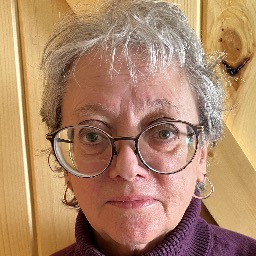
Montana · 27 yrs exp
Licensed Clinical Professional Counselor - Multicultural concerns and relationships
Stress, Anxiety · Relationship · Family · Self esteem · +11 more
Read profile
Montana · 9 yrs exp
LCPC - LGBT and trauma focused
LGBT · Trauma and abuse · Grief · Self esteem · +11 more
Read profile
Montana · 20 yrs exp
Licensed Marriage and Family Therapist - Stress and Trauma
Stress, Anxiety · Trauma and abuse · Grief · Career · +1 more
Read profile
Montana · 18 yrs exp
LCSW - Anxiety and trauma care
Stress, Anxiety · Trauma and abuse · Self esteem · Coping with life changes · +6 more
Read profileWhen you are searching for help with cultural identity or multicultural concerns, you are often seeking someone who will understand how culture, migration history and family expectations shape everyday life. That can include the experience of moving between countries or cultures, the process of acculturation as you adapt to a new environment, intergenerational tensions about values and responsibilities, and the emotional toll of discrimination or feeling unseen. These are not medical diagnoses; they are real, human experiences that influence mood, relationships and a sense of belonging. As you read profiles, look for language that describes work with migration, acculturation, intergenerational expectations, discrimination stress or cultural identity exploration so you can match what you need with what a therapist lists as focus areas. Keep in mind that a listed focus area signals interest or experience but does not prove a particular certification or guarantee a specific outcome.
It helps to clarify what you want from support. You might want to explore your cultural values and how they interact with your daily choices, address stress related to harassment or bias, repair relationships affected by generational differences, or make decisions about language, identity or belonging. Therapists take many different approaches to these concerns. Some profiles will mention narrative approaches that foreground story and context, some will list trauma-informed or somatic-focused work among their approaches, and some will note culturally adapted relational practices. When you see an approach listed, treat it as a starting point for conversation rather than an assurance of training or a promise of results.
Profiles under the Montana location group individuals who have indicated Montana as a listed location. That grouping does not, by itself, verify an office address, a license, or proximity. You should check each profile for details and confirm directly with the professional whether they have permission to work with clients in your area. This is especially important if you plan to work across state or national borders.
The directory includes professionals from the United States, the United Kingdom and Australia, so credentials are described in different terms. In the United States you will commonly see state licensing designations such as LCSW, LPC, LMFT or Licensed Psychologist. In the United Kingdom and Australia, profiles may reference registration or membership with relevant professional bodies rather than a state license. Academic degrees such as PhD, PsyD, MD, MA or MSW are statements of education and should not be read as evidence of current permission to practice by themselves. Likewise, a profile that lists an approach or focus does not prove certification in that approach. Always ask a therapist to explain their current professional standing and whether they are authorized to provide the care you need where you live.
It is useful to prepare specific questions that invite clear descriptions rather than general assurances. Ask a therapist to describe their experience working with people who share aspects of your background or who have faced similar migration or acculturation issues. You can ask: Can you describe your experience working with clients who have similar cultural, racial, religious or migration histories? How do you integrate cultural identity into your clinical approach? What do you do when clients feel dismissed or misunderstood because of cultural difference? These questions encourage the therapist to discuss examples and to explain how they adapt their practice.
When approaches are listed on a profile, follow up with questions about how those approaches might be used in your situation. For example, you might say: I see you list EMDR among your approaches - how might that be applied when the concern is discrimination-related stress or intergenerational conflict? Or: How do you adapt narrative or relational work for someone navigating multiple cultural identities? These phrasing choices avoid assuming a therapist's background and focus attention on method and fit. Also ask whether they regularly work with the age group or relationship configuration you need, since a listed topic does not establish that a therapist treats children, couples or families.
If you are considering remote work with a professional whose listed location is Montana, or if you will connect from another state or country, discuss practical and ethical considerations up front. Ask whether the therapist is authorized to offer care to people in your jurisdiction. Confirm what their privacy practices are for virtual sessions and what technical safeguards they use. Arrange a plan for emergencies that includes local resources in your area, since the therapist may not be able to provide emergency services where you live. You should also talk about language needs and whether an interpreter would be involved, and agree on how family members may be included if that is part of your care.
Prepare to describe the context you bring - migration timeline, language use at home, family expectations, experiences of discrimination - and invite the therapist to explain how they would approach those topics. If you need to coordinate across time zones or have work and caregiving commitments, discuss scheduling boundaries and communication preferences. These practical conversations help you judge how the professional engages with cross-jurisdiction complexities and whether they can meet the legal and ethical requirements relevant to your location.
When you review multiple profiles, compare them on distinct dimensions rather than by impression alone. Look first at focus areas and how specifically they are described. A profile that names migration, acculturation, intergenerational expectations or discrimination stress gives you a clearer starting point for conversation than a profile that uses only general phrases. Next, consider language. If speaking in your preferred language is important, search for profiles that list that language and ask follow-up questions about fluency, dialect and whether interpretation support is used.
Credentials and professional status are another axis for comparison. Note academic degrees separately from licensing or registration statements, and ask for current verification of permission to practice in your jurisdiction. Also consider interpersonal style as presented in profile language - whether the therapist emphasizes collaborative problem exploration, direct skill-building, culturally informed narrative work, or other orientations. You can narrow differences by asking for brief descriptions of what a first few meetings might focus on and how the therapist approaches cultural identity work in practice. Finally, pay attention to logistical details the profiles include and what they omit, and use initial conversations to fill gaps. That way you can make a clearer judgement about match based on concrete information rather than assumption.
Across these areas, remember that a listed topic or approach signals interest or experience but does not equal certification, licensing in every jurisdiction, or guarantee of specific outcomes. Use the directory to find profiles that fit your priorities, then reach out with targeted questions about experience, permissions and practice style. Confirm permission to work together where you live and discuss the practicalities you care about before making any commitments. Thoughtful comparison and direct conversation will help you identify someone who aligns with your needs around cultural identity and multicultural concerns in Montana.
Anger
937 therapists
Depression
1679 therapists
Domestic Violence
779 therapists
Grief
1202 therapists
Guilt and Shame
1446 therapists
Isolation / Loneliness
1396 therapists
Post-Traumatic Stress
1251 therapists
Self Esteem
1574 therapists
Social Anxiety and Phobia
1215 therapists
Stress & Anxiety
1880 therapists
Trauma and Abuse
1432 therapists
Adoption
507 therapists
Aging and Geriatric Issues
677 therapists
Attachment Issues
1134 therapists
Blended Family Issues
926 therapists
Career
899 therapists
Caregiver Issues and Stress
1100 therapists
Codependency
907 therapists
Communication Problems
1574 therapists
Coping with Life Changes
1449 therapists
Divorce
1100 therapists
Family
1202 therapists
Family of Origin Issues
965 therapists
Fatherhood Issues
576 therapists
Forgiveness
1336 therapists
Life Purpose
1526 therapists
Money and Financial Issues
638 therapists
Parenting
910 therapists
Relationship
1504 therapists
Workplace Issues
1225 therapists