
Dr. Steven Hurley
IL PsychologistIllinois · 19 yrs exp
Dr. Steven Hurley - Psychologist focused on anxiety and relationships
Stress, Anxiety · LGBT · Relationship · Trauma and abuse · +9 more
Read profileTherapists who list culture, faith and migration among their work. An independent directory, not a crisis service.
Need help now?Therapist listings are provided by BetterHelp. We will earn a commission at no additional cost to you if you use our links to purchase.
This page groups profiles under the listed location of Illinois so visitors can compare focus areas, therapeutic approaches, languages, and academic credentials. Review each profile for details and confirm that the clinician has permission to work with you where you live before making contact.
Illinois · 19 yrs exp
Dr. Steven Hurley - Psychologist focused on anxiety and relationships
Stress, Anxiety · LGBT · Relationship · Trauma and abuse · +9 more
Read profile
Illinois · 5 yrs exp
LCSW - Stress and trauma focused
Stress, Anxiety · Trauma and abuse · Grief · Self esteem · +1 more
Read profile
Illinois · 11 yrs exp
LCSW - Stress and trauma support
Stress, Anxiety · Trauma and abuse · Grief · Self esteem · +4 more
Read profile
Illinois · 10 yrs exp
Licensed counselor - Multicultural and relationship concerns
Stress, Anxiety · LGBT · Relationship · Trauma and abuse · +10 more
Read profile
Illinois · 19 yrs exp
Illinois Psychologist - Stress and Relationships
Stress, Anxiety · Relationship · Intimacy-related issues · Parenting · +1 more
Read profile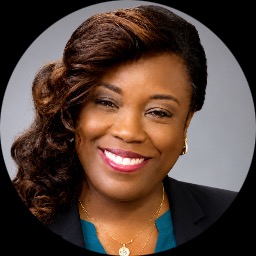
Illinois · 22 yrs exp
Illinois LCPC - relationships and stress
Stress, Anxiety · Relationship · Family · Intimacy-related issues · +11 more
Read profile
Illinois · 12 yrs exp
LCPC - Family and Trauma focus
Family · Trauma and abuse · Self esteem · Career · +1 more
Read profile
Illinois · 38 yrs exp
Licensed Clinical Professional Counselor - Multicultural concerns
Stress, Anxiety · Self esteem · Depression · Coping with life changes · +9 more
Read profile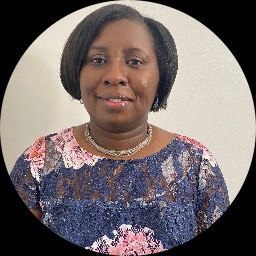
Illinois · 12 yrs exp
LCSW specializing in relationships and life change
Relationship · Grief · Parenting · Self esteem · +1 more
Read profile
Illinois · 17 yrs exp
Licensed Clinical Professional Counselor - trauma and addictions
Stress, Anxiety · Addictions · Relationship · Family · +1 more
Read profile
Illinois · 9 yrs exp
Licensed counselor - multicultural concerns
Stress, Anxiety · Relationship · Trauma and abuse · Self esteem · +1 more
Read profile
Illinois · 6 yrs exp
LCSW - Stress and trauma focused
Stress, Anxiety · Family · Trauma and abuse · Self esteem · +1 more
Read profile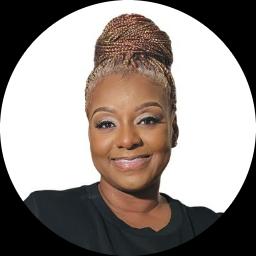
Illinois · 11 yrs exp
Licensed Clinical Social Worker - Relationships and Family
Relationship · Family · Career · Coping with life changes · +1 more
Read profile
Illinois · 3 yrs exp
Illinois LCPC - Stress and LGBT concerns
Stress, Anxiety · LGBT · Self esteem · Bipolar · +1 more
Read profile
Illinois · 10 yrs exp
Illinois LCPC - relationships and trauma
Relationship · Family · Trauma and abuse · Parenting · +14 more
Read profile
Illinois · 3 yrs exp
LCPC - Stress and Multicultural concerns
Stress, Anxiety · Relationship · Trauma and abuse · Self esteem · +1 more
Read profile
Illinois · 10 yrs exp
Illinois LCPC - Multicultural and relationship concerns
Stress, Anxiety · Intimacy-related issues · Anger · Depression · +11 more
Read profile
Illinois · 25 yrs exp
LCSW - LGBT and relationship concerns
LGBT · Relationship · Trauma and abuse · Intimacy-related issues
Read profile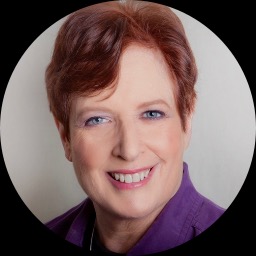
Illinois · 41 yrs exp
Dr. Kiya Immergluck - LCPC, anxiety and addiction issues
Stress, Anxiety · Addictions · LGBT · Relationship · +14 more
Read profile
Illinois · 12 yrs exp
LCSW - stress and LGBTQ+ concerns
Stress, Anxiety · LGBT · Relationship · Self esteem · +1 more
Read profile
Illinois · 10 yrs exp
LCSW - Stress and Multicultural concerns
Stress, Anxiety · Parenting · Self esteem · Career · +3 more
Read profile
Illinois · 25 yrs exp
LCSW - Stress and Multicultural concerns
Stress, Anxiety · Relationship · Grief · Anger · +1 more
Read profile
Illinois · 25 yrs exp
LCPC in Illinois - Stress and anxiety support
Stress, Anxiety · Self esteem · Career · Depression · +6 more
Read profile
Illinois · 10 yrs exp
LCPC in Illinois - Identity and life transitions
LGBT · Self esteem · Career · Coping with life changes · +5 more
Read profileWhen you are searching for a therapist who understands cultural identity, migration, or acculturation, it helps to begin with the specific concerns you want to address. Many people seek help for the stress of migration and adapting to a new culture, for intergenerational tensions where family expectations and identities differ across generations, or for the emotional impact of discrimination and not feeling understood. In Illinois, profiles may note these focus areas among additional concerns, which signals that clinicians have at least considered these topics in their practice descriptions. That is not the same as a certification or an exhaustive résumé of experience, but it can be a useful starting point as you compare profiles and identify candidates to contact.
Pay attention to how a clinician describes cultural identity in their biography and whether they name particular communities, languages, or population groups they have worked with. Look for language that reflects nuance - for example, practitioners who discuss the interplay of family expectations, cultural values, and mental health are often thinking about the dynamics you may want to explore. At the same time, do not assume that a listed focus proves shared background or guarantees a match. Use the profile to guide questions and to prioritize what matters most to you in a therapeutic relationship.
The location shown on a profile groups clinicians by a listed location such as Illinois, but it does not automatically confirm a physical office in that jurisdiction or ongoing permission to practice there. You should check each profile for contact details and licensing information and confirm directly with the clinician that they are authorized to work with you where you live. For professionals from different countries you may see terms such as registration or membership used in the United Kingdom and Australia, while in the United States you will often see references to state licensure. Academic degrees like PhD, PsyD, MD, MA, and MSW tell you about education and training, but a degree alone does not indicate current legal permission to provide services.
When reading a profile, separate degree titles from regulatory status. A profile that lists a PhD or MSW may also state a license or a registration, but where that language is absent you should ask about current standing and location-based permission to practice. If a clinician lists multicultural concerns among their focus areas, remember that this describes an area of interest or clinical focus rather than a regulator-issued credential. Confirming licensure, registration, or membership and asking about the jurisdictions in which they are permitted to work will help you understand whether a clinician is an appropriate match for your situation.
It is useful to come prepared with clear questions that let you compare how therapists describe their approach. Ask how they typically work with issues related to migration and acculturation, and request examples of the kinds of concerns they have assisted with that resemble your situation. You might ask whether they have experience addressing intergenerational family expectations and how they balance cultural values with individual goals. If discrimination or microaggressions have been part of your experience, ask how they make space to discuss those incidents and their emotional effects.
Ask clinicians to explain the approaches they list on their profile in plain language, and to say what those approaches look like in a session. If a profile mentions specific modalities, request clarification about how those options might be used with your concerns, rather than assuming that any particular method is guaranteed. Concrete phrasing can help - for example, ask "Can you describe your experience working with people from my cultural background or migration history?" or "How do you help clients navigate family expectations across generations?" These questions invite concrete examples and help you assess whether the clinician’s style and experience align with your priorities.
If you are considering online care with a clinician listed for Illinois but living elsewhere, it is important to discuss permission to work across state or national lines before you begin. Regulations differ by country and by state, and clinicians may be authorized to work only in certain jurisdictions. Ask directly where they are authorized to offer services and whether that authorization applies to the place where you live. This protects both you and the clinician and clarifies what kinds of follow-up or emergency planning are appropriate.
Before initiating remote sessions, talk about practical and cultural considerations. Discuss how language will be handled if you prefer to use a language other than English, and whether interpretation or bilingual sessions are offered. Ask about boundaries around family involvement if intergenerational dynamics are central to your concerns, and request an outline of how therapists handle safety planning and referrals if additional supports are needed. Clear conversation about these topics can help you decide whether to pursue a consultation or to keep looking for a different match.
Comparing profiles is about more than scanning labels - it is about pinpointing the features that matter to you. Read biographies for concrete descriptions of experience with migration, acculturation, discrimination, and family expectations. Notice whether a clinician lists specific populations or communities they have worked with and whether they mention language skills. Language concordance can be a meaningful point of connection, but do not assume language listing equals shared cultural background. Use the profile to generate precise questions such as "Have you worked with first-generation immigrants from Region X?" or "Can you describe a typical way you support families with differing cultural expectations?"
Compare degrees and professional status carefully. A PhD, PsyD, MD, MA, or MSW indicates substantial academic training, while licensing, registration, or membership statements indicate regulatory or professional standing that you should confirm. For clinicians from the United Kingdom or Australia, look for registration or membership terminology and ask what that means in terms of permission to practice. Finally, consider style and interpersonal fit: some clinicians emphasize strengths-based cultural exploration, others foreground systemic factors like discrimination or policy impacts, and others highlight skills-based approaches to coping. Ask for the kind of descriptions that let you imagine what a session would feel like and whether that feeling aligns with the support you want.
Choosing a therapist is a personal decision and comparing profiles carefully can save time and clarify expectations. Use the profiles to gather information, prepare direct questions, and confirm that a clinician has permission to work with you where you live. By focusing on the specific cultural dynamics that matter to you - migration and acculturation, family roles and generational differences, or the effects of discrimination and the desire to be understood - you can narrow choices and begin a conversation that addresses your needs with clarity and respect.
Anger
937 therapists
Depression
1679 therapists
Domestic Violence
779 therapists
Grief
1202 therapists
Guilt and Shame
1446 therapists
Isolation / Loneliness
1396 therapists
Post-Traumatic Stress
1251 therapists
Self Esteem
1574 therapists
Social Anxiety and Phobia
1215 therapists
Stress & Anxiety
1880 therapists
Trauma and Abuse
1432 therapists
Adoption
507 therapists
Aging and Geriatric Issues
677 therapists
Attachment Issues
1134 therapists
Blended Family Issues
926 therapists
Career
899 therapists
Caregiver Issues and Stress
1100 therapists
Codependency
907 therapists
Communication Problems
1574 therapists
Coping with Life Changes
1449 therapists
Divorce
1100 therapists
Family
1202 therapists
Family of Origin Issues
965 therapists
Fatherhood Issues
576 therapists
Forgiveness
1336 therapists
Life Purpose
1526 therapists
Money and Financial Issues
638 therapists
Parenting
910 therapists
Relationship
1504 therapists
Workplace Issues
1225 therapists