
Monica Burgos
LICSWDistrict of Columbia · 24 yrs exp
LICSW - Relationships and Trauma
Relationship · Trauma and abuse · Intimacy-related issues · Self esteem · +4 more
Read profileTherapists who list culture, faith and migration among their work. An independent directory, not a crisis service.
Need help now?Therapist listings are provided by BetterHelp. We will earn a commission at no additional cost to you if you use our links to purchase.
This directory page gathers profiles by the listed location District of Columbia where clinicians note cultural identity or multicultural concerns among their focus areas. Compare focus areas, languages, academic degrees and professional credentials, and browse profiles to learn more.
District of Columbia · 24 yrs exp
LICSW - Relationships and Trauma
Relationship · Trauma and abuse · Intimacy-related issues · Self esteem · +4 more
Read profile
District of Columbia · 35 yrs exp
LICSW - Stress and Multicultural concerns
Stress, Anxiety · Grief · Self esteem · Depression · +3 more
Read profile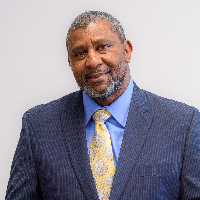
District of Columbia · 25 yrs exp
Licensed Professional Counselor - trauma and multicultural concerns
Stress, Anxiety · Addictions · Family · Trauma and abuse · +13 more
Read profile
District of Columbia · 20 yrs exp
LICSW - Stress and relationship concerns
Stress, Anxiety · Relationship · Family · Self esteem · +1 more
Read profile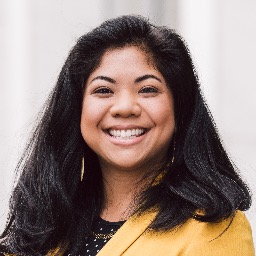
District of Columbia · 4 yrs exp
LICSW - Grief and Multicultural concerns
Grief · Stress, Anxiety · Relationship · Family · +8 more
Read profile
District of Columbia · 9 yrs exp
Licensed Professional Counselor - Stress and Anxiety
Stress, Anxiety · Relationship · Self esteem · Depression · +1 more
Read profile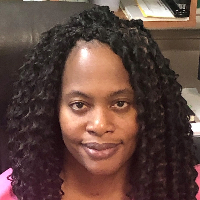
District of Columbia · 22 yrs exp
Licensed Professional Counselor - Relationships and Life Changes
Relationship · Family · Parenting · Anger · +5 more
Read profileWhen you search for help around cultural identity, migration, or acculturation, you are often trying to find someone who understands the specific social and emotional questions that come with belonging to more than one cultural world. You might be processing the practical shifts of moving between countries, the emotional work of adapting to new social norms, or the ongoing negotiations that happen in families when generations hold different values. Discrimination, microaggressions, and feeling unseen or misunderstood can be a heavy part of day-to-day life. It is normal to want a clinician who listens for those experiences and who will take time to learn how your identity, history, and current context shape what you want from therapy.
Profiles in this directory may note a range of related concerns - intergenerational expectations, migration and acculturation stress, identity exploration across race, ethnicity, religion, gender, and sexuality, or the mental health impacts of discrimination. Those listings indicate areas clinicians identify as part of their work, but they do not guarantee a shared background or specific training. Use the profile information to find clinicians who mention topics that match your priorities, then prepare a few direct questions to clarify fit before you begin.
The directory groups profiles under the listed location District of Columbia. That grouping does not by itself confirm an office address, physical proximity, or legal permission to practice in a particular jurisdiction. You should check each individual profile for details and confirm with the clinician whether they have permission to work with you where you live. This is especially important for cross-border or remote sessions because rules about where a clinician may practice differ by country and state.
Academic degrees and professional credentials are different things. A degree such as PhD, PsyD, MD, MA, or MSW describes formal education. Licenses, registration, or professional membership describe whether a clinician is authorized to provide care under a regulatory framework. In the United States that authorization is usually a state license. In the United Kingdom and Australia clinicians may list registration with a national regulator or membership in a professional association. A degree alone does not establish current permission to practice. Profiles may list both degree and the type of registration or license - use that information to ask specific questions about jurisdiction and the clinician's scope of practice.
When you review profiles, prepare concise questions that will give you a clearer sense of how a clinician works. You can ask whether they have experience addressing the specific cultural questions you are facing, for example how they have supported clients navigating acculturation or intergenerational conflict. If a profile lists particular approaches, you can ask about how those approaches are applied in culturally informed ways - for example you might say "I see you list narrative approaches and mindfulness among your approaches - how do you adapt these to clients with recent migration experiences?"
It is appropriate to ask about the kinds of clients a clinician typically works with and whether they have experience with issues like discrimination-related stress. You can also ask practical questions about how they work with interpreters or multilingual families, and whether they have experience using culturally specific frameworks. If a profile lists a specific modality among approaches, phrase your question as an inquiry - "I noticed you list EMDR among your approaches - how do you decide when to use that approach and how do you integrate cultural factors into that work?" That phrasing acknowledges the profile detail without assuming special qualification and invites a clear explanation.
If you are considering sessions that are not in person, there are a number of practical and professional topics to cover. Confirm whether the clinician has permission to provide services to people who live in your state or country. Ask how they handle emergencies or urgent needs for people who are not in the same jurisdiction. Discuss the technology platforms they use and what to do if connectivity fails, and make sure you can be in a quiet space for sessions when needed. You should ask about records and documentation practices, as well as how notes are stored and who has access to them.
Culture can shape how you prefer to communicate and the kinds of support you find most helpful. Talk about language preferences, interpreter availability, and whether the clinician is comfortable working through cultural material that may involve family, faith, or community norms. Clarifying these topics up front helps set expectations and establishes a shared plan for how to manage cross-cultural differences in an online setting. Remember that the profile is a starting point for these conversations rather than a full description of practice logistics.
Comparing profiles is easier when you look at the same categories across multiple clinicians. Start with focus areas - does the profile explicitly mention multicultural concerns, cultural identity, migration, or intergenerational family expectations? Next review language offerings - which languages are listed, and does the clinician indicate preferred languages for clinical work or the use of interpreters? Language listings give a practical sense of whether you can speak in your preferred language, but they do not guarantee cultural affinity, so use that as one factor among several.
Examine degrees separately from professional authorization. A profile that lists a PhD or MSW tells you about training, and a profile that lists a state license or national registration indicates the clinician has met criteria within a regulatory system. For clinicians from different countries, the terminology used for authorization may vary - look for language such as state license in the US or registration or membership in the UK and Australia, and follow up if the distinction matters to you. Finally, pay attention to how clinicians describe their style - some emphasize direct problem-solving, others emphasize reflective exploration, and some note a relational or culturally responsive orientation. Consider sample questions you might use to compare style, such as asking how a clinician frames goals, how they involve family or community, and how they measure progress in culturally meaningful ways. Comparing these elements will help you identify profiles to contact and help you frame the initial conversation to confirm whether a clinician is a good fit for your needs.
Across all stages of searching and contacting clinicians, keep in mind that listed topics and approaches are indicators to guide your selection, not guarantees of shared background or specialized certification. Always use the profile as a starting point and confirm details directly with the clinician, including whether they have permission to work with you where you live and whether their scope of practice matches your needs.
Anger
937 therapists
Depression
1679 therapists
Domestic Violence
779 therapists
Grief
1202 therapists
Guilt and Shame
1446 therapists
Isolation / Loneliness
1396 therapists
Post-Traumatic Stress
1251 therapists
Self Esteem
1574 therapists
Social Anxiety and Phobia
1215 therapists
Stress & Anxiety
1880 therapists
Trauma and Abuse
1432 therapists
Adoption
507 therapists
Aging and Geriatric Issues
677 therapists
Attachment Issues
1134 therapists
Blended Family Issues
926 therapists
Career
899 therapists
Caregiver Issues and Stress
1100 therapists
Codependency
907 therapists
Communication Problems
1574 therapists
Coping with Life Changes
1449 therapists
Divorce
1100 therapists
Family
1202 therapists
Family of Origin Issues
965 therapists
Fatherhood Issues
576 therapists
Forgiveness
1336 therapists
Life Purpose
1526 therapists
Money and Financial Issues
638 therapists
Parenting
910 therapists
Relationship
1504 therapists
Workplace Issues
1225 therapists