
Thomas Stewart
LMFT, LMHCMassachusetts · 30 yrs exp
LMFT and LMHC - Multicultural and family concerns
Addictions · Family · Trauma and abuse · Grief · +16 more
Read profileTherapists who list culture, faith and migration among their work. An independent directory, not a crisis service.
Need help now?Therapist listings are provided by BetterHelp. We will earn a commission at no additional cost to you if you use our links to purchase.
This page groups profiles for practitioners associated with the listed location Massachusetts who identify cultural identity or multicultural concerns among their focus areas. You can compare profiles by focus areas, languages, academic credentials, therapeutic approaches, and practice style.
Browse the profiles to learn about each practitioner and confirm directly with a clinician whether they have permission to work with you where you live.
Massachusetts · 30 yrs exp
LMFT and LMHC - Multicultural and family concerns
Addictions · Family · Trauma and abuse · Grief · +16 more
Read profile
Massachusetts · 40 yrs exp
LICSW - Anxiety and Relationship Concerns
Stress, Anxiety · Addictions · LGBT · Relationship · +15 more
Read profile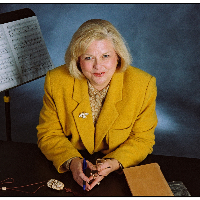
Massachusetts · 15 yrs exp
Licensed Mental Health Counselor - Multicultural concerns
Stress, Anxiety · Grief · Depression · Coping with life changes · +12 more
Read profile
Massachusetts · 22 yrs exp
LMHC - Stress and Addiction support
Stress, Anxiety · Addictions · Relationship · Family · +1 more
Read profile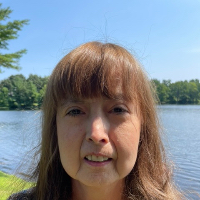
Massachusetts · 39 yrs exp
LMHC - Trauma and mood disorders
Stress, Anxiety · Trauma and abuse · Grief · Bipolar · +4 more
Read profile
Massachusetts · 4 yrs exp
LICSW - Stress and Family concerns
Stress, Anxiety · Family · Parenting · Depression · +1 more
Read profile
Massachusetts · 30 yrs exp
MA Psychologist - Stress and Anxiety
Stress, Anxiety · Coping with life changes
Read profile
Massachusetts · 13 yrs exp
LICSW in Massachusetts - Multicultural concerns and mood issues
Stress, Anxiety · Self esteem · Depression · Coping with life changes · +14 more
Read profile
Massachusetts · 40 yrs exp
LICSW focused on stress and relationships
Stress, Anxiety · Family · Grief · Parenting · +16 more
Read profile
Massachusetts · 40 yrs exp
LMHC - Narrative therapy and addictions support
Stress, Anxiety · Addictions · Trauma and abuse · Self esteem · +8 more
Read profile
Massachusetts · 10 yrs exp
Licensed Mental Health Counselor - Multicultural concerns
Stress, Anxiety · LGBT · Relationship · Trauma and abuse · +10 more
Read profile
Massachusetts · 17 yrs exp
LICSW - Stress and Relationship support
Stress, Anxiety · Relationship · Grief · Self esteem · +12 more
Read profile
Massachusetts · 25 yrs exp
LICSW - Addiction and Multicultural concerns
Stress, Anxiety · Addictions · Family · Depression · +8 more
Read profile
Massachusetts · 13 yrs exp
LICSW - Addictions and Relationships
Addictions · Intimacy-related issues · Self esteem · Depression · +12 more
Read profile
Massachusetts · 20 yrs exp
LICSW - Stress and mood concerns
Stress, Anxiety · Family · Bipolar · Depression · +15 more
Read profile
Massachusetts · 17 yrs exp
LMHC in Massachusetts - Addictions and Relationship work
Addictions · Relationship · Trauma and abuse · Grief · +1 more
Read profile
Massachusetts · 18 yrs exp
LICSW - Relationships and Multicultural Concerns
LGBT · Relationship · Grief · Parenting · +7 more
Read profile
Massachusetts · 12 yrs exp
LMHC - stress and multicultural concerns
Stress, Anxiety · Anger · Self esteem · Depression · +3 more
Read profile
Massachusetts · 42 yrs exp
LMHC in Massachusetts - multicultural and trauma concerns
Stress, Anxiety · Trauma and abuse · Self esteem · Career · +10 more
Read profile
Massachusetts · 10 yrs exp
LICSW - Trauma and multicultural concerns
Trauma and abuse · Grief · Self esteem · Coping with life changes · +15 more
Read profile
Massachusetts · 25 yrs exp
LMHC - Stress and LGBT concerns
Stress, Anxiety · LGBT · Self esteem · Career · +1 more
Read profile
Massachusetts · 20 yrs exp
Licensed Mental Health Counselor - Stress and Trauma
Stress, Anxiety · Self esteem · Depression · Coping with life changes · +1 more
Read profileWhen you search for help around cultural identity, migration, or acculturation, you are often looking for someone who will notice context as part of your story. Experiences such as adjusting to a new country, juggling family expectations across generations, or feeling the ongoing impact of discrimination can shape how you think about stress, relationships, and identity. You may also be looking for someone who will hear what feeling understood really means to you - whether that is language, shared cultural reference points, or awareness of identity-based stressors. Profiles on this site note focus areas such as migration and acculturation, intergenerational and family expectations, and discrimination-related stress. Those phrases indicate topics the practitioner lists, not a guarantee of a specific background or training. As you review profiles, you can pay attention to whether a practitioner names specific populations, life stages, or concerns that match your situation, and think about how important shared cultural experience is to the therapeutic match you want.
Profiles will show a listed location because that is how practitioners identify the region they work with. A listed location does not by itself mean an office address, physical proximity, or current authorization to practice in that jurisdiction. You should review the individual profile for details and ask the practitioner to confirm permission to work together where you live. Professional degrees such as PhD, PsyD, MD, MA, or MSW tell you about academic training, but a degree alone does not establish current permission to practice. In the United States, look for the state-issued license title that applies to clinical work in your state, while in the United Kingdom and Australia you may see references to registration with a national body or membership in professional associations. Those terms describe different regulatory systems across countries, so expect variation in how credentials are labeled. When a profile lists a degree or membership, treat that as information to discuss further with the practitioner rather than as definitive proof of current authorization in your area.
You will get more useful answers if you ask concrete questions that focus on how a practitioner works, rather than on labels alone. Consider asking whether they have addressed migration or acculturation issues with people who faced similar language or cultural transitions, and how they adapt their approach when family expectations or intergenerational tensions are part of the presenting concern. If discrimination-related stress or microaggressions are part of your experience, ask how they listen for and respond to identity-based stress, and what they do to help you feel understood. Therapists often list approaches on their profiles - for example, therapists who list EMDR among their approaches, or those who list cognitive-behavioral, psychodynamic, narrative, or somatic-informed work - and you can ask what that actually looks like in sessions and how they tailor methods to cultural context. Ask how they measure whether an approach is working for you and how they adjust if it is not. These questions help you evaluate the practical fit between a therapist's stated approach and the way you want to work together.
If you are considering remote sessions, there are jurisdictional and practical details to discuss before beginning. Ask whether the practitioner is able to provide services to people living in your state or country and request clarification about any limits on where they can legally offer care. Confirm what communication methods they use for appointments and whether they have a plan for urgent situations in your area, since emergency response systems differ by location. Talk about language preferences and whether sessions will be conducted in your preferred language or with the help of an interpreter. Discuss how cultural concerns will be handled in an online format - for example, how family meetings or identity-based narratives might be incorporated - and whether there are materials or resources they typically recommend between sessions. Clear, practical conversations about scope of practice, jurisdictional permission, preferred platforms, and contingency planning will make it easier for you to judge whether a remote arrangement suits your needs and local legal requirements.
When you compare profiles, frame your questions to get comparable information. You can look for whether migration and acculturation are named as a focus area and then read the way that experience is described. Does the practitioner mention working with intergenerational family expectations or negotiating cultural values within relationships? Does the profile list languages spoken, and if so, do those languages match what you need for nuanced communication? Compare academic degrees separately from statements about registration, membership, or licensing so you understand the difference between what someone studied and whether they have current permission to practice where you live. Also consider practice style, which profiles may describe through references to structured approaches, open-ended reflective work, or a trauma-informed orientation. A useful comparison question is how a stated approach would be applied to your specific concern - you might ask for an example of how they have helped someone manage discrimination-related stress or navigate acculturation-related conflicts in family roles. Keep in mind that a listed focus area does not guarantee that the practitioner treats children, couples, or families; discuss scope directly. Use these comparisons to narrow choices and then reach out to practitioners with clear, concrete questions about jurisdictional permission, languages, cultural experience, and how they adapt methods to your context. Confirming these details directly is the most reliable way to know whether a profile is a good match for what you want to explore.
Anger
937 therapists
Depression
1679 therapists
Domestic Violence
779 therapists
Grief
1202 therapists
Guilt and Shame
1446 therapists
Isolation / Loneliness
1396 therapists
Post-Traumatic Stress
1251 therapists
Self Esteem
1574 therapists
Social Anxiety and Phobia
1215 therapists
Stress & Anxiety
1880 therapists
Trauma and Abuse
1432 therapists
Adoption
507 therapists
Aging and Geriatric Issues
677 therapists
Attachment Issues
1134 therapists
Blended Family Issues
926 therapists
Career
899 therapists
Caregiver Issues and Stress
1100 therapists
Codependency
907 therapists
Communication Problems
1574 therapists
Coping with Life Changes
1449 therapists
Divorce
1100 therapists
Family
1202 therapists
Family of Origin Issues
965 therapists
Fatherhood Issues
576 therapists
Forgiveness
1336 therapists
Life Purpose
1526 therapists
Money and Financial Issues
638 therapists
Parenting
910 therapists
Relationship
1504 therapists
Workplace Issues
1225 therapists