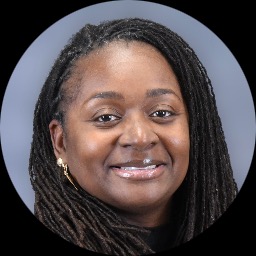
Shaneen Dials-Corujo
LPCSouth Carolina · 10 yrs exp
Licensed Professional Counselor - Multicultural concerns and relationships
Stress, Anxiety · Relationship · Parenting · Career · +6 more
Read profileTherapists who list culture, faith and migration among their work. An independent directory, not a crisis service.
Need help now?Therapist listings are provided by BetterHelp. We will earn a commission at no additional cost to you if you use our links to purchase.
Use this South Carolina listing to compare profiles of therapists who focus on cultural identity and multicultural concerns. Browse profiles to compare focus areas, approaches, languages and credentials, and view individual profiles to confirm permission to work where you live.
South Carolina · 10 yrs exp
Licensed Professional Counselor - Multicultural concerns and relationships
Stress, Anxiety · Relationship · Parenting · Career · +6 more
Read profile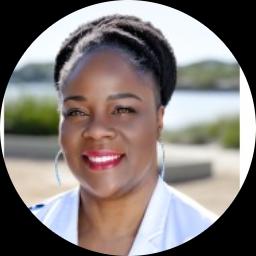
South Carolina · 3 yrs exp
Licensed Professional Counselor - relationships and trauma
Stress, Anxiety · Relationship · Trauma and abuse · Self esteem · +1 more
Read profile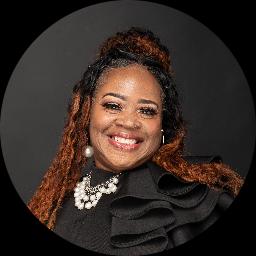
South Carolina · 3 yrs exp
Licensed Professional Counselor - Stress and Relationships
Stress, Anxiety · Relationship · Trauma and abuse · Grief · +4 more
Read profile
South Carolina · 25 yrs exp
Licensed Professional Counselor - Multicultural and life transitions
Addictions · Relationship · Grief · Self esteem · +9 more
Read profile
South Carolina · 26 yrs exp
Licensed counselor - life and career concerns
Self esteem · Career · Coping with life changes · Coaching · +7 more
Read profile
South Carolina · 10 yrs exp
Licensed counselor - relationships and trauma
Relationship · Family · Trauma and abuse · Grief · +1 more
Read profile
South Carolina · 20 yrs exp
Licensed Professional Counselor - Stress and Trauma
Stress, Anxiety · Trauma and abuse · Self esteem · Depression · +16 more
Read profile
South Carolina · 9 yrs exp
Licensed counselor - Multicultural concerns and trauma
Stress, Anxiety · Addictions · Trauma and abuse · Self esteem · +13 more
Read profile
South Carolina · 17 yrs exp
Dr. Janelle Robinson, LPC - Relationships and Life Stressors
Relationship · Family · Anger · Self esteem · +16 more
Read profile
South Carolina · 14 yrs exp
Licensed Professional Counselor - Relationships and Trauma
Relationship · Family · Trauma and abuse · Depression · +1 more
Read profile
South Carolina · 6 yrs exp
Licensed Professional Counselor - Stress and Anxiety
Stress, Anxiety · Relationship · Trauma and abuse · Anger · +14 more
Read profile
South Carolina · 12 yrs exp
Licensed counselor - Anxiety and relationships
Stress, Anxiety · Relationship · Self esteem · Depression · +4 more
Read profile
South Carolina · 25 yrs exp
Licensed Professional Counselor - Family and Grief
Family · Grief · Parenting · Career · +1 more
Read profile
South Carolina · 12 yrs exp
Licensed Social Worker - Multicultural concerns and trauma
Stress, Anxiety · Self esteem · Career · Depression · +7 more
Read profile
South Carolina · 15 yrs exp
Licensed Professional Counselor - Multicultural and trauma concerns
Stress, Anxiety · Addictions · Relationship · Family · +14 more
Read profile
South Carolina · 15 yrs exp
Licensed Professional Counselor - Stress and Trauma
Stress, Anxiety · Trauma and abuse · Parenting · Depression · +1 more
Read profile
South Carolina · 10 yrs exp
LCMHC LPC - Stress and Relationship support
Stress, Anxiety · Relationship · Self esteem · Career · +8 more
Read profile
South Carolina · 10 yrs exp
Licensed Professional Counselor - Multicultural and relationship concerns
Stress, Anxiety · Relationship · Family · Grief · +11 more
Read profile
South Carolina · 4 yrs exp
Licensed Professional Counselor - Multicultural concerns
Stress, Anxiety · Relationship · Anger · Self esteem · +10 more
Read profile
South Carolina · 16 yrs exp
Licensed Professional Counselor - Stress and Trauma
Stress, Anxiety · Addictions · Relationship · Trauma and abuse · +1 more
Read profile
South Carolina · 13 yrs exp
Licensed counselor - Stress and relationships
Stress, Anxiety · Trauma and abuse · Grief · Parenting · +11 more
Read profile
South Carolina · 22 yrs exp
LICSW counselor - stress and trauma
Stress, Anxiety · Anger · Depression · Coping with life changes · +15 more
Read profile
South Carolina · 5 yrs exp
Licensed counselor - Stress and grief
Stress, Anxiety · Grief · Self esteem · Depression · +1 more
Read profileWhen you search for a clinician who understands cultural identity, you may be thinking about a range of experiences - migration and acculturation, intergenerational and family expectations, stress from discrimination, or simply the desire to feel understood in your cultural context. These concerns can shape what you want from therapy: you might need someone who recognizes the emotional effects of adjusting to a new society, or who can hold the complicated loyalties and values that run through families across generations. You may also want a practitioner who recognizes how identity intersects with race, ethnicity, religion, sexual orientation, socioeconomic position, or disability. Reading profiles with those specifics in mind helps you spot clinicians who explicitly list those focus areas.
Remember that a listed topic is a statement by the clinician about areas they work with, not proof of a specific credential or an indication that they share your background. If feeling understood is a priority for you, note the language in profiles that speaks to cultural humility, ongoing learning, or experience with discrimination-related stress. Those phrases can signal a clinician who foregrounds cultural context when they work, but you should still ask direct questions about experience and approach before deciding to contact someone.
Profiles on this site are grouped by a listed location such as South Carolina, but that does not guarantee a physical office in that place or ongoing permission to practice there. Check individual profiles for details and confirm with the clinician that they are permitted to work with you where you live. The directory includes professionals from the United States, the United Kingdom, and Australia, and terminology for practice differs by country. In the US you will often see state licensure cited as permission to practice. In the UK and Australia clinicians may show registration or membership with a national professional body. Academic degrees such as PhD, PsyD, MD, MA, or MSW describe educational background; a degree alone does not establish current legal permission to provide care.
When you read credentials on a profile, look for clear statements about the type of credential and the issuing jurisdiction. If a profile lists a degree and also notes a license or registration, that combination gives you more context. If the profile does not state whether the clinician is permitted to work with you in your state or country, plan to ask that directly. Also be aware that listings may name therapeutic approaches that practitioners use; references to an approach reflect what the clinician lists, not independent verification of training or certification in that approach.
Prepare specific, concrete questions to help you compare clinicians. Ask whether the clinician has experience working with people who have similar cultural concerns to yours, and ask for examples of how they adapt their work for cultural identity and migration-related stress. A useful question is: What is your experience helping people navigate intergenerational conflicts that involve cultural values and family expectations? You can also ask: How do you address experiences of discrimination and the ongoing effects of bias on mental health? Those questions invite clinicians to describe practical steps they take rather than vague assurances.
When it comes to therapeutic style and approach, frame questions to explore fit instead of testing credentials. Ask which approaches they list and how those approaches are applied with clients who bring cultural concerns. For instance, you might say: I see you list narrative approaches and trauma-informed care among your approaches - can you describe how you would tailor those to someone dealing with migration-related grief or identity conflict? Also ask about language - Do you conduct sessions in languages other than English, or do you use interpreters? Direct questions like these help you assess whether the clinician’s way of working feels aligned with your needs before you reach out.
If you are considering remote sessions with a clinician who lists a South Carolina location but is based elsewhere, there are several practical topics to cover. First, confirm that the clinician has permission to provide care to someone in your state or country. Jurisdiction rules vary and permission to practice in one place does not automatically apply elsewhere. You should also discuss technical and privacy considerations - for example, what platform they use, how they manage session notes, and how they protect your data and communications. Ask how they handle emergency situations when you are in a different region, including how you will access local supports if needed.
Discuss language and cultural interpretation as well. If you prefer to work in a language other than English, ask whether the clinician speaks that language or whether they work with an interpreter, and how that collaboration is handled. If you have concerns about time zones, scheduling, or differences in public holidays and working hours across jurisdictions, clarify those details up front. Finally, talk about scope of practice - if your needs involve areas like medication management or legal questions, ask how the clinician coordinates with other professionals who can help, and whether they will refer you to someone local when appropriate.
When you compare profiles, pay attention to four main dimensions: focus areas, languages, credentials, and described therapeutic style. Focus areas tell you what the clinician highlights as issues they commonly work with - look for mentions of cultural identity, migration and acculturation, intergenerational dynamics, and discrimination-related stress. Languages listed on a profile can make a practical difference in how comfortable you feel expressing nuance, so note whether a clinician conducts therapy in your preferred language or whether they note use of interpreters.
On credentials, separate academic degrees from permission to practice. Degrees like PhD, PsyD, MD, MA, and MSW signal educational preparation, while a license, registration, or professional membership indicates the relevant permission framework for the clinician’s country. Style and tone on a profile - how a clinician describes collaboration, the role of culture in their work, and their approach to diversity - can help you gauge whether their interpersonal style fits you. Concrete comparison questions to use while reviewing profiles include: Do they explicitly list the cultural concerns you want help with? What languages do they offer sessions in? Do they state the credentialing or registration that applies to your location? How do they describe adapting their approach to cultural values or family expectations? Using those questions will help you narrow your choices to a few profiles to contact and explore further.
Throughout your search, remember to verify details on individual profiles and to confirm permission to work with you where you live before beginning care. The profiles in this South Carolina listing can guide you to clinicians who list multicultural concerns among their additional focus areas, but your personal conversation will be the clearest way to learn whether a clinician’s approach, experience, and style are the right fit for your cultural and practical needs.
Anger
937 therapists
Depression
1679 therapists
Domestic Violence
779 therapists
Grief
1202 therapists
Guilt and Shame
1446 therapists
Isolation / Loneliness
1396 therapists
Post-Traumatic Stress
1251 therapists
Self Esteem
1574 therapists
Social Anxiety and Phobia
1215 therapists
Stress & Anxiety
1880 therapists
Trauma and Abuse
1432 therapists
Adoption
507 therapists
Aging and Geriatric Issues
677 therapists
Attachment Issues
1134 therapists
Blended Family Issues
926 therapists
Career
899 therapists
Caregiver Issues and Stress
1100 therapists
Codependency
907 therapists
Communication Problems
1574 therapists
Coping with Life Changes
1449 therapists
Divorce
1100 therapists
Family
1202 therapists
Family of Origin Issues
965 therapists
Fatherhood Issues
576 therapists
Forgiveness
1336 therapists
Life Purpose
1526 therapists
Money and Financial Issues
638 therapists
Parenting
910 therapists
Relationship
1504 therapists
Workplace Issues
1225 therapists