
Melissa Robinson
LCMHCNorth Carolina · 7 yrs exp
Licensed counselor - Anxiety and grief
Stress, Anxiety · Grief · Depression · Coping with life changes · +4 more
Read profileTherapists who list culture, faith and migration among their work. An independent directory, not a crisis service.
Need help now?Therapist listings are provided by BetterHelp. We will earn a commission at no additional cost to you if you use our links to purchase.
This page groups therapist profiles listed under North Carolina who note cultural identity and related multicultural concerns among their focus areas. Use the listings to compare focus areas, languages, credentials, and therapeutic approaches before opening an individual profile.
Browse the profiles below and check each therapist's listed location and permissions to work with clients where they live.
North Carolina · 7 yrs exp
Licensed counselor - Anxiety and grief
Stress, Anxiety · Grief · Depression · Coping with life changes · +4 more
Read profile
North Carolina · 5 yrs exp
Licensed counselor - relationships and trauma
Relationship · Grief · Eating · Anger · +12 more
Read profile
North Carolina · 10 yrs exp
LCSW - Relationships and Multicultural concerns
Relationship · Parenting · Anger · Self esteem · +9 more
Read profile
North Carolina · 7 yrs exp
Licensed counselor - Stress and addictions
Stress, Anxiety · Addictions · Relationship · Family · +2 more
Read profile
North Carolina · 5 yrs exp
Licensed counselor - Multicultural and mood concerns
Stress, Anxiety · Addictions · LGBT · Grief · +1 more
Read profile
North Carolina · 15 yrs exp
Licensed Clinical Social Worker - Stress and Trauma
Stress, Anxiety · Relationship · Trauma and abuse · Self esteem · +1 more
Read profile
North Carolina · 17 yrs exp
Licensed counselor - Multicultural concerns and relationships
Stress, Anxiety · Relationship · Grief · Anger · +1 more
Read profile
North Carolina · 20 yrs exp
Licensed Clinical Social Worker - Stress and trauma
Stress, Anxiety · Trauma and abuse · Grief · Depression · +1 more
Read profile
North Carolina · 12 yrs exp
Licensed counselor - Multicultural and mood concerns
Stress, Anxiety · Family · Self esteem · Depression · +8 more
Read profile
North Carolina · 5 yrs exp
LPC and LCSW - Stress and Relationship work
Stress, Anxiety · Relationship · Family · Trauma and abuse · +4 more
Read profile
North Carolina · 20 yrs exp
Licensed counselor - Stress and addictions
Stress, Anxiety · Addictions · Relationship · Family · +1 more
Read profile
North Carolina · 25 yrs exp
LCMHC - Anxiety and Relationship Concerns
Stress, Anxiety · Relationship · Family · Intimacy-related issues · +10 more
Read profile
North Carolina · 10 yrs exp
NC Psychologist - Anxiety and Depression
Stress, Anxiety · Grief · Anger · Self esteem · +1 more
Read profile
North Carolina · 5 yrs exp
LCSW - Stress and Addiction focused
Stress, Anxiety · Addictions · Relationship · Trauma and abuse · +14 more
Read profile
North Carolina · 10 yrs exp
Licensed Clinical Mental Health Counselor - Multicultural concerns and relationships
Stress, Anxiety · Relationship · Family · Depression · +9 more
Read profile
North Carolina · 14 yrs exp
Licensed Clinical Mental Health Counselor - Multicultural concerns and young adults
Stress, Anxiety · Anger · Self esteem · Depression · +5 more
Read profile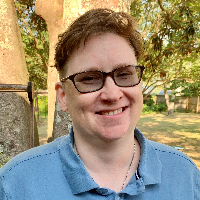
North Carolina · 10 yrs exp
Licensed counselor - trauma and multicultural concerns
Stress, Anxiety · Addictions · LGBT · Trauma and abuse · +13 more
Read profile
North Carolina · 12 yrs exp
LPC and LCMHC focusing on mood and relationships
Stress, Anxiety · Trauma and abuse · Parenting · Coping with life changes · +11 more
Read profile
North Carolina · 9 yrs exp
LCSW - Stress and Relationship Concerns
Stress, Anxiety · Relationship · Trauma and abuse · Self esteem · +1 more
Read profile
North Carolina · 5 yrs exp
Licensed Clinical Social Worker - Anxiety and Life Changes
Stress, Anxiety · Self esteem · Career · Coping with life changes · +6 more
Read profile
North Carolina · 10 yrs exp
Licensed counselor - Multicultural and somatic focus
Stress, Anxiety · LGBT · Relationship · Coping with life changes · +13 more
Read profile
North Carolina · 16 yrs exp
Licensed Clinical Mental Health Counselor - Relationships and Trauma
Stress, Anxiety · Relationship · Trauma and abuse · Grief · +7 more
Read profile
North Carolina · 5 yrs exp
Licensed Clinical Mental Health Counselor - Multicultural concerns
Stress, Anxiety · Trauma and abuse · Self esteem · Career · +15 more
Read profile
North Carolina · 25 yrs exp
LCMHC in North Carolina - Stress and Relationships
Stress, Anxiety · Relationship · Family · Trauma and abuse · +1 more
Read profileWhen you search for care around cultural identity you are often looking for someone who will take your background, family history, migration or acculturation experience, and day-to-day encounters with discrimination seriously. Many people arrive feeling unseen or misunderstood - which can intensify stress, isolation, or intergenerational tension. You might be grappling with questions about blending cultural values across generations, managing expectations from family and community, or processing how experiences of bias and exclusion affect your sense of self. Therapy that addresses these topics usually centers on listening to your story and exploring how cultural narratives shape your choices, relationships, and emotional responses. Profiles in this directory may mention migration and acculturation, intergenerational and family expectations, discrimination stress, and a focus on cultural identity. Seeing a listed focus does not guarantee a particular approach or outcome, but it can help you identify profiles that describe work with themes similar to yours.
The directory groups profiles under the listed location North Carolina, but that listing alone does not confirm an office address or current permission to work with clients there. Each profile should be reviewed for details about where a professional is authorized to practice. In the United States professional permission usually appears as a state license such as a counseling, social work, marriage and family, or psychologist license. In the United Kingdom and Australia you may see registrations, memberships, or professional body listings that indicate an ability to practice in those jurisdictions. Academic degrees such as PhD, PsyD, MD, MA, or MSW are important to note because they reflect training pathways, but a degree by itself does not establish present permission to provide care. Profiles sometimes combine degree information with licensing or registration details; when those items are present pay attention to which state or country the license or registration applies to and confirm directly with the professional whether they can work with you where you live.
When you contact a profile, concrete questions will help you compare how each professional frames their work. You might ask whether they have experience supporting people with migration or acculturation stress similar to yours and how they describe that experience in practice. Ask how they typically approach intergenerational or family expectations - for example, whether they work with family histories, cultural values, or communication patterns - and whether they have supported others navigating role shifts between generations. If discrimination or racial stress is part of the concern, ask how they address identity-based stress and whether they consider systemic and contextual factors in sessions. Request clarification about approaches listed on the profile by asking what a typical session looks like and how the clinician tailors methods to fit a client's cultural values. If a profile lists specific approaches, you can ask whether the therapist often adapts those approaches for different cultural contexts or whether they tend to combine several approaches depending on a client's needs. These kinds of questions help you evaluate fit based on concrete descriptions rather than assumptions about background or expertise.
If you are considering communicating or working remotely, it is important to raise practical and jurisdictional matters up front. Confirm whether the professional has permission to work with clients in your state or country, and ask how they handle situations that require local resources. Discuss language preferences and whether sessions will be conducted in a language you are comfortable using, or whether interpretation is offered. Talk about expectations for privacy and record keeping, and ask how the therapist handles emergency or crisis situations if you are not in the same location. Clarify time zone differences, session length, and how scheduling is managed. If cultural or immigration issues are central to your needs, ask how the clinician incorporates your cultural context into goal setting and whether they will involve family members only with your consent. These conversations help you understand whether a particular profile aligns with your logistical and jurisdictional needs before committing time to a longer intake process.
Making an effective comparison means looking at several elements together rather than focusing on a single label. Start with the focus areas listed in the profile: does the clinician mention cultural identity, migration and acculturation, intergenerational or family expectations, or discrimination-related stress? Those descriptors indicate topics the clinician is willing to address, but they do not guarantee a specific outcome or a particular client population. Look next at languages offered. If therapy in your preferred language matters, prioritize profiles that clearly state language fluency and how language is used in sessions. Then consider credentials but separate degrees from professional permission to practice. A profile that lists a PhD, PsyD, MD, MA, or MSW alongside the relevant state license, registration, or membership gives a clearer picture of formal education and current professional standing than a degree alone. Finally, read how the clinician describes their therapeutic style - words like collaborative, directive, exploratory, or trauma-informed can suggest how they relate in session. To compare profiles in real terms, imagine asking each clinician the same set of questions about experience with your specific cultural or migration background, about handling discrimination-related stress, and about working with family expectations. Responses to the same questions will reveal differences in emphasis, language, and how they propose to work with your concerns. Remember that a listed topic does not establish whether a clinician treats children, couples, or families, so if that is important to you, include it in your questions. Above all, confirm details on the individual profile and verify permission to work together where you live before moving forward.
Anger
937 therapists
Depression
1679 therapists
Domestic Violence
779 therapists
Grief
1202 therapists
Guilt and Shame
1446 therapists
Isolation / Loneliness
1396 therapists
Post-Traumatic Stress
1251 therapists
Self Esteem
1574 therapists
Social Anxiety and Phobia
1215 therapists
Stress & Anxiety
1880 therapists
Trauma and Abuse
1432 therapists
Adoption
507 therapists
Aging and Geriatric Issues
677 therapists
Attachment Issues
1134 therapists
Blended Family Issues
926 therapists
Career
899 therapists
Caregiver Issues and Stress
1100 therapists
Codependency
907 therapists
Communication Problems
1574 therapists
Coping with Life Changes
1449 therapists
Divorce
1100 therapists
Family
1202 therapists
Family of Origin Issues
965 therapists
Fatherhood Issues
576 therapists
Forgiveness
1336 therapists
Life Purpose
1526 therapists
Money and Financial Issues
638 therapists
Parenting
910 therapists
Relationship
1504 therapists
Workplace Issues
1225 therapists