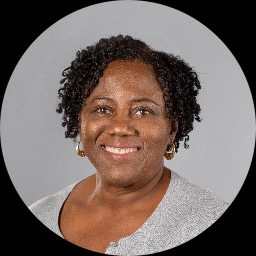
Juliet Daniels
LCSWMaine · 10 yrs exp
LCSW - Stress and Multicultural concerns
Stress, Anxiety · Addictions · Grief · Self esteem · +2 more
Read profileTherapists who list culture, faith and migration among their work. An independent directory, not a crisis service.
Need help now?Therapist listings are provided by BetterHelp. We will earn a commission at no additional cost to you if you use our links to purchase.
This page groups profiles under the listed location Maine so you can compare practitioners who list cultural identity and multicultural concerns among their focus areas. Browse profiles to review focus areas, languages, degrees and stated approaches, and confirm each practitioner has permission to work where you live.
Maine · 10 yrs exp
LCSW - Stress and Multicultural concerns
Stress, Anxiety · Addictions · Grief · Self esteem · +2 more
Read profile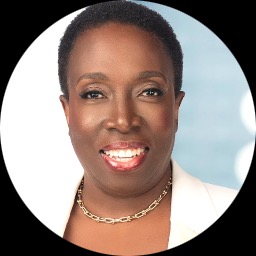
Maine · 20 yrs exp
Dr. Judith Josiah-Martin, LCSW - Stress and multicultural concerns
Stress, Anxiety · Self esteem · Career · Coaching · +1 more
Read profileWhen you bring cultural identity into care, you are naming how race, ethnicity, migration, faith, language and family expectations shape your everyday life and emotional experience. In Maine, as in other places, those factors can affect how you understand stress, seek help and describe relationships. You may be navigating the experience of migration and acculturation - adapting to a new environment while keeping connections to your cultural background. You may also be carrying intergenerational expectations that shape roles, communication and boundaries in your family. Discrimination-related stress and the ongoing effort to feel understood can affect your sense of safety and belonging, and those concerns are important topics to raise when you look at profiles.
Therapy conversations that attend to culture often include narrative work about identity, practical strategies for coping with prejudice and microaggressions, and attention to family patterns that are culturally informed. You should expect to see a range of approaches described on profiles, and that variety can help you identify practitioners whose language and emphasis feel aligned with your priorities. Remember that a listed focus on multicultural concerns indicates interest or experience, not a guarantee of a particular outcome or a specific kind of training.
The listing groups profiles under the listed location Maine, but that does not by itself prove an office address or that a clinician is authorized to practice in every jurisdiction. Profiles may include academic degrees such as PhD, PsyD, MD, MA and MSW, and those degrees indicate the applicant's educational background. Academic credentials are distinct from professional permission to practice. In the United States clinicians typically hold a state license, whereas in the United Kingdom and Australia professionals may hold registration or membership with recognized bodies. A degree without a current license or registration does not establish permission to provide care where you live.
When you review a profile, look for clear statements about the clinician's current professional standing and any jurisdictional limits on their practice. The directory groups practitioners by location to help you narrow options, but you should confirm on the individual profile whether the practitioner can legally work with you in your state, territory or country. This is especially important if you plan to receive care across state lines or from another nation, since laws differ and permission to provide services is regulated in different ways.
Prepare concrete questions that will help you compare how practitioners describe their work with multicultural issues. You might ask how they have supported clients navigating migration and acculturation, or how they approach intergenerational family expectations when cultural values differ between relatives. Ask whether they have worked with people who describe similar cultural identities or life circumstances to yours, and invite examples of the kinds of conversations they tend to emphasize. These requests help you understand whether their experience matches the concerns you want to address.
It is appropriate to ask about the approaches they use and what those approaches look like in practice. Some profiles will list specific approaches - for example, you may see therapists who list EMDR among their approaches, or who list cognitive behavioral work, psychodynamic-informed methods or narrative-focused practices. Treat those listings as starting points for discussion rather than proof of certification or a promise of a particular effect. Ask how an approach would be adapted to cultural factors you care about, and how they measure whether a particular direction is helpful for you.
If you are considering sessions by phone or video, bring up practical and ethical topics before you begin. Check whether the practitioner has permission to work with clients located in your state or country, and ask how that affects recordkeeping, informed consent and emergency planning. You should discuss how time zones will be handled, what technology platforms they use and what privacy protections are in place for your communications and records. It is reasonable to ask where the clinician is physically based during sessions and whether that has any bearing on their ability to provide care to you.
Also talk about boundaries and the setting for sessions on your side. If you will join from a shared household, you might explore how to create a quiet space for conversations. Clarify what will happen if a connection fails during a session, and ask whether the clinician has a process for addressing urgent concerns that may arise between meetings. These practical discussions help you make informed choices about whether remote care fits your needs and personal circumstances.
When you compare profiles, look beyond a single label and read the language the clinician uses to describe their focus. If cultural identity is central to your needs, note whether the profile references migration, acculturation, intergenerational dynamics or discrimination stress specifically. Consider asking whether they have experience with the conversational norms common to your community, and whether they offer care in the language you prefer. Language ability can make a big difference for how comfortably you express nuance, so pay attention to whether a profile lists languages and how fluently they are used in sessions.
Compare credentials carefully. Academic degrees tell you about training pathways - a PhD or PsyD indicates a doctoral-level degree in psychology, an MD points to medical training, and an MA or MSW are common graduate credentials for counseling and social work. Professional permission to practice is a separate matter. In the U.S. look for a state license; in the U.K. and Australia look for a statement about registration or membership with a recognized professional body. If a profile lists clinical approaches, remember to ask how those approaches are applied to multicultural work and to request examples of the kinds of outcomes they aim to support.
Your sense of a practitioner's conversational style matters too. Some clinicians emphasize reflective conversation and exploration of identity, while others focus on practical skills for coping with discrimination or managing cross-cultural family dynamics. Read profiles for tone and phrasing that feel respectful and understandable to you, and prepare a few comparison questions such as: Do you work with first-generation families? How do you approach conflicts that arise from differing cultural expectations? What languages do you use in sessions? How do you adapt your approach when culture is a central concern? These concrete queries will help you choose which profiles to explore further.
As you move from browsing to contacting a practitioner, keep returning to the essentials: confirm permission to practice where you live, clarify how cultural concerns are handled in session, and make sure the logistical arrangements meet your needs. Using these steps will help you evaluate profiles in Maine with a clearer sense of fit and relevance for the cultural aspects of your life.
Anger
937 therapists
Depression
1679 therapists
Domestic Violence
779 therapists
Grief
1202 therapists
Guilt and Shame
1446 therapists
Isolation / Loneliness
1396 therapists
Post-Traumatic Stress
1251 therapists
Self Esteem
1574 therapists
Social Anxiety and Phobia
1215 therapists
Stress & Anxiety
1880 therapists
Trauma and Abuse
1432 therapists
Adoption
507 therapists
Aging and Geriatric Issues
677 therapists
Attachment Issues
1134 therapists
Blended Family Issues
926 therapists
Career
899 therapists
Caregiver Issues and Stress
1100 therapists
Codependency
907 therapists
Communication Problems
1574 therapists
Coping with Life Changes
1449 therapists
Divorce
1100 therapists
Family
1202 therapists
Family of Origin Issues
965 therapists
Fatherhood Issues
576 therapists
Forgiveness
1336 therapists
Life Purpose
1526 therapists
Money and Financial Issues
638 therapists
Parenting
910 therapists
Relationship
1504 therapists
Workplace Issues
1225 therapists