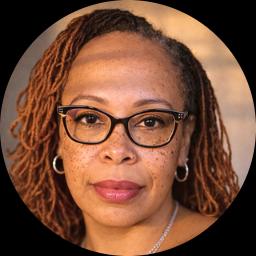
Tara Wallace
LSCSWKansas · 12 yrs exp
LSCSW - Family and Trauma care
Family · Trauma and abuse · Grief · Parenting · +1 more
Read profileTherapists who list culture, faith and migration among their work. An independent directory, not a crisis service.
Need help now?Therapist listings are provided by BetterHelp. We will earn a commission at no additional cost to you if you use our links to purchase.
This page groups profiles with a listed location in Kansas that indicate cultural identity and multicultural concerns among their focus areas. Use the grid to compare focus areas, therapeutic approaches, languages, academic degrees, and professional registrations, and browse profiles to learn more.
Kansas · 12 yrs exp
LSCSW - Family and Trauma care
Family · Trauma and abuse · Grief · Parenting · +1 more
Read profile
Kansas · 10 yrs exp
Licensed counselor - Anxiety and family concerns
Stress, Anxiety · Family · Self esteem · Coping with life changes · +8 more
Read profile
Kansas · 7 yrs exp
LSCSW focusing on stress and relationships
Stress, Anxiety · Anger · Self esteem · Depression · +14 more
Read profile
Kansas · 10 yrs exp
LCMFT - Relationships and Sexuality
Stress, Anxiety · LGBT · Relationship · Intimacy-related issues · +1 more
Read profile
Kansas · 8 yrs exp
Licensed social worker - Stress and trauma
Stress, Anxiety · LGBT · Relationship · Trauma and abuse · +1 more
Read profile
Kansas · 15 yrs exp
Sherrill Robinson, LSCSW - Relationships and Family
Relationship · Family · Intimacy-related issues · Parenting · +2 more
Read profile
Kansas · 18 yrs exp
Licensed social worker - trauma and relationships
Stress, Anxiety · Relationship · Trauma and abuse · Self esteem · +1 more
Read profile
Kansas · 12 yrs exp
LSCSW - Multicultural concerns and LGBT support
Stress, Anxiety · LGBT · Self esteem · Depression · +13 more
Read profile
Kansas · 4 yrs exp
LSCSW - Stress and Relationship Concerns
Stress, Anxiety · Relationship · Self esteem · Depression · +1 more
Read profileWhen you are exploring help for cultural identity questions, migration and acculturation, intergenerational expectations, or the stress of discrimination, you are often looking for more than a general conversation. You may want someone who will take time to hear how your cultural background shapes your values, communications, and relationships. You might be managing a move between countries, supporting children through bilingual identity development, or coping with the emotional toll of microaggressions and overt bias. In these situations you are likely seeking a therapist who listens for cultural context and who asks about the specific ways ethnicity, religion, language, gender identity, sexual orientation, and migration history influence your day to day life. Profiles in this directory can help you see which practitioners list multicultural concerns or related focus areas, but listing that focus does not mean a therapist shares your background or holds a particular credential. Use profile details to find descriptions that resonate with your experience and to prepare questions you want to bring up during an initial conversation.
The profiles on this Kansas page are grouped by a listed location. That listed location does not by itself prove an office address, ongoing practice in Kansas, or current permission to work with residents there. If geography matters to you, check the individual profile and confirm permission to work together where you live. Professional credentials and academic degrees are presented separately on profiles. Academic degrees such as PhD, PsyD, MD, MA, and MSW describe a person’s educational background. Those degrees do not automatically indicate that someone currently holds state licensing, registration, or membership that allows independent practice. In the United States, state licensing is the mechanism that authorizes clinical practice in a given jurisdiction. In the United Kingdom and Australia, you will often see references to professional registration, memberships, or national regulatory bodies. When you review a profile, note whether the practitioner lists a state license, a regulatory registration, or a professional membership and then confirm details directly with that practitioner if this authorization matters to you. Profiles may include a mix of degrees, registrations, and practice locations, but only checking the individual profile and asking the practitioner will clarify where they have permission to work with you.
Preparing a few specific questions will help you compare profiles more effectively. Ask how the therapist understands and works with cultural identity - for example, whether they have experience supporting people who are reconciling multiple cultural identities, navigating language differences within family systems, or coping with migration-related loss. Ask for examples of how they adapt their approach when cultural expectations about emotional expression or family roles differ from mainstream norms. If you have a migration history, ask about their experience with acculturation stress, decision making around staying connected to cultural traditions, and supporting children raised in more than one cultural context. If discrimination or identity-based stress is part of your concern, ask how they help clients process those experiences and how they support safety planning or community connection. When therapy approaches are mentioned on a profile, remember that saying a therapist uses an approach is not the same as a particular certification; you can ask what that approach looks like in practice and how they use it with multicultural issues. Concrete questions about language ability, use of interpreters, and how family members are involved will help you learn whether a profile is a good starting point for deeper conversation.
If you are considering online work with a practitioner who lists a Kansas location but may be based elsewhere, begin by confirming whether they have permission to provide services where you live. Licensing and registration rules vary across states and countries, and professionals sometimes maintain multiple permissions but sometimes do not. Clarify how they handle time zones, what platform or technology they use, and what privacy protections and data handling practices are in place for remote sessions. Discuss how you and the practitioner will handle emergencies or situations that require local support, including whether they will provide local referrals if needed. Talk about language accommodations - whether sessions can be conducted in your preferred language, whether an interpreter would be used, and how that affects scheduling and session flow. You should also ask about session structure and whether they involve family members, community elders, or other supports when cultural context suggests that could be important. These practical points help you decide whether a profile aligns with your logistical and cultural needs before you begin.
When you compare profiles, look beyond labels and read the descriptions that explain what a practitioner means by a focus area such as cultural identity or multicultural concerns. Some profiles will specify experience with migration and resettlement, others with intergenerational conflict in families that span cultures, and others with discrimination stress and identity-based trauma. Pay attention to language listings and whether a practitioner says they can work directly in a language you prefer or whether they rely on an interpreter. Notice the combination of academic degrees and professional registrations - a PhD or MSW indicates education, while a state license, a UK registration, or an Australian membership indicates the authorization or affiliation that can relate to practice permissions. Consider style cues in profile language - whether the practitioner describes a collaborative, directive, exploratory, or skills-based approach - and then formulate a few real-world scenarios to ask them about so you can see how they would respond. Remember that a listed focus does not guarantee the therapist treats children, couples, or families, so bring specific questions about scope of practice. Ultimately, use profiles to narrow your choices to a few practitioners whose descriptions and stated competencies feel like a fit, then reach out to confirm registration or licensure details, discuss your goals, and ensure they have permission to work with you where you live before making any decisions about care.
Anger
937 therapists
Depression
1679 therapists
Domestic Violence
779 therapists
Grief
1202 therapists
Guilt and Shame
1446 therapists
Isolation / Loneliness
1396 therapists
Post-Traumatic Stress
1251 therapists
Self Esteem
1574 therapists
Social Anxiety and Phobia
1215 therapists
Stress & Anxiety
1880 therapists
Trauma and Abuse
1432 therapists
Adoption
507 therapists
Aging and Geriatric Issues
677 therapists
Attachment Issues
1134 therapists
Blended Family Issues
926 therapists
Career
899 therapists
Caregiver Issues and Stress
1100 therapists
Codependency
907 therapists
Communication Problems
1574 therapists
Coping with Life Changes
1449 therapists
Divorce
1100 therapists
Family
1202 therapists
Family of Origin Issues
965 therapists
Fatherhood Issues
576 therapists
Forgiveness
1336 therapists
Life Purpose
1526 therapists
Money and Financial Issues
638 therapists
Parenting
910 therapists
Relationship
1504 therapists
Workplace Issues
1225 therapists