
Harjit Kundi
BACPUnited Kingdom · 3 yrs exp
BACP counsellor - stress and LGBTIAQ+ concerns
Stress, Anxiety · Addictions · LGBT · Trauma and abuse · +16 more
Read profileTherapists who list culture, faith and migration among their work. An independent directory, not a crisis service.
Need help now?Therapist listings are provided by BetterHelp. We will earn a commission at no additional cost to you if you use our links to purchase.
This page gathers profiles of therapists who list Stress & Anxiety alongside multicultural concerns and cultural identity. Review listed location, approaches, languages and stated focus areas, then browse the profiles below to begin.
United Kingdom · 3 yrs exp
BACP counsellor - stress and LGBTIAQ+ concerns
Stress, Anxiety · Addictions · LGBT · Trauma and abuse · +16 more
Read profile
California · 14 yrs exp
Licensed Clinical Social Worker - Trauma and Life Changes
Stress, Anxiety · Trauma and abuse · Grief · Self esteem · +8 more
Read profile
United Kingdom · 15 yrs exp
Counsellor - Multicultural concerns and relationships
Stress, Anxiety · Self esteem · Career · Coping with life changes · +15 more
Read profile
Massachusetts · 30 yrs exp
LMFT and LMHC - Multicultural and family concerns
Addictions · Family · Trauma and abuse · Grief · +16 more
Read profile
Texas · 4 yrs exp
Licensed Clinical Social Worker - Stress and Anxiety
Stress, Anxiety · Self esteem · Depression · Coping with life changes
Read profile
United Kingdom · 3 yrs exp
BACP counsellor - Anxiety and trauma support
Stress, Anxiety · Relationship · Trauma and abuse · Grief · +1 more
Read profile
Minnesota · 15 yrs exp
Licensed Professional Clinical Counselor - Multicultural concerns
Stress, Anxiety · Relationship · Grief · Eating · +1 more
Read profile
Louisiana · 3 yrs exp
Licensed Professional Counselor - Stress and Trauma
Stress, Anxiety · Relationship · Trauma and abuse · Depression · +1 more
Read profile
Massachusetts · 40 yrs exp
LICSW - Anxiety and Relationship Concerns
Stress, Anxiety · Addictions · LGBT · Relationship · +15 more
Read profile
United Kingdom · 19 yrs exp
BACP counsellor - trauma and anxiety
Stress, Anxiety · Trauma and abuse · Grief · Self esteem · +12 more
Read profile
United Kingdom · 8 yrs exp
BACP counsellor - anxiety and trauma
Stress, Anxiety · Trauma and abuse · Self esteem · Depression · +12 more
Read profile
Australia · 21 yrs exp
ACA counsellor - Stress and relationships
Stress, Anxiety · Relationship · Trauma and abuse · Grief · +1 more
Read profile
United Kingdom · 3 yrs exp
BACP counsellor - stress and multicultural concerns
Stress, Anxiety · Trauma and abuse · Self esteem · Depression · +10 more
Read profile
Texas · 3 yrs exp
Licensed Professional Counselor - Multicultural concerns
Stress, Anxiety · Relationship · Family · Self esteem · +6 more
Read profile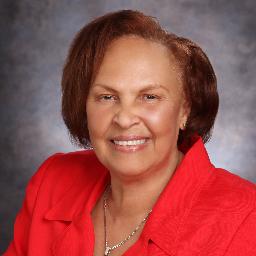
California · 20 yrs exp
LMFT in California - Multicultural and relationship concerns
Stress, Anxiety · Relationship · Family · Parenting · +10 more
Read profile
United Kingdom · 14 yrs exp
BACP counsellor - grief and parenting support
Grief · Parenting · Self esteem · Depression · +4 more
Read profile
United Kingdom · 12 yrs exp
BACP counsellor - Stress and LGBT concerns
Stress, Anxiety · LGBT · Relationship · Grief · +1 more
Read profile
Louisiana · 10 yrs exp
Licensed Professional Counselor - Stress and Trauma
Stress, Anxiety · Trauma and abuse · Self esteem · Depression · +1 more
Read profile
Connecticut · 11 yrs exp
LCSW - anxiety and relationship concerns
Stress, Anxiety · Relationship · Family · Grief · +12 more
Read profile
Alabama · 40 yrs exp
LMFT in Alabama - Multicultural and relationship concerns
Stress, Anxiety · Addictions · Grief · Parenting · +6 more
Read profile
Australia · 7 yrs exp
PACFA counsellor - Stress and trauma focus
Stress, Anxiety · Trauma and abuse · Intimacy-related issues · Anger · +1 more
Read profile
United Kingdom · 8 yrs exp
Counsellor - anxiety and multicultural concerns
Stress, Anxiety · Grief · Self esteem · Depression · +10 more
Read profile
United Kingdom · 7 yrs exp
Psychodynamic counsellor - trauma and relationships
Stress, Anxiety · Relationship · Trauma and abuse · Grief · +1 more
Read profile
Indiana · 13 yrs exp
LMHC and LPC - Anxiety and Relationships
Stress, Anxiety · Relationship · Trauma and abuse · Self esteem · +1 more
Read profileWhen you are looking for support for stress and anxiety, cultural context often shapes the experience as much as individual biology or life events. Cultural identity can influence how you name symptoms, the language you use, the coping strategies that feel familiar, and what counts as acceptable help-seeking in your family or community. Migration and acculturation pressures may add layers of worry about belonging, language barriers, work and financial transitions, and the emotional labor of navigating two or more cultural expectations. Intergenerational dynamics also play a role - expectations from parents or elders about achievement, family roles, or preserving traditions can intensify internal conflict and contribute to ongoing stress.
Discrimination, microaggressions and overt bias are additional sources of anxiety that often go unrecognized in mainstream accounts of stress. Feeling understood by a therapist about these experiences can influence whether you feel comfortable sharing the parts of your story that matter most. You may also find that some symptoms present differently across cultural frames - for example, distress might show up as physical aches, sleep problems or heightened vigilance. Recognizing these patterns can help you identify profiles that acknowledge cultural factors as part of stress and anxiety work.
This page groups profiles of clinicians who list Stress & Anxiety and who also list multicultural concerns or cultural identity as an area of focus. That listing indicates an interest or stated focus area on a profile; it does not establish a causal relationship between cultural identity and stress for every person or guarantee specific training. As you browse, you will see descriptions of approaches, languages, and focus areas that therapists have chosen to highlight. Use those descriptions to find profiles that match the aspects of identity and life experience that are most relevant to you, such as migration history, racial or ethnic identity, faith background, or multilingual needs.
Because the directory includes professionals from different countries, profiles reflect different regulatory and professional systems. A profile may note academic degrees, professional memberships, or registrations depending on the clinician and the country listed. Focus on how a clinician describes their approach to culture and anxiety rather than assuming that a listed topic equals a specific type of certification or outcome.
When you review profiles, it helps to have concrete comparison questions ready. Ask whether the clinician explicitly mentions working with people who share your cultural background or migration experience, and how they describe that work in their profile. Look for language about how they address intergenerational expectations, discrimination-related stress, or identity-related distress. If a profile mentions therapy approaches you want to explore, consider phrasing such as "I see you list EMDR among your approaches" or "I notice you work with mindfulness-based strategies" rather than assuming training. That way you can invite clarification about how those approaches get used with cultural sensitivity.
Consider questions about clinical scope and client focus that you can ask directly: whether the therapist states experience with acculturation stress or family expectation conflicts, what ages or life stages they typically work with if that matters to you, and how they describe the role of cultural identity in their work. You may also want to ask about session structure in general terms - how they typically frame early sessions to understand culture and stress, what goals they prioritize, and how progress is discussed. Those kinds of questions help you compare profiles on concrete terms rather than relying on broad labels.
If you plan to work online, bring up practical matters that affect your experience. Discuss language preferences and whether the therapist uses interpretation or bilingual practice if that is relevant. Ask how they handle time zones and appointment coordination given the listed location on their profile, and whether they can describe a typical first few sessions so you know what to expect when you begin. It is reasonable to ask about communication preferences for check-ins or rescheduling, and how information is shared about therapy goals and progress.
It is also important to discuss safety and emergency procedures in the context of the country where the clinician practices. Because regulatory and emergency response systems differ, ask how they handle crisis planning and what local resources they recommend from your listed location if you need additional support. If cultural or religious practices are central to your coping, bring those up early so you and the therapist can agree on how those elements will be integrated into your sessions. Being explicit about practical needs and expectations before you start helps you evaluate whether a profile’s description aligns with your priorities.
Comparing profiles effectively means looking at several dimensions together. Focus areas tell you what issues a clinician highlights, such as acculturation, discrimination stress, or family and intergenerational dynamics. Approaches listed on a profile indicate options to discuss, but they do not prove formal certification - you can use profile language to prompt clarifying questions about how those approaches are applied. Languages listed give you a direct sense of whether you can speak in the language you prefer, or whether interpretation will be needed. Listed location is useful for understanding time zone and jurisdiction concerns for online work.
Credentials on profiles can include academic degrees such as PhD, PsyD, MD, MA or MSW, which reflect educational background. Professional permission to practice is described differently across countries - in the United States practitioners commonly hold licenses such as LCSW, LPC, LMFT or similar; in the United Kingdom some professionals will note registration with national bodies or membership in professional associations; in Australia clinicians may list registration or membership with national boards or societies. Remember that an academic degree alone does not establish current permission to practice in a jurisdiction. If credentials are important to you, ask the clinician to describe their current professional standing and what it means where they practice.
Style and therapeutic stance are also important - some profiles emphasize a collaborative and exploratory approach to cultural identity and stress, while others describe more structured or skills-based work. Pay attention to how a clinician frames the role of culture in sessions: do they foreground exploration of cultural meaning, offer strategies for managing anxiety symptoms that respect cultural practices, or highlight work with family dynamics? Those distinctions help you narrow profiles to a set that feels like a potential fit. Ultimately, the most useful comparisons are concrete: which profiles describe experience with migration or intergenerational concerns similar to yours, which list your preferred language, and which explain their typical way of addressing stress and anxiety in culturally informed terms?
As you review listings on this page, keep a short list of the profiles that address the cultural elements and practical considerations most relevant to you. Use profile text to craft specific questions about how the therapist approaches cultural identity, discrimination-related stress, family expectations and acculturation. That preparation will help you make informed choices about which clinicians to contact and what to discuss in an initial conversation. Comparing profiles on focus areas, approaches, languages and credentials gives you the information needed to decide which profiles deserve a closer look for the kind of stress and anxiety support you want.
Alabama
21 therapists
Alaska
5 therapists
Arizona
17 therapists
Arkansas
7 therapists
Australia
62 therapists
California
183 therapists
Colorado
37 therapists
Connecticut
13 therapists
Delaware
5 therapists
District of Columbia
7 therapists
Florida
189 therapists
Georgia
51 therapists
Hawaii
11 therapists
Idaho
9 therapists
Illinois
73 therapists
Indiana
17 therapists
Iowa
7 therapists
Kansas
9 therapists
Kentucky
19 therapists
Louisiana
44 therapists
Maine
2 therapists
Maryland
33 therapists
Massachusetts
22 therapists
Michigan
54 therapists
Minnesota
23 therapists
Mississippi
20 therapists
Missouri
31 therapists
Montana
7 therapists
Nebraska
7 therapists
Nevada
15 therapists
New Hampshire
4 therapists
New Jersey
45 therapists
New Mexico
10 therapists
New York
111 therapists
North Carolina
81 therapists
North Dakota
2 therapists
Ohio
29 therapists
Oklahoma
32 therapists
Oregon
14 therapists
Pennsylvania
60 therapists
Rhode Island
3 therapists
South Carolina
23 therapists
South Dakota
1 therapist
Tennessee
26 therapists
Texas
238 therapists
United Kingdom
296 therapists
Utah
11 therapists
Vermont
1 therapist
Virginia
38 therapists
Washington
21 therapists
West Virginia
1 therapist
Wisconsin
21 therapists
Wyoming
4 therapists