
Leticia Reed
LCSWCalifornia · 14 yrs exp
Licensed Clinical Social Worker - Trauma and Life Changes
Stress, Anxiety · Trauma and abuse · Grief · Self esteem · +8 more
Read profileTherapists who list culture, faith and migration among their work. An independent directory, not a crisis service.
Need help now?Therapist listings are provided by BetterHelp. We will earn a commission at no additional cost to you if you use our links to purchase.
Compare profiles of therapists who list Life Purpose and multicultural concerns to find practitioners whose approaches, languages, and experience match what you want to explore. Browse listed location, credentials, and therapeutic style to narrow choices before contacting someone.
California · 14 yrs exp
Licensed Clinical Social Worker - Trauma and Life Changes
Stress, Anxiety · Trauma and abuse · Grief · Self esteem · +8 more
Read profile
United Kingdom · 15 yrs exp
Counsellor - Multicultural concerns and relationships
Stress, Anxiety · Self esteem · Career · Coping with life changes · +15 more
Read profile
New Jersey · 15 yrs exp
Licensed Professional Counselor - Relationships and Trauma
Relationship · Family · Trauma and abuse · Bipolar · +1 more
Read profile
Massachusetts · 30 yrs exp
LMFT and LMHC - Multicultural and family concerns
Addictions · Family · Trauma and abuse · Grief · +16 more
Read profile
Texas · 4 yrs exp
Licensed Clinical Social Worker - Stress and Anxiety
Stress, Anxiety · Self esteem · Depression · Coping with life changes
Read profile
United Kingdom · 3 yrs exp
BACP counsellor - Anxiety and trauma support
Stress, Anxiety · Relationship · Trauma and abuse · Grief · +1 more
Read profile
Minnesota · 15 yrs exp
Licensed Professional Clinical Counselor - Multicultural concerns
Stress, Anxiety · Relationship · Grief · Eating · +1 more
Read profile
Louisiana · 3 yrs exp
Licensed Professional Counselor - Stress and Trauma
Stress, Anxiety · Relationship · Trauma and abuse · Depression · +1 more
Read profile
Texas · 14 yrs exp
Licensed Professional Counselor - Family and Life Changes
Family · Parenting · Self esteem · Career · +3 more
Read profile
United Kingdom · 19 yrs exp
BACP counsellor - trauma and anxiety
Stress, Anxiety · Trauma and abuse · Grief · Self esteem · +12 more
Read profile
United Kingdom · 8 yrs exp
BACP counsellor - anxiety and trauma
Stress, Anxiety · Trauma and abuse · Self esteem · Depression · +12 more
Read profile
Australia · 3 yrs exp
AASW social worker - trauma and mood support
Trauma and abuse · Self esteem · Bipolar · Depression · +1 more
Read profile
Australia · 21 yrs exp
ACA counsellor - Stress and relationships
Stress, Anxiety · Relationship · Trauma and abuse · Grief · +1 more
Read profile
Texas · 3 yrs exp
Licensed Professional Counselor - Multicultural concerns
Stress, Anxiety · Relationship · Family · Self esteem · +6 more
Read profile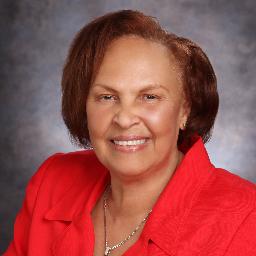
California · 20 yrs exp
LMFT in California - Multicultural and relationship concerns
Stress, Anxiety · Relationship · Family · Parenting · +10 more
Read profile
Nebraska · 10 yrs exp
LIMHP - Relationships and Life Changes
Relationship · Parenting · Self esteem · Career · +1 more
Read profile
Louisiana · 10 yrs exp
Licensed Professional Counselor - Stress and Trauma
Stress, Anxiety · Trauma and abuse · Self esteem · Depression · +1 more
Read profile
Australia · 7 yrs exp
PACFA counsellor - Stress and trauma focus
Stress, Anxiety · Trauma and abuse · Intimacy-related issues · Anger · +1 more
Read profile
Colorado · 6 yrs exp
Licensed Professional Counselor - Trauma and Multicultural concerns
Trauma and abuse · Grief · Intimacy-related issues · Self esteem · +1 more
Read profile
United Kingdom · 8 yrs exp
Counsellor - anxiety and multicultural concerns
Stress, Anxiety · Grief · Self esteem · Depression · +10 more
Read profile
Indiana · 13 yrs exp
LMHC and LPC - Anxiety and Relationships
Stress, Anxiety · Relationship · Trauma and abuse · Self esteem · +1 more
Read profile
Connecticut · 11 yrs exp
LCSW - Stress and Multicultural concerns
Stress, Anxiety · Addictions · LGBT · Depression · +10 more
Read profile
Pennsylvania · 15 yrs exp
Licensed counselor - stress and relationships
Stress, Anxiety · Relationship · Family · Self esteem · +1 more
Read profile
United Kingdom · 7 yrs exp
Registered counsellor - stress and relationships
Stress, Anxiety · Relationship · Family · Self esteem · +8 more
Read profileWhen you are exploring meaning, values, and direction, cultural identity can shape the questions you bring to therapy. Migration and acculturation can change the networks, rituals, and expectations that once anchored you, leaving you to negotiate a new mix of influences. Intergenerational and family expectations may add pressure to follow particular career paths, caregiving roles, or community responsibilities, and those expectations sometimes conflict with the life you envision. Experiences of discrimination, microaggressions, or being misunderstood can also cause you to reassess what matters and how you want to show up in relationships and work. These are common themes for people from many backgrounds, and they can influence how you think about purpose, belonging, and personal priorities.
This page groups profiles of practitioners who list Life Purpose as a focus and who also list multicultural concerns among their areas of work. That pairing on a profile does not establish any specific training, certification, or shared background, but it does indicate that therapists have chosen to highlight those themes. You should view that information as a starting point for conversation. In your search, you may notice profiles that emphasize migration, intergenerational dynamics, faith and cultural practice, or workplace identity as related concerns. Read the descriptions in profiles to see how therapists describe their style and population focus, and think about whether their language aligns with the cultural questions you want to address. Do not assume a profile that lists multicultural concerns guarantees a particular technique or a shared cultural background; instead, use profiles to identify people who appear willing to engage with culture-related topics and to follow up with direct questions about their experience and approach.
When you compare profiles, prepare concrete questions that will help you evaluate fit. Ask which populations the therapist commonly works with and whether they have experience addressing migration, acculturation, or intergenerational family expectations similar to yours. Ask what they mean when a profile lists Life Purpose - whether that refers to values clarification, career and vocational exploration, meaning in retirement, or transitions tied to family roles. Ask how they incorporate cultural identity into assessment and goal-setting and whether they have experience discussing discrimination-related stress and identity-based stressors. Inquire about the therapeutic approaches they list on their profile, using language such as "I see you list X among your approaches - how do you use that when someone brings cultural or purpose-related concerns?" Remember that entries about approaches indicate areas the therapist highlights, not proof of certification. Also ask about languages offered and whether they use interpreters when necessary. Finally, ask about the populations they do and do not work with, because a listed topic does not establish that a therapist treats children, couples, or families without confirmation from the therapist.
If you are considering online sessions, there are practical and cultural topics to raise before you begin. Confirm the jurisdictions in which the therapist is permitted to practice, because regulatory rules differ between the United States, the United Kingdom, and Australia. Ask whether their permission to provide care extends to your location and what professional registration or licensure applies in their region. Discuss the language you prefer to use and whether the practitioner regularly conducts sessions in that language or would involve an interpreter. Talk about communication preferences - how you will schedule, how messages are handled, and any cultural norms you expect to honor during sessions. Ask how the therapist manages safety planning and local emergency resources if you are in a different region, and clarify what to do in urgent situations. Also discuss practical arrangements such as time zones, your need for a quiet comfortable environment during sessions, and any cultural or religious practices you want respected in scheduling. These conversations help set expectations and make it easier to focus on the themes that brought you to therapy.
Use profiles to compare concrete elements rather than relying on impressions alone. Look at the listed focus areas and read how a therapist describes Life Purpose and multicultural concerns - are they emphasizing values work, identity exploration, career transitions, or family expectations? Check the languages noted on profiles if speaking in your preferred language matters to you. For credentials, distinguish academic degrees from professional permissions: degrees such as PhD, PsyD, MD, MA, or MSW indicate educational background, while licenses or registration terms indicate legal permission to practice in specific regions. In the United States you may see licensed psychologists, licensed clinical social workers, or licensed marriage and family therapists; in the United Kingdom practitioners may reference registration or membership with regulatory or professional bodies; in Australia you may encounter professionals who are registered or who hold association memberships. Because terminology varies, ask a therapist to clarify what their degree and regulatory status mean in their listed location. Pay attention to how a profile describes therapeutic style - whether a practitioner emphasizes collaborative reflection, action-oriented planning, narrative exploration, or somatic awareness - and think about which style matches how you like to work. Notice whether a profile mentions experience with discrimination stress, migration, or intergenerational dynamics if those are central to your search. Profiles can guide you to a shorter list of people to contact, but the most reliable information will come from the conversations you have after you reach out.
Deciding who to contact often comes down to alignment between your concerns and a therapist's described focus, experience with cultural identity topics, and communication style. Use the profile information to form targeted questions about how the therapist would approach your specific situation, and ask about practical matters such as jurisdictional practice permissions and language. Remember that a profile's statement that someone lists multicultural concerns or Life Purpose is a prompt for further discussion rather than a guarantee of particular training or outcomes. If family expectations, migration, or experiences of discrimination are central to your search, bring those topics up early so you can gauge how a therapist responds. Ultimately you are looking for someone whose profile language, listed approaches, and stated populations suggest an ability to engage with the cultural dimensions of your life purpose questions. Use your conversations to decide who feels most likely to offer the kind of attention and understanding you want to explore those topics with.
Alabama
21 therapists
Alaska
5 therapists
Arizona
17 therapists
Arkansas
7 therapists
Australia
62 therapists
California
183 therapists
Colorado
37 therapists
Connecticut
13 therapists
Delaware
5 therapists
District of Columbia
7 therapists
Florida
189 therapists
Georgia
51 therapists
Hawaii
11 therapists
Idaho
9 therapists
Illinois
73 therapists
Indiana
17 therapists
Iowa
7 therapists
Kansas
9 therapists
Kentucky
19 therapists
Louisiana
44 therapists
Maine
2 therapists
Maryland
33 therapists
Massachusetts
22 therapists
Michigan
54 therapists
Minnesota
23 therapists
Mississippi
20 therapists
Missouri
31 therapists
Montana
7 therapists
Nebraska
7 therapists
Nevada
15 therapists
New Hampshire
4 therapists
New Jersey
45 therapists
New Mexico
10 therapists
New York
111 therapists
North Carolina
81 therapists
North Dakota
2 therapists
Ohio
29 therapists
Oklahoma
32 therapists
Oregon
14 therapists
Pennsylvania
60 therapists
Rhode Island
3 therapists
South Carolina
23 therapists
South Dakota
1 therapist
Tennessee
26 therapists
Texas
238 therapists
United Kingdom
296 therapists
Utah
11 therapists
Vermont
1 therapist
Virginia
38 therapists
Washington
21 therapists
West Virginia
1 therapist
Wisconsin
21 therapists
Wyoming
4 therapists