
Harjit Kundi
BACPUnited Kingdom · 3 yrs exp
BACP counsellor - stress and LGBTIAQ+ concerns
Stress, Anxiety · Addictions · LGBT · Trauma and abuse · +16 more
Read profileTherapists who list culture, faith and migration among their work. An independent directory, not a crisis service.
Need help now?Therapist listings are provided by BetterHelp. We will earn a commission at no additional cost to you if you use our links to purchase.
This page groups profiles of practitioners who list LGBT among their focus areas alongside multicultural concerns and cultural identity work. Use the grid to compare listed focus areas, languages, credentials, and the therapist's listed location as you browse profiles.
United Kingdom · 3 yrs exp
BACP counsellor - stress and LGBTIAQ+ concerns
Stress, Anxiety · Addictions · LGBT · Trauma and abuse · +16 more
Read profile
United Kingdom · 15 yrs exp
Counsellor - Multicultural concerns and relationships
Stress, Anxiety · Self esteem · Career · Coping with life changes · +15 more
Read profile
Massachusetts · 30 yrs exp
LMFT and LMHC - Multicultural and family concerns
Addictions · Family · Trauma and abuse · Grief · +16 more
Read profile
Massachusetts · 40 yrs exp
LICSW - Anxiety and Relationship Concerns
Stress, Anxiety · Addictions · LGBT · Relationship · +15 more
Read profile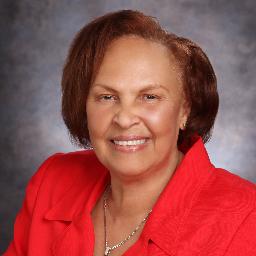
California · 20 yrs exp
LMFT in California - Multicultural and relationship concerns
Stress, Anxiety · Relationship · Family · Parenting · +10 more
Read profile
United Kingdom · 12 yrs exp
BACP counsellor - Stress and LGBT concerns
Stress, Anxiety · LGBT · Relationship · Grief · +1 more
Read profile
Connecticut · 11 yrs exp
LCSW - Stress and Multicultural concerns
Stress, Anxiety · Addictions · LGBT · Depression · +10 more
Read profile
Minnesota · 5 yrs exp
LICSW - Anxiety and Trauma focused
Stress, Anxiety · LGBT · Trauma and abuse · Eating · +1 more
Read profile
United Kingdom · 9 yrs exp
BACP counsellor - multicultural and trauma concerns
Stress, Anxiety · Relationship · Trauma and abuse · Grief · +12 more
Read profile
Mississippi · 12 yrs exp
LCSW focusing on mood and multicultural concerns
Stress, Anxiety · Addictions · Anger · Self esteem · +12 more
Read profile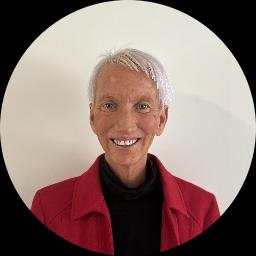
Pennsylvania · 15 yrs exp
Licensed counselor for anxiety and trauma
Stress, Anxiety · Trauma and abuse · Sleeping · Self esteem · +9 more
Read profile
Nebraska · 25 yrs exp
LMHP - Stress and Trauma focus
Stress, Anxiety · Family · Trauma and abuse · Parenting · +12 more
Read profile
New York · 22 yrs exp
LCSW - Relationships and Life Stress
Stress, Anxiety · Relationship · Parenting · Bipolar · +14 more
Read profile
Alabama · 40 yrs exp
Dr. Allen Stata - LICSW, stress and trauma
Stress, Anxiety · Family · Trauma and abuse · Bipolar · +14 more
Read profile
United Kingdom · 18 yrs exp
BACP counsellor - Multicultural and relationship concerns
Stress, Anxiety · LGBT · Family · Trauma and abuse · +16 more
Read profile
United Kingdom · 11 yrs exp
BACP counsellor - Multicultural and relationship concerns
Stress, Anxiety · Relationship · Family · Grief · +9 more
Read profile
Oklahoma · 15 yrs exp
Licensed Professional Counselor - Multicultural concerns and adult issues
Stress, Anxiety · Trauma and abuse · Grief · Self esteem · +12 more
Read profile
Mississippi · 10 yrs exp
LPC - Stress and multicultural concerns
Stress, Anxiety · Addictions · Anger · Self esteem · +9 more
Read profile
Oklahoma · 8 yrs exp
LPC helping adults with mood and relationship issues
Stress, Anxiety · Addictions · Self esteem · Depression · +11 more
Read profile
United Kingdom · 5 yrs exp
Counsellor - multicultural and relationship concerns
Stress, Anxiety · LGBT · Grief · Depression · +9 more
Read profile
United Kingdom · 5 yrs exp
Psychotherapist and counsellor - trauma and relationships
Stress, Anxiety · Family · Trauma and abuse · Anger · +8 more
Read profile
Connecticut · 8 yrs exp
Licensed Professional Counselor - Relationship and Mood concerns
Stress, Anxiety · LGBT · Relationship · Depression · +1 more
Read profile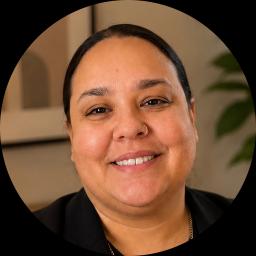
Texas · 4 yrs exp
LCSW - Mood and multicultural concerns
Stress, Anxiety · LGBT · Trauma and abuse · Bipolar · +5 more
Read profile
Louisiana · 11 yrs exp
LCSW - Stress and LGBTQ concerns
Stress, Anxiety · Addictions · LGBT · Trauma and abuse · +12 more
Read profileWhen you search for a therapist with LGBT experience and attention to cultural identity, you may be carrying multiple interwoven concerns. Some people want support exploring sexual orientation or gender identity in the context of family expectations, faith, or ethnic community pressures. Others are navigating migration or acculturation - the process of adjusting to a new country, language, and social norms - while also managing identity development. Intergenerational dynamics often appear, with different family members holding varied beliefs that shape conversations about acceptance, roles, and responsibilities. Discrimination stress can be a daily reality, whether it is overt hostility, subtle bias, or chronic microaggressions, and feeling understood about those harms is commonly central to choosing a provider.
You may also be thinking about practical matters such as whether a therapist speaks your preferred language, has experience working with people from similar cultural backgrounds, or is comfortable discussing gender-affirming steps or relationship arrangements. Keep in mind that a listed topic on a profile signals a focus area that the practitioner includes - it does not confirm that they work with every population, age group, or family configuration. You should discuss your specific needs with any therapist you consider.
The connection between LGBT identity and cultural background can take many forms and it varies from person to person. For you, cultural identity might mean national origin, ethnicity, religion, language, migration history, socioeconomic background, or a combination of these. Each aspect can influence how you experience your sexual orientation or gender identity and how others respond. For example, migration can complicate coming out because of transnational family ties, different legal protections, or varying social norms in your country of origin. Acculturation stress - the pressure to adapt to new cultural expectations while maintaining ties to your heritage - can make identity exploration especially complex.
Therapists who list multicultural concerns on their profiles are indicating they include cultural identity as part of their focus areas. That does not guarantee shared lived experience or particular training. It does mean that you can look for profiles that explicitly name concerns such as migration, intergenerational conflict, faith-based questions, or language needs. When cultural identity intersects with LGBT topics, you may want to prioritize practitioners who acknowledge that intersection rather than treating identity components in isolation.
When you review a profile, prepare concrete questions that reveal how a therapist approaches the aspects most important to you. You might ask about their experience with people who share your cultural background or migration history and how they address acculturation-related stress. If family expectations are central to your situation, ask whether they work with intergenerational or family concerns and how they typically engage family members when needed. For clinical approach, you can inquire about therapies the practitioner lists - for example, you might ask how they use approaches such as cognitive-behavioral strategies, narrative work, or trauma-informed practices and request examples of how those methods are adapted for cultural context. Remember to phrase these as questions about approach, not as assumptions about the therapist's qualifications.
Be mindful of distinctions between academic degrees and professional authorization. A profile may list degrees such as PhD, PsyD, MD, MA, or MSW; those are academic or clinical credentials but do not by themselves confirm current permission to practice. In the United States, you can ask about state licensure and the specific credential used in that state. In the United Kingdom, practitioners may hold registration or membership with relevant professional bodies, and in Australia you can ask about national registration or membership in professional associations. These inquiries help you understand the therapist's formal standing in their jurisdiction without presuming uniform terminology across countries.
If you are considering remote sessions, there are practical topics to address so you know what to expect. Ask the therapist about the session format they typically use for remote work and any preferences they have for video, phone, or messaging. Clarify the geographic limits of their practice - some practitioners can only provide care within certain states, regions, or countries - and confirm that the therapist can legally work with clients in your listed location. You should also discuss emergency procedures and how to handle urgent concerns when you are not in the same area, including what local resources might be appropriate for your situation.
Technology and privacy are also worth talking about. Ask what platform they use for remote meetings and how your information is handled during and after sessions. Discuss whether they provide guidance for finding a quiet or comfortable environment for sessions, and ask about what to do if a connection drops or you experience technical difficulties. These conversations help you decide whether a remote arrangement will suit your needs and comfort level before you begin.
As you browse profiles, compare items that are likely to affect your experience. Look at the focus areas a therapist lists - if multicultural concerns, migration, intergenerational issues, or discrimination stress are named, note how they describe those interests. Pay attention to the languages spoken and whether the profile indicates work in a language other than English; language can shape nuance and comfort when discussing intimate parts of identity. Review academic degrees separately from registration or licensure details and look for clear statements about the jurisdiction in which the practitioner practices. If a profile lists therapeutic approaches, remember that this notes what the therapist may use or offer and does not prove specific training or certification.
Think about the tone and language used in profiles and how it aligns with your preferences. Some practitioners describe a more directive, skills-based approach while others emphasize exploratory, narrative, or relational work. If community context matters to you, look for profiles that mention experience with discrimination stress or advocacy-informed practice, and prepare questions about how that perspective shows up in sessions. Finally, remember that a listed topic does not establish that a therapist treats children, couples, or families; if those are concerns for you, ask directly about scope and experience during your initial conversation.
Use the profile grid above to narrow options based on the specific combination of LGBT focus and cultural concerns that matter to you. Comparing listed focus areas, languages, academic qualifications, and stated approaches will help you form targeted questions for any practitioner you consider. Starting with clear, practical inquiries about experience, jurisdictional standing, session format, and how they address the cultural elements of your story will make it easier to find a professional whose profile aligns with your needs.
Alabama
21 therapists
Alaska
5 therapists
Arizona
17 therapists
Arkansas
7 therapists
Australia
62 therapists
California
183 therapists
Colorado
37 therapists
Connecticut
13 therapists
Delaware
5 therapists
District of Columbia
7 therapists
Florida
189 therapists
Georgia
51 therapists
Hawaii
11 therapists
Idaho
9 therapists
Illinois
73 therapists
Indiana
17 therapists
Iowa
7 therapists
Kansas
9 therapists
Kentucky
19 therapists
Louisiana
44 therapists
Maine
2 therapists
Maryland
33 therapists
Massachusetts
22 therapists
Michigan
54 therapists
Minnesota
23 therapists
Mississippi
20 therapists
Missouri
31 therapists
Montana
7 therapists
Nebraska
7 therapists
Nevada
15 therapists
New Hampshire
4 therapists
New Jersey
45 therapists
New Mexico
10 therapists
New York
111 therapists
North Carolina
81 therapists
North Dakota
2 therapists
Ohio
29 therapists
Oklahoma
32 therapists
Oregon
14 therapists
Pennsylvania
60 therapists
Rhode Island
3 therapists
South Carolina
23 therapists
South Dakota
1 therapist
Tennessee
26 therapists
Texas
238 therapists
United Kingdom
296 therapists
Utah
11 therapists
Vermont
1 therapist
Virginia
38 therapists
Washington
21 therapists
West Virginia
1 therapist
Wisconsin
21 therapists
Wyoming
4 therapists