
Harjit Kundi
BACPUnited Kingdom · 3 yrs exp
BACP counsellor - stress and LGBTIAQ+ concerns
Stress, Anxiety · Addictions · LGBT · Trauma and abuse · +16 more
Read profileTherapists who list culture, faith and migration among their work. An independent directory, not a crisis service.
Need help now?Therapist listings are provided by BetterHelp. We will earn a commission at no additional cost to you if you use our links to purchase.
This page gathers profiles of clinicians who list grief alongside cultural and multicultural concerns. Compare listed location, focus areas, languages, credentials, and therapeutic approaches, then browse profiles to find a potential match.
United Kingdom · 3 yrs exp
BACP counsellor - stress and LGBTIAQ+ concerns
Stress, Anxiety · Addictions · LGBT · Trauma and abuse · +16 more
Read profile
California · 14 yrs exp
Licensed Clinical Social Worker - Trauma and Life Changes
Stress, Anxiety · Trauma and abuse · Grief · Self esteem · +8 more
Read profile
Kansas · 12 yrs exp
LSCSW - Family and Trauma care
Family · Trauma and abuse · Grief · Parenting · +1 more
Read profile
United Kingdom · 15 yrs exp
Counsellor - Multicultural concerns and relationships
Stress, Anxiety · Self esteem · Career · Coping with life changes · +15 more
Read profile
Massachusetts · 30 yrs exp
LMFT and LMHC - Multicultural and family concerns
Addictions · Family · Trauma and abuse · Grief · +16 more
Read profile
United Kingdom · 3 yrs exp
BACP counsellor - Anxiety and trauma support
Stress, Anxiety · Relationship · Trauma and abuse · Grief · +1 more
Read profile
Minnesota · 15 yrs exp
Licensed Professional Clinical Counselor - Multicultural concerns
Stress, Anxiety · Relationship · Grief · Eating · +1 more
Read profile
Massachusetts · 40 yrs exp
LICSW - Anxiety and Relationship Concerns
Stress, Anxiety · Addictions · LGBT · Relationship · +15 more
Read profile
United Kingdom · 19 yrs exp
BACP counsellor - trauma and anxiety
Stress, Anxiety · Trauma and abuse · Grief · Self esteem · +12 more
Read profile
United Kingdom · 8 yrs exp
BACP counsellor - anxiety and trauma
Stress, Anxiety · Trauma and abuse · Self esteem · Depression · +12 more
Read profile
Australia · 21 yrs exp
ACA counsellor - Stress and relationships
Stress, Anxiety · Relationship · Trauma and abuse · Grief · +1 more
Read profile
United Kingdom · 3 yrs exp
BACP counsellor - stress and multicultural concerns
Stress, Anxiety · Trauma and abuse · Self esteem · Depression · +10 more
Read profile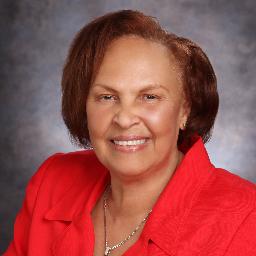
California · 20 yrs exp
LMFT in California - Multicultural and relationship concerns
Stress, Anxiety · Relationship · Family · Parenting · +10 more
Read profile
United Kingdom · 14 yrs exp
BACP counsellor - grief and parenting support
Grief · Parenting · Self esteem · Depression · +4 more
Read profile
United Kingdom · 12 yrs exp
BACP counsellor - Stress and LGBT concerns
Stress, Anxiety · LGBT · Relationship · Grief · +1 more
Read profile
Connecticut · 11 yrs exp
LCSW - anxiety and relationship concerns
Stress, Anxiety · Relationship · Family · Grief · +12 more
Read profile
Alabama · 40 yrs exp
LMFT in Alabama - Multicultural and relationship concerns
Stress, Anxiety · Addictions · Grief · Parenting · +6 more
Read profile
Colorado · 6 yrs exp
Licensed Professional Counselor - Trauma and Multicultural concerns
Trauma and abuse · Grief · Intimacy-related issues · Self esteem · +1 more
Read profile
United Kingdom · 8 yrs exp
Counsellor - anxiety and multicultural concerns
Stress, Anxiety · Grief · Self esteem · Depression · +10 more
Read profile
United Kingdom · 7 yrs exp
Psychodynamic counsellor - trauma and relationships
Stress, Anxiety · Relationship · Trauma and abuse · Grief · +1 more
Read profile
Connecticut · 11 yrs exp
LCSW - Stress and Multicultural concerns
Stress, Anxiety · Addictions · LGBT · Depression · +10 more
Read profile
United Kingdom · 7 yrs exp
Registered counsellor - stress and relationships
Stress, Anxiety · Relationship · Family · Self esteem · +8 more
Read profile
New York · 35 yrs exp
LCSW-R in New York - Stress and trauma care
Stress, Anxiety · Trauma and abuse · Grief · Self esteem · +1 more
Read profile
United Kingdom · 5 yrs exp
BACP counsellor - Anxiety and grief
Stress, Anxiety · Trauma and abuse · Grief · Depression · +2 more
Read profileWhen you are looking for help with grief, you may be navigating intense emotions while also trying to preserve ties to family, faith, or cultural practices that matter to you. You might be grieving the loss of a person, a role, a community, or the life you expected. Cultural expectations - about mourning rituals, family responsibility, and emotional expression - often shape how you experience loss and what you want from support. You should expect to have opportunities to describe these social and cultural factors and to ask how a clinician approaches them.
Some people value an approach that explicitly explores cultural meaning, while others prioritize practical strategies for daily functioning during bereavement. Consider whether you want conversations about heritage, migration history, or intergenerational expectations to play a central role. You may also want to address stress that comes from discrimination or from feeling misunderstood by professionals and family members. Bringing these concerns into early conversations with a clinician helps you determine whether their style and focus align with your needs.
Grief does not occur in a cultural vacuum. Cultural identity influences rituals, whether mourning is public or personal, and what family members expect of one another after a loss. If you have a migration history or are negotiating acculturation, your grief may involve additional layers such as distance from homeland, disrupted rituals, or conflicts between generations about how to grieve. You should be able to explore how these factors interact without assuming they cause a particular reaction.
This directory groups profiles that list grief together with multicultural concerns so you can find clinicians who at least indicate an interest in discussions about culture. That listing is not evidence of specialist certification, a particular method, or a therapist’s own background. Profiles can help you identify professionals who list relevant focus areas like migration, acculturation, intergenerational family expectations, and stress from discrimination. Use those cues as starting points for inquiries rather than as guarantees about the clinician’s experience or perspective.
When you review a profile or make initial contact, having concrete questions will help you compare how clinicians think about grief in cultural contexts. You might ask how they typically invite conversations about cultural identity and whether they have worked with people from migration or refugee backgrounds. It is reasonable to ask whether they have experience addressing intergenerational differences in mourning practices or managing family expectations around caregiving and ritual. You can also ask about how they understand the impact of discrimination or microaggressions on the grieving process.
Ask about the kinds of approaches the clinician lists. For example, you could say, "I see you list narrative therapy among your approaches - how might that shape conversations about loss?" or "I notice you list EMDR among your approaches - how do you integrate that when grief is complex?" Phrase questions so the clinician can explain how their stated approaches might apply to your situation. Remember to differentiate between academic degrees and practice permissions by asking about professional regulatory standing in the clinician’s country and the meaning of the qualifications shown on their profile.
If you are considering remote work, discuss practical and safety topics before beginning. Confirm the clinician’s listed location and how time zones will be handled. Ask what technology they use and what to expect if a connection drops or a session needs to be rescheduled. It is also important to talk about how they manage crises or urgent concerns when you are not in the same jurisdiction, and to clarify any limits on the kinds of issues they will address online.
Bring up cultural logistics early if they matter to you. You may want to check whether the clinician is comfortable supporting cultural or faith-based rituals virtually, or whether they can help you identify local supports for in-person practices. Discuss language preferences and whether the clinician lists additional languages on their profile. If cultural safety for you includes a preference for someone who shares or understands specific traditions, ask how the clinician approaches cross-cultural understanding and whether they will involve family members or community supports when appropriate.
Profiles are a tool for comparison. Look at the combination of focus areas a clinician lists - grief together with migration or intergenerational issues may indicate a readiness to discuss those themes. Pay attention to declared languages, which can make communication feel more natural when your primary language is not the predominant language of the listed location. A profile that lists languages can help you decide which clinicians to contact for initial conversations.
Examine credentials on profiles with care. Degrees such as PhD, PsyD, MD, MA, and MSW describe academic qualifications but do not by themselves indicate regulatory permission to practice. Licensing, registration, or professional memberships vary by country. In the United States, practitioners typically hold state licenses; in the United Kingdom and Australia, clinicians may be registered or hold professional memberships with national bodies. If the difference matters to you, ask about the clinician’s current regulatory or professional standing for their listed location.
Finally, look for language on profiles that describes therapeutic style and the populations a clinician commonly works with. That language can help you anticipate whether they will take a more exploratory approach to meaning and ritual or a more pragmatic focus on coping and daily routines. Remember that a listed topic does not establish that the therapist treats children, couples, or families. Use the profile to identify which clinicians you want to contact, prepare specific questions, and then have an initial conversation to see whether you feel understood and respected in the ways that matter most to you.
Alabama
21 therapists
Alaska
5 therapists
Arizona
17 therapists
Arkansas
7 therapists
Australia
62 therapists
California
183 therapists
Colorado
37 therapists
Connecticut
13 therapists
Delaware
5 therapists
District of Columbia
7 therapists
Florida
189 therapists
Georgia
51 therapists
Hawaii
11 therapists
Idaho
9 therapists
Illinois
73 therapists
Indiana
17 therapists
Iowa
7 therapists
Kansas
9 therapists
Kentucky
19 therapists
Louisiana
44 therapists
Maine
2 therapists
Maryland
33 therapists
Massachusetts
22 therapists
Michigan
54 therapists
Minnesota
23 therapists
Mississippi
20 therapists
Missouri
31 therapists
Montana
7 therapists
Nebraska
7 therapists
Nevada
15 therapists
New Hampshire
4 therapists
New Jersey
45 therapists
New Mexico
10 therapists
New York
111 therapists
North Carolina
81 therapists
North Dakota
2 therapists
Ohio
29 therapists
Oklahoma
32 therapists
Oregon
14 therapists
Pennsylvania
60 therapists
Rhode Island
3 therapists
South Carolina
23 therapists
South Dakota
1 therapist
Tennessee
26 therapists
Texas
238 therapists
United Kingdom
296 therapists
Utah
11 therapists
Vermont
1 therapist
Virginia
38 therapists
Washington
21 therapists
West Virginia
1 therapist
Wisconsin
21 therapists
Wyoming
4 therapists