
Harjit Kundi
BACPUnited Kingdom · 3 yrs exp
BACP counsellor - stress and LGBTIAQ+ concerns
Stress, Anxiety · Addictions · LGBT · Trauma and abuse · +16 more
Read profileTherapists who list culture, faith and migration among their work. An independent directory, not a crisis service.
Need help now?Therapist listings are provided by BetterHelp. We will earn a commission at no additional cost to you if you use our links to purchase.
Compare profiles of clinicians who list Depression and multicultural concerns to find therapists attentive to cultural identity, migration and family expectations. Browse profiles to review listed location, languages, approaches and credentials before reaching out to a clinician.
United Kingdom · 3 yrs exp
BACP counsellor - stress and LGBTIAQ+ concerns
Stress, Anxiety · Addictions · LGBT · Trauma and abuse · +16 more
Read profile
California · 14 yrs exp
Licensed Clinical Social Worker - Trauma and Life Changes
Stress, Anxiety · Trauma and abuse · Grief · Self esteem · +8 more
Read profile
Kansas · 12 yrs exp
LSCSW - Family and Trauma care
Family · Trauma and abuse · Grief · Parenting · +1 more
Read profile
United Kingdom · 15 yrs exp
Counsellor - Multicultural concerns and relationships
Stress, Anxiety · Self esteem · Career · Coping with life changes · +15 more
Read profile
Massachusetts · 30 yrs exp
LMFT and LMHC - Multicultural and family concerns
Addictions · Family · Trauma and abuse · Grief · +16 more
Read profile
Texas · 4 yrs exp
Licensed Clinical Social Worker - Stress and Anxiety
Stress, Anxiety · Self esteem · Depression · Coping with life changes
Read profile
United Kingdom · 3 yrs exp
BACP counsellor - Anxiety and trauma support
Stress, Anxiety · Relationship · Trauma and abuse · Grief · +1 more
Read profile
Louisiana · 3 yrs exp
Licensed Professional Counselor - Stress and Trauma
Stress, Anxiety · Relationship · Trauma and abuse · Depression · +1 more
Read profile
Massachusetts · 40 yrs exp
LICSW - Anxiety and Relationship Concerns
Stress, Anxiety · Addictions · LGBT · Relationship · +15 more
Read profile
Texas · 14 yrs exp
Licensed Professional Counselor - Family and Life Changes
Family · Parenting · Self esteem · Career · +3 more
Read profile
United Kingdom · 19 yrs exp
BACP counsellor - trauma and anxiety
Stress, Anxiety · Trauma and abuse · Grief · Self esteem · +12 more
Read profile
United Kingdom · 8 yrs exp
BACP counsellor - anxiety and trauma
Stress, Anxiety · Trauma and abuse · Self esteem · Depression · +12 more
Read profile
Australia · 3 yrs exp
AASW social worker - trauma and mood support
Trauma and abuse · Self esteem · Bipolar · Depression · +1 more
Read profile
United Kingdom · 3 yrs exp
BACP counsellor - stress and multicultural concerns
Stress, Anxiety · Trauma and abuse · Self esteem · Depression · +10 more
Read profile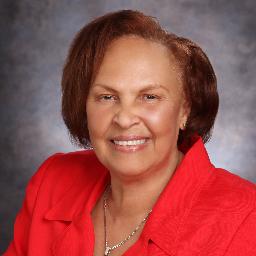
California · 20 yrs exp
LMFT in California - Multicultural and relationship concerns
Stress, Anxiety · Relationship · Family · Parenting · +10 more
Read profile
United Kingdom · 14 yrs exp
BACP counsellor - grief and parenting support
Grief · Parenting · Self esteem · Depression · +4 more
Read profile
United Kingdom · 12 yrs exp
BACP counsellor - Stress and LGBT concerns
Stress, Anxiety · LGBT · Relationship · Grief · +1 more
Read profile
Louisiana · 10 yrs exp
Licensed Professional Counselor - Stress and Trauma
Stress, Anxiety · Trauma and abuse · Self esteem · Depression · +1 more
Read profile
Connecticut · 11 yrs exp
LCSW - anxiety and relationship concerns
Stress, Anxiety · Relationship · Family · Grief · +12 more
Read profile
Alabama · 40 yrs exp
LMFT in Alabama - Multicultural and relationship concerns
Stress, Anxiety · Addictions · Grief · Parenting · +6 more
Read profile
United Kingdom · 8 yrs exp
Counsellor - anxiety and multicultural concerns
Stress, Anxiety · Grief · Self esteem · Depression · +10 more
Read profile
Indiana · 13 yrs exp
LMHC and LPC - Anxiety and Relationships
Stress, Anxiety · Relationship · Trauma and abuse · Self esteem · +1 more
Read profile
Connecticut · 11 yrs exp
LCSW - Stress and Multicultural concerns
Stress, Anxiety · Addictions · LGBT · Depression · +10 more
Read profile
Pennsylvania · 15 yrs exp
Licensed counselor - stress and relationships
Stress, Anxiety · Relationship · Family · Self esteem · +1 more
Read profileWhen you are coping with low mood, loss of interest or other experiences commonly described as depression, cultural context often shapes how symptoms appear, how you make sense of them and how you prefer to seek help. Your cultural identity may include ethnicity, language, religion or faith, migration history and the traditions of your family and community. Migration and acculturation may add layers of adjustment - learning new social rules, balancing expectations from different generations, and managing the practical challenges of relocation. Those pressures can affect sleep, appetite, motivation and relationships, and they may change the ways you talk about emotional pain or ask for support.
Experiences of discrimination, stereotyping or exclusion can also compound feelings of isolation and hopelessness. You may be looking for a clinician who understands how social stressors intersect with emotional distress so you feel heard about both your mood and the identity-based pressures you face. In many cultures, family expectations, obligations and intergenerational roles are central to daily life; these influences can shape what recovery or coping looks like for you. A therapist who acknowledges these realities can help you explore options that fit your values, whether that means drawing on cultural strengths, reframing expectations within your family, or finding ways to communicate needs more effectively.
This page groups profiles of clinicians who list Depression among their focus areas and also list multicultural concerns or cultural identity work. That grouping is a way to narrow your search, not a statement about clinical certification or outcomes. Profiles on CulturalTherapists.org indicate what a clinician lists as areas of interest or approach; those listings do not establish a therapist's scope of practice, years of experience with a specific population, or any formal credential beyond what appears in the profile. You should treat each profile as a starting point for questions rather than definitive proof of suitability.
Profiles show listed location and may note the professional credentials a clinician reports, such as academic degrees like PhD, PsyD, MD, MA or MSW. Those degrees describe education and training pathways, but a degree alone does not guarantee current permission to practise. In the United States, clinicians typically hold a professional license that permits clinical practice in a particular state. In the United Kingdom and Australia, clinicians may be registered with or be members of professional bodies that set standards and ethical codes. When reviewing profiles, note how a clinician describes their credentials and whether they specify licensure, registration or membership relevant to the listed location.
As you open a profile, think about concrete questions you can ask a clinician before you decide to contact them. You might ask how they work with people from your cultural background and whether they have experience with migration, acculturation or intergenerational family issues. If language matters, ask which languages they work in and whether the language you need is used directly in sessions. If you use particular terms to describe your experience, ask whether those terms are familiar to them and how they usually explore those experiences with clients.
Inquire about therapeutic approaches in a way that clarifies options rather than presuming training. For example, you can ask whether the clinician often integrates trauma-informed perspectives, narrative approaches that honor personal stories, culturally adapted cognitive strategies, or whether they are comfortable discussing cultural practices that matter to you. If a profile lists specific modalities, ask for more detail by saying something like "I see you list EMDR among your approaches - can you tell me how you decide when to use that approach and how you adapt it for cultural context?" That phrasing keeps the focus on how the clinician uses an approach rather than assuming credentials.
It is also appropriate to ask about scope of practice. A listed topic does not establish that a clinician treats children, couples or families. If you have specific needs - adolescent care, relationship work, or involvement of extended family - ask whether those are part of the clinician's practice. Clarify how they understand the interaction between cultural values and clinical goals so you can evaluate fit beyond surface labels.
If you plan to connect remotely, there are several practical and relational matters to raise so the first meeting is productive. Discuss communication preferences such as language and whether you prefer more directive guidance or an exploratory conversational style. Ask how the clinician handles emergency situations when you are not in the same jurisdiction, and whether they can provide guidance about local resources in your listed location should you need immediate assistance. Confirm any time zone differences that might affect scheduling so that appointments align with your daily routine.
Bring up privacy-related concerns in the sense of finding a comfortable environment - for example, whether the clinician has suggestions for creating a personal setting at home or whether they can suggest alternatives if you lack a quiet space. If cultural rituals or religious practices play a part in how you manage emotional distress, mention those so the clinician can incorporate them into planning. Finally, discuss how you and the clinician will evaluate progress and whether you will periodically revisit goals in light of cultural priorities, family expectations or shifts in life circumstances such as migration, schooling or employment changes.
When you compare profiles, look beyond headline labels to the descriptive details. Focus areas that include Depression and multicultural concerns suggest the clinician has chosen to highlight those topics, but profiles vary in specificity. Some clinicians describe populations they work with, such as migrants, second-generation families, or particular faith communities. Others note the languages they speak or the cultural frameworks they draw on when working with clients. Use those details to shortlist clinicians whose profiles mention elements that resonate with your experience.
Pay attention to the way credentials are presented. Academic degrees such as PhD, PsyD, MD, MA or MSW communicate educational background. Statements about licensure, registration or membership tell you about formal permission to practise where that clinician works. In the United States, ask whether the clinician holds a license in the state indicated in the listed location. In the United Kingdom and Australia, ask whether they are registered with or members of a relevant professional body. These distinctions are important when you are narrowing your search, but they are one part of evaluating fit alongside language, cultural understanding and therapeutic style.
Consider style and interpersonal fit as you read profiles. Some clinicians describe a collaborative, strengths-based way of working that foregrounds cultural identity and family systems. Others may emphasize structured approaches or short-term problem solving. If a profile lists particular techniques or schools of thought, remember to ask how those are adapted for cultural context by asking, for example, how they work with clients who have experienced discrimination or how they support intergenerational family conversations. Profiles can help you formulate the right questions so that your initial contact clarifies the clinical approach and how it might connect with your values.
Finding the right clinician is often a process of matching priorities. Use profiles to compare focus areas, languages, listed location and described approach. Prepare questions that matter to you and reach out to learn how a clinician thinks about cultural identity, migration and family expectations in the work they do. That conversation will give you the clearest sense of whether a clinician's style and experience align with your needs.
As you move from browsing to contacting clinicians, keep your inquiries specific and organized. Mention your listed location when relevant, note any language preferences, and briefly describe the cultural concerns you want to address. Ask the practical questions outlined above so you can compare responses across profiles and choose who you want to speak with further. Remember that a profile offers a snapshot - the best way to assess fit is through a conversation where you can explore how a clinician would approach your particular situation.
Use the directory to gather options and to identify clinicians who explicitly list Depression and multicultural concerns. From there, a few targeted questions will help you determine whether a clinician’s cultural understanding, professional credentials and interpersonal style align with what you are looking for. Taking that careful, informed approach can help you find a clinician who listens to both the emotional and cultural dimensions of your experience.
Alabama
21 therapists
Alaska
5 therapists
Arizona
17 therapists
Arkansas
7 therapists
Australia
62 therapists
California
183 therapists
Colorado
37 therapists
Connecticut
13 therapists
Delaware
5 therapists
District of Columbia
7 therapists
Florida
189 therapists
Georgia
51 therapists
Hawaii
11 therapists
Idaho
9 therapists
Illinois
73 therapists
Indiana
17 therapists
Iowa
7 therapists
Kansas
9 therapists
Kentucky
19 therapists
Louisiana
44 therapists
Maine
2 therapists
Maryland
33 therapists
Massachusetts
22 therapists
Michigan
54 therapists
Minnesota
23 therapists
Mississippi
20 therapists
Missouri
31 therapists
Montana
7 therapists
Nebraska
7 therapists
Nevada
15 therapists
New Hampshire
4 therapists
New Jersey
45 therapists
New Mexico
10 therapists
New York
111 therapists
North Carolina
81 therapists
North Dakota
2 therapists
Ohio
29 therapists
Oklahoma
32 therapists
Oregon
14 therapists
Pennsylvania
60 therapists
Rhode Island
3 therapists
South Carolina
23 therapists
South Dakota
1 therapist
Tennessee
26 therapists
Texas
238 therapists
United Kingdom
296 therapists
Utah
11 therapists
Vermont
1 therapist
Virginia
38 therapists
Washington
21 therapists
West Virginia
1 therapist
Wisconsin
21 therapists
Wyoming
4 therapists