- Client-Centered Therapy
- CBT techniques
- Psychodynamic ideas
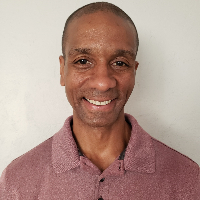
About Reggie
Reggie Thirus is a Licensed Professional Counselor (LPC) in Wisconsin with six years of clinical counseling experience. He works with adults facing stress, anxiety, depression, trauma and abuse, relationship and intimacy concerns, addictions, LGBT matters, grief, parenting and career questions. He also lists support for ADHD, bipolar mood concerns, and coping with life changes.
Reggie uses straightforward, person-focused methods in sessions. He leans on client-centered work to listen and reflect what matters most to the client. He combines that with cognitive behavioral techniques to address thinking and behavior patterns. He also brings psychodynamic ideas to look at recurring patterns that show up in relationships.
Sessions aim to clarify goals and try practical steps between meetings. Reggie helps people sketch small experiments and new habits they can test in daily life. Conversations cover emotions, boundaries, communication, and decisions about work or relationships.
He notes experience with a broad range of concerns including intimacy-related issues, family and family of origin problems, grief, substance use, gender dysphoria, and sexual culture topics such as kink and BDSM. Reggie also lists focus areas like abandonment, impulsivity, and co-morbidity when multiple concerns overlap.
Outside of work he enjoys workouts, walking, food and music. To begin, readers should confirm current session options and booking steps before scheduling a first appointment.
How his approaches are used in online sessions
Client-Centered Therapy focuses on listening and reflecting so clients can decide what matters most. In online work this looks like open conversation about goals and what feels important in daily life. Cognitive Behavioral Therapy (CBT) helps identify unhelpful thoughts and test new behaviors; online meetings can include concrete exercises and skill practices to try between sessions. Psychodynamic ideas look at repeating patterns and early relationship themes that affect present-day choices and interactions.Finding the right approach is a collaborative process. The therapist will talk with the client about their goals, needs and preferences and then try methods that make sense for those aims. They will adjust techniques over time based on what helps and what does not.
Confirm the current session options before booking, since specific formats are not listed here. Online sessions can make it easier to fit therapy into a busy schedule, reduce travel time, and allow shorter check-ins when needed. They can also let someone choose audio-only if they prefer not to use video or pick times that better match work and family responsibilities.
Areas of expertise
Primary focus
Also works with
Additional focus areas
Therapeutic approaches
Experience
6+ years
Credentials
Wisconsin
Languages
English
Frequently asked questions
What concerns does he address?
He addresses stress, anxiety, depression, trauma and abuse, addictions, relationship and intimacy issues, LGBT concerns, grief, parenting and career questions, among others.
What is his therapeutic style?
He uses a client-centered approach combined with cognitive behavioral techniques and psychodynamic ideas to work on thinking patterns and recurring relationship themes.
How much clinical experience does he have?
He has six years of counseling experience and over ten years in helping professions overall.
What credential does he hold and where is he based?
He is a Licensed Professional Counselor (LPC) licensed in Wisconsin and practices from that state.
Which languages are supported?
Sessions are offered in English.
Can international clients work with him?
He accepts international clients.
How are sessions paid for?
Cost varies with location and sessions use a subscription model that can be canceled at any time.
How do I begin the process?
Select the See online therapy options button, complete a short matching questionnaire, and schedule a first session.