- Stress and anxiety
- Trauma and dissociation
- EMDR and DBT informed
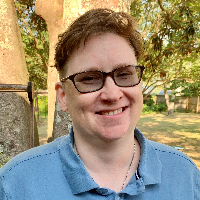
About Heather
Heather Scarboro is a Licensed Clinical Mental Health Counselor (LCMHC) practicing in North Carolina with 10 years of experience. She works with adults on concerns including stress, anxiety, addictions, trauma and abuse, depression, relationship and family struggles, grief, and identity-related issues such as LGBT concerns. Heather lists ADHD, bipolar disorder, and compassion fatigue among the issues she supports.
She frames work around collaboration and practical strategies. Sessions often include talking through immediate problems, building coping skills, and using emotion-focused work for relationship and intimacy issues. Heather also draws on approaches that address traumatic memories and dissociation when those are present.
Her background includes work in elder care, community mental health, and university settings. She has experience with frontline workers and with people from LGBTQIAP+ and plural communities. Heather shares that her own lived experience with dissociation shapes her advocacy and informs how she talks about trauma in session.
Her practice uses evidence-informed methods such as EMDR, clinical hypnosis, mindfulness-informed cognitive behavioral techniques, and expressive arts approaches. Those methods are used alongside client-centered conversation and skills work. She also integrates emotion-focused ideas to help people repair or clarify important relationships.
Outside of clinical work Heather engages in songwriting, music, and dance, and she participates in public education about dissociative disorders through blogs, talks, and podcasts. Prospective clients are encouraged to confirm current session options before booking.
Approaches you might work with online
Client-Centered Therapy focuses on listening and helping a person guide the work. The therapist follows the person's concerns and supports them in making choices and noticing what matters most. Dialectical Behavior Therapy, or DBT, teaches concrete skills like distress tolerance, emotion regulation, and interpersonal effectiveness that help with intense emotions and relationship strain. EMDR is a trauma-focused method used to process distressing memories; it involves guided attention and memory work to reduce the intensity of traumatic material.Choosing the right approach is part of the process. Heather will work with each person to figure out which methods fit their goals and preferences. That conversation can include trying different techniques and checking in about what helps most.
The biography does not specify session formats, so confirm current options before booking. Online sessions can make it easier to fit therapy into a busy life - for example by cutting travel time, allowing shorter check-ins during a work break, or letting someone join from a quieter setting. These practical benefits can help people maintain consistency with skills practice and follow-up work between sessions.
Areas of expertise
Primary focus
Also works with
Additional focus areas
Therapeutic approaches
Experience
10+ years
Credentials
North Carolina
Languages
English
Frequently asked questions
What kinds of concerns does she address?
She works with stress, anxiety, addictions, trauma and abuse, depression, relationship and family issues, grief, and LGBTQ concerns among other areas listed in her specialties.
How would she describe her therapy style?
Her approach is collaborative and practical, combining client-centered conversation with skills training and emotion-focused techniques.
What relevant experience does she have?
She has 10 years of practice experience and has worked in elder care, community mental health, and university settings, and with frontline workers.
What credentials and location are listed?
She is an LCMHC licensed in North Carolina and practices there.
Which languages and international work are supported?
Sessions are offered in English and she accepts international clients.
What session formats are available?
The original biography does not list specific session formats; please confirm current session options before booking.
How does pricing work?
Cost varies with location and sessions use a subscription model that can be canceled at any time.
How do I get started with her practice?
Select the See online therapy options button, complete a short matching questionnaire, and schedule a first session.