- Mindfulness practice
- DBT informed skills
- Motivational interviewing
About Graham
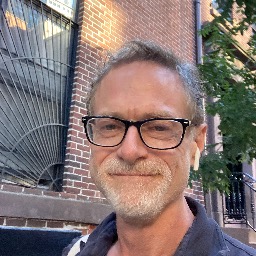
Graham Harriman is an LPC (Licensed Professional Counselor) based in Oregon with 14 years of clinical experience. He works with people facing depression, anxiety, trauma and abuse, substance use and addiction, relationship and intimacy concerns, LGBT and sexuality issues, and multicultural concerns. He also addresses grief, career questions, ADHD, and stress-related problems.
He uses a mix of client-centered work, mindfulness, and existential thinking. Sessions often look at how people relate to themselves and to others. He includes mind/body awareness and a non-religious spiritual perspective when it fits a person's goals.
Graham has experience beyond the therapy room in program management, public health direction, and community services planning. That background includes working with people affected by HIV and coordinating services across agencies. He has also coauthored a book on mutual aid and AIDS called The Healing Power of Community: Mutual Aid, AIDS, and Social Transformation in Psychology.
In practice he brings practical techniques alongside reflective conversation. That means using mindfulness exercises, motivational interviewing to explore change, and DBT-informed skills when emotional regulation is needed. He also draws on narrative work to help people reframe their stories.
People who want to talk about sexual identity, kink and alternative sex culture, or substance harm reduction may find his experience relevant. He also helps with end-of-life and hospice related concerns, aging issues, and immigration-related stress.
To begin, a short matching questionnaire and a scheduled first session are used to get started. Fees vary by location and sessions use a subscription model that can be canceled at any time.
Therapeutic approaches and how online sessions work
Graham uses client-centered work that focuses on listening and responding to what matters most to the person. This approach emphasizes collaboration and helps people set goals and make choices that fit their life.He also draws on Dialectical Behavior Therapy (DBT) principles when emotional regulation is a concern. That means practicing concrete skills for managing intense feelings, improving interpersonal effectiveness, and handling distress without harmful behaviors.
Existential therapy is another strand of his work. It invites reflection on meaning, values, and how people face life transitions or losses. This can help when questions about purpose, aging, or end-of-life matters are present.
Finding the right approach is part of the process. The therapist will work together with the client to try methods that align with their goals and preferences and will adjust the plan as needs change.
Session formats are not specified in the biography, so confirm current options before booking. Online sessions can make it easier to fit appointments into a busy week, reduce travel time, and allow shorter check-ins when schedules are tight. They can also let someone join from a location that has quieter surroundings or less background noise. Licensed professionals often combine reflective conversation with practical skills practice in online sessions to help address mood, relationship, and addiction concerns.
Areas of expertise
Primary focus
Also works with
Additional focus areas
Therapeutic approaches
Experience
14+ years
Credentials
Oregon
Languages
English
Frequently asked questions
What concerns does he address?
He works with addictions, depression, anxiety, trauma, relationship and intimacy issues, LGBT and sexuality questions, multicultural concerns, and related areas listed in his profile.
How would you describe his therapeutic style?
He blends client-centered listening with mindfulness, existential reflection, motivational interviewing, and some DBT-informed skills to help with emotion regulation.
How much clinical experience does he have?
He has 14 years of experience as a mental health practitioner, and has also worked in program management and public health roles.
What credential does he hold and where is he based?
He is an LPC (Licensed Professional Counselor) licensed in Oregon.
Which languages are supported?
Sessions are offered in English.
Can international clients work with him?
International clients are not currently accepted.
How are sessions billed and what do they cost?
Cost varies with location; sessions use a subscription model that can be canceled at any time.
How do I begin with him?
Select the See online therapy options button, complete a short matching questionnaire, and schedule a first session.