- Stress and anxiety
- Trauma and abuse
- Relationship issues
About Andromada
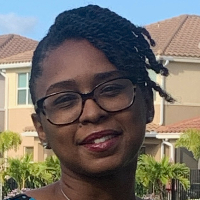
Andromada Brooks is a Licensed Mental Health Counselor (LMHC) in Florida with eight years of clinical experience. She works with people facing stress, anxiety, addiction, trauma and abuse, depression, bipolar disorder, ADHD, relationship challenges, grief, and issues around intimacy and self-esteem. She also lists concerns such as codependency, abandonment, communication problems, and coping with disaster among her focus areas.
Her approach blends several evidence-based methods. She draws on Acceptance and Commitment Therapy (ACT) and Cognitive Behavioral Therapy (CBT) to address unhelpful thoughts and build practical skills. She also uses Client-Centered Therapy and Dialectical Behavior Therapy (DBT) ideas to support emotional regulation and stronger relationships.
Brooks describes therapy as a collaborative process. She helps people name what is causing distress and then works with them to try new responses. Sessions emphasize noticing patterns, practicing new skills, and making choices that fit personal values.
She has worked in multiple settings with culturally diverse clients, and lists LGBT and family concerns among the issues she addresses. Sessions are offered in English, and she accepts international clients. Costs vary by location and are handled through a subscription that can be canceled at any time.
To begin, a person uses the site’s See online therapy options button, completes a short matching questionnaire, and schedules a first session. Prospective clients should confirm current session formats before booking.
How her approaches translate to online work
Acceptance and Commitment Therapy (ACT) helps people notice thoughts and feelings without getting stuck in them and then choose actions that reflect their values. ACT can be useful for anxiety, stress, and making life changes.Cognitive Behavioral Therapy (CBT) focuses on identifying unhelpful thoughts and testing them with practical experiments. CBT is often used for anxiety, depression, and problem behaviors such as substance use.
Client-Centered Therapy emphasizes a collaborative, respectful relationship where the therapist listens and reflects. This approach supports people who need a steady, non-directive space to sort out feelings and decisions.
Finding the right approach is part of the work together. The therapist will discuss goals, preferences, and what methods feel most helpful. That collaboration guides which techniques are used over time.
Session formats are not specified in the biography, so confirm current online options before booking. Online work can make it easier to fit sessions into a busy week, shorten check-ins when needed, and remove travel time. It also lets people try talking through intense material from wherever they are, and it can support consistent practice of skills between meetings.
Areas of expertise
Primary focus
Also works with
Additional focus areas
Therapeutic approaches
Experience
8+ years
Credentials
Florida
Languages
English
Frequently asked questions
What kinds of concerns does she address?
She works with stress, anxiety, addictions, trauma and abuse, depression, bipolar disorder, ADHD, self-esteem, grief, intimacy issues, anger, and relationship and family problems.
How would you describe her therapy style?
Her style combines acceptance-based and cognitive approaches with client-centered principles. She focuses on noticing patterns, practicing new skills, and aligning actions with personal values.
What experience does she bring?
She has eight years of clinical experience and has worked in a variety of settings with culturally diverse clients.
What are her credentials and where is she located?
She is a Licensed Mental Health Counselor (LMHC) licensed in Florida and practices from Florida.
Which languages are supported for sessions?
Sessions are offered in English.
Can international clients work with her?
She accepts international clients.
How are costs handled?
Cost varies with location and sessions use a subscription model that can be canceled at any time.
What is the process to get started?
Select the See online therapy options button, complete a short matching questionnaire, and schedule a first session.