- Stress and anxiety
- LGBT and gender
- CBT and DBT methods
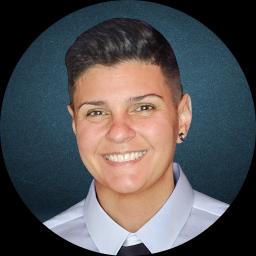
About Michelle
Michelle Harmolin is a Licensed Professional Counselor (LPC) practicing in New Jersey with eight years of clinical experience. She works with people facing stress, anxiety, anger, low self-esteem, depression, addictions, grief, parenting strain, and relationship or family conflict. Michelle also supports those dealing with identity questions, gender dysphoria, and LGBT-related concerns.
Her approach is straightforward and conversational. Sessions focus on developing clearer communication, strengthening coping skills, and reducing patterns that cause repeated pain. She uses practical tools drawn from client-centered work, cognitive behavioral strategies, dialectical behavior techniques, mindfulness, and motivational interviewing.
Michelle describes her practice as multicultural and affirming. She pays attention to how culture, faith, migration stories, race, or family background shape a person's experience and choices. That perspective informs how she frames goals and suggests next steps.
People can expect to work on concrete skills such as managing intense emotions, improving boundaries, and changing unhelpful thinking patterns. She helps clients address issues like abandonment, attachment difficulties, codependency, communication problems, impulsivity, and addiction-related behaviors.
Sessions combine talk and exercises, with short at-home practices when helpful. Michelle aims to help clients notice what is working, learn small behavior changes, and build better patterns over time.
How Michelle uses online approaches and therapy methods
Client-Centered Therapy focuses on listening and reflecting so clients feel understood and can discover their own solutions. It is useful when someone wants a therapist who prioritizes their perspective and personal goals. Cognitive Behavioral Therapy, or CBT, looks at thoughts and behaviors that keep problems going and teaches practical steps to change them; it is often used for anxiety, depression, and unhelpful thinking patterns. Dialectical Behavior Therapy, or DBT, combines skills training in emotion regulation, distress tolerance, and interpersonal effectiveness; it can help when emotions feel overwhelming or relationships are unstable.Deciding which approach to use is collaborative. Michelle will talk with the client about goals, try techniques, and adjust the plan based on what helps. The choice of methods often blends listening with skill practice and short at-home exercises to fit personal needs.
Session formats are not specified in the biography, so confirm current options before booking. Online sessions can make it easier to fit therapy into a busy life by removing travel time, allowing shorter check-ins when needed, or offering a way to continue work while relocating. Licensed professionals can use these formats to maintain momentum between sessions and practice new skills in day-to-day contexts.
Areas of expertise
Primary focus
Also works with
Additional focus areas
Therapeutic approaches
Experience
8+ years
Credentials
New Jersey
Languages
English
Frequently asked questions
What concerns does she address?
She works with stress, anxiety, anger, depression, self-esteem issues, addictions, grief, parenting strain, relationship and family conflict, and LGBT and gender dysphoria concerns.
How would you describe her therapeutic style?
Her style is conversational and practical, using client-centered listening plus cognitive and behavioral tools to teach coping skills and communication techniques.
How much experience does she have?
She has eight years of experience as a Licensed Professional Counselor working with adults on mood, identity, and relationship issues.
What credential and location does she hold?
She is an LPC licensed in New Jersey and works from that state.
Which languages are offered for sessions?
Sessions are offered in English.
Can international clients work with her?
International clients are not currently accepted.
How does cost and billing work?
Cost varies with location; sessions use a subscription that can be canceled at any time.
What are the first steps to begin therapy?
Select the See online therapy options button, complete a short matching questionnaire, and schedule a first session.