- Client-Centred Therapy
- Emotionally-Focused Therapy
- Multicultural concerns
About Dilshini
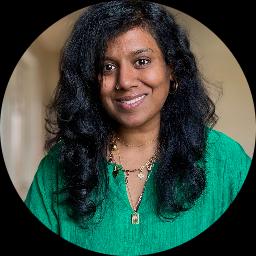
Dilshini Sandhu is a BACP counsellor based in the United Kingdom with six years' experience supporting adults. She works with stress, anxiety, trauma and abuse, grief, low self-esteem and depression. She also focuses on attachment and abandonment concerns, autism and Asperger syndrome, body image, chronic illness and pain, and relationship communication problems.
Dil studied Music and Psychology before completing an MSc in Psychology and Neuroscience at King’s College London. She trained as a psychotherapeutic counsellor at the Metanoia Institute and is currently undertaking a Doctorate in Counselling Psychology and Psychotherapy studying implicit bias and therapeutic relationships.
Her practice draws on client-centred ways of working and Emotionally-Focused Therapy to help people talk through difficult feelings. Sessions tend to centre on listening, reflecting back what matters, and helping people make sense of their experiences in everyday terms.
She is mindful of cultural context and how family expectations, migration, faith or race can shape stress and help-seeking. That perspective informs how conversations are held and which issues are prioritised in therapy.
In practical sessions she encourages people to name emotions, try small experiments between meetings, and notice patterns in relationships and behaviour. The emphasis is on clear, steady work rather than quick fixes. If someone wants to begin, the next step is to follow the online matching and booking process and arrange an initial appointment.
Therapeutic approaches and online sessions
Client-Centred Therapy focuses on offering a non-judgemental atmosphere where the counsellor mirrors what someone says and helps them clarify their feelings and choices. It is useful for people who want straightforward attention to how they feel and what matters to them.Emotionally-Focused Therapy (EFT) looks at how emotions shape interactions and attachment patterns. It helps people identify key feelings in relationships and try new ways of connecting or expressing needs.
Choosing the right approach is part of the work. The counsellor will talk with the person about goals, preferences and what has helped or not helped before. Decisions about methods are made together and can change as therapy progresses.
Session practicalities should be confirmed before booking because the biography does not list specific formats. Many people find online sessions make it easier to fit therapy into a busy week, allow shorter check-ins, or avoid travel time. If having camera off, lower bandwidth needs, or fitting sessions around work matters, mention that when you book so options can be discussed.
Areas of expertise
Additional focus areas
Therapeutic approaches
Experience
6+ years
Credentials
United Kingdom
Languages
English
Frequently asked questions
What issues does she work with?
She works with stress, anxiety, trauma and abuse, grief, self-esteem and depression, with additional focus on attachment, abandonment, body image, chronic illness, and related concerns.
What is her therapeutic style?
Her work is grounded in client-centred principles and Emotionally-Focused Therapy, with an emphasis on listening, reflection and exploring emotions in everyday language.
How much clinical experience does she have?
She has six years of experience working with adults on a range of emotional and relational difficulties.
What credentials and where is she based?
She holds BACP accreditation and works from the United Kingdom.
Which languages are sessions offered in?
Sessions are offered in English.
Can people outside the UK work with her?
She does not accept international clients.
How are sessions charged?
Costs vary by location and sessions use a subscription that can be cancelled at any time.
How do I begin a first session?
Choose the See online therapy options button, complete the short matching questionnaire, and schedule a first session through the booking process.