- Stress and anxiety
- Relationship issues
- ACT CBT DBT
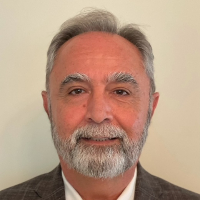
About Darius
Darius Entesary is a Licensed Professional Counselor (LPC) in Georgia with 26 years of clinical experience. He works with people facing depression, anxiety, relationship strain, trauma, and stress. He also helps with parenting concerns, addictions, grief, sexual and intimacy issues, and multicultural concerns.
He uses a humanistic, client-centered approach that emphasizes respect for each person. Sessions draw on practical techniques from cognitive behavioral therapy, dialectical behavior therapy, acceptance and commitment therapy, existential therapy, and mindfulness. Conversations are direct and focused on real day-to-day problems and steps that can change them.
In therapy he helps people identify what matters to them, notice unhelpful patterns, and try small behavior changes. He also supports work on emotional regulation skills, coping with past abuse, and managing relationship conflicts. He aims to reduce distress while increasing energy for everyday life.
He offers services in English and Persian and works with clients from varied cultural backgrounds. He accepts international clients and can speak about immigration and prejudice and discrimination as part of therapy when relevant.
Sessions use a subscription model that can be canceled at any time; costs vary with location. To begin, clients complete a short matching questionnaire and schedule a first session. Prospective clients should confirm current session options before booking.
Approaches used in online sessions
Acceptance and Commitment Therapy (ACT) focuses on clarifying personal values and taking small actions that align with those values. It can help when life feels stuck, when worry or low mood gets in the way of what matters, or when people want clearer direction and purpose.Client-Centered Therapy emphasizes listening and respect for the person’s perspective. It aims to help people feel heard and to build on their own strengths and choices when they face relationship, identity, or life transition concerns.
Cognitive Behavioral Therapy (CBT) looks at thought and behavior patterns and teaches practical skills to change them. It is often used for anxiety, depression, sleeping problems, and coping with stress.
Choosing the right approach happens together. The therapist will talk with the client about their goals, try methods that fit, and adjust based on what helps. That means sessions can mix techniques and evolve over time as needs change.
Session formats are not listed in the biography, so confirm the current options before booking. Online work can make it easier to fit therapy into a busy week, allow shorter check-ins when needed, and remove travel time. It also allows someone to meet with a licensed professional who speaks English or Persian even if they live elsewhere.
Areas of expertise
Primary focus
Also works with
Additional focus areas
Therapeutic approaches
Experience
26+ years
Credentials
Georgia
Languages
English, Persian
Frequently asked questions
What kinds of problems does he address?
He works with depression, anxiety, trauma and abuse, relationship and intimacy issues, grief, addictions, and related concerns such as parenting, anger, and sleeping problems.
How would you describe his therapeutic style?
His style is humanistic and client-centered, drawing on CBT, DBT, ACT, existential work, and mindfulness to focus on practical steps and coping skills.
How much experience does he have?
He has 26 years of experience working with a wide range of concerns, including trauma, relationship challenges, and midlife transitions.
What are his credentials and where is he based?
He is a Licensed Professional Counselor (LPC) licensed in Georgia and practices from that state.
Which languages are offered for sessions?
Sessions are offered in English and Persian.
Can international clients work with him?
Yes, he accepts international clients.
How does payment and cost work?
Cost varies with location and sessions use a subscription model that can be canceled at any time.
What do I do to get started?
Select the See online therapy options button, complete a short matching questionnaire, and schedule a first session.