- CBT techniques
- Mindfulness skills
- Motivational interviewing
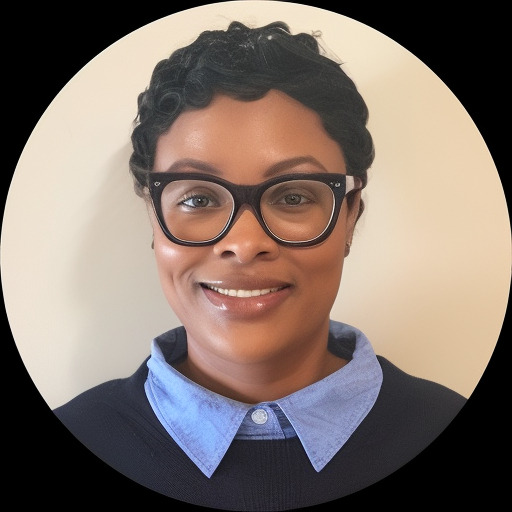
About Chanel
Chanel Day is a Licensed Mental Health Counselor (LMHC) based in New York with eight years of clinical experience. She works with adults on stress, anxiety, trauma and abuse, grief, bipolar disorder, and depression. Sessions focus on practical skills and clear steps clients can use day to day.
Day has worked in inpatient residential settings, in-home therapy, and outpatient clinics. That range means she is used to different treatment rhythms and to coordinating care across settings. She draws on evidence-based techniques to help people manage intense emotions and cope with life changes.
Her method is collaborative and client-centered. She combines Cognitive Behavioral Therapy with solution-focused ideas and mindfulness tools. These methods are used to identify unhelpful patterns, practice small changes, and develop coping strategies that can be tried between sessions.
She also uses trauma-informed care and motivational interviewing to support people processing past hurts and making behavioral changes. Psychoeducation and concrete coping skills are added for stress management, emotional regulation, and relapse prevention when relevant.
Chanel works in English and practices in New York. Her approach suits people who want a practical, skills-based process alongside space to talk through difficult experiences. To begin, the site asks visitors to complete a short matching questionnaire and schedule a first session.
How evidence-based approaches translate to online sessions
CBT is focused on identifying thinking patterns and testing small behavior changes. In practice that can mean setting specific homework, tracking moods, and using short in-session exercises to shift unhelpful thoughts. It is often used for anxiety, depression, and stress-related problems.Mindfulness-based strategies teach simple attention and breathing practices. These tools are useful for emotional regulation, grounding after trauma triggers, and reducing rumination. They are usually brief practices clients can repeat between meetings.
Trauma-informed care emphasizes safety, pacing, and choosing interventions that fit a persons readiness. It supports people who need careful pacing when working through painful memories or strong emotions.
Deciding which approaches to use is a collaborative process. The therapist will work with the client to match techniques to their goals, preferences, and what feels manageable. That match may change over time as progress is made.
The site asks clients to confirm session formats before booking. When exploring online options, consider practical benefits such as fitting sessions into a workday, avoiding travel time, or using shorter check-ins when a quick update is needed. These conveniences can make consistent care easier to maintain while you work on stress, mood, or trauma-related goals.
Areas of expertise
Primary focus
Additional focus areas
Experience
8+ years
Credentials
New York
Languages
English
Frequently asked questions
What concerns does she address?
She works with stress, anxiety, trauma and abuse, grief, bipolar disorder, and depression, plus related issues such as attachment, body image, and chronic illness.
What is her therapeutic style?
Her style is collaborative and client-centered, emphasizing practical skills and brief solution-focused steps alongside deeper processing when needed.
How much clinical experience does she have?
She has eight years of experience across inpatient residential care, in-home therapy, and outpatient settings.
What are her credentials and where does she practice?
She is a Licensed Mental Health Counselor (LMHC) practicing in New York.
Which languages are supported?
Sessions are offered in English.
Can international clients sign up?
International clients are not currently accepted.
How does payment and cost work?
Cost varies with location; sessions use a subscription model that can be canceled at any time.
What should I do to get started?
Select the See online therapy options button, complete the short matching questionnaire, and schedule a first session.