- Attachment-based work
- Client-centred approach
- Cognitive behavioural techniques
About Anastasia
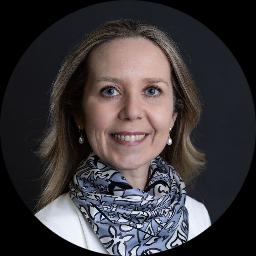
Anastasia Seale is a UK-qualified counsellor and a member of the British Association for Counselling and Psychotherapy (BACP). She has practised for seven years and works with adults, children and young people on issues such as anxiety, depression, grief, trauma and family conflict.
She uses a mix of approaches and adapts sessions to each person's needs. That can mean looking at attachment patterns that shape relationships. It can mean focusing on current thinking and behaviour to reduce symptoms. Or it may mean exploring early experiences that still affect the present.
In practical terms she helps people talk through parenting struggles, relationship strain, bereavement and intimacy-related problems. She also supports people facing ongoing stress, chronic illness, caregiver strain and issues around self-esteem and body image. Additional areas include abandonment, attachment difficulties, autism and blended family topics.
Sessions are conducted in English and Russian. Anastasia is based in the United Kingdom and works with clients who live there. International clients are not accepted.
Her practice emphasises straightforward conversation and steady pacing. She listens for patterns in relationships and coping, then works with each person to try different ways of responding. The aim is clearer understanding and practical shifts in everyday life.
How therapeutic approaches are used in online work
Attachment-based work looks at how early bonds shape current relationships and coping. It helps when people want to understand repeated patterns in closeness, trust or separation and how these affect day-to-day life.Client-centred therapy focuses on listening and the person's own perspective. It creates space to speak about feelings and decisions and can be useful for grief, stress and parenting concerns.
Cognitive behavioural techniques look at the links between thoughts, feelings and actions. They offer practical steps to test beliefs and change unhelpful behaviours, which can reduce anxiety and mood symptoms.
Choosing the best approach is part of the work. The therapist will discuss goals, preferences and what feels most helpful, and will adjust methods as the sessions progress. That collaborative process aims to find the right mix for the person's needs.
If you plan to do therapy online, confirm the session formats available before booking. The main practical advantage is fitting sessions into daily life - they can be easier to schedule around work, childcare or other commitments. Some formats also require less bandwidth or let people check in without being on camera, so discuss options when arranging your first session.
Areas of expertise
Primary focus
Also works with
Additional focus areas
Therapeutic approaches
Experience
7+ years
Credentials
United Kingdom
Languages
English, Russian
Frequently asked questions
What concerns does she commonly address?
She works with stress, anxiety, depression, grief, trauma and relationship and family issues among other areas.
How would she describe her therapeutic style?
Her practice blends attachment-based, client-centred and cognitive behavioural approaches to suit each person.
How much clinical experience does she have?
She has seven years of counselling practice since qualifying in the UK.
What professional credential does she hold?
She is registered with the British Association for Counselling and Psychotherapy (BACP).
Which languages are supported?
Sessions are offered in English and Russian.
Does she work with international clients?
She does not accept international clients; her practice is based in the United Kingdom.
How are sessions paid for and what do they cost?
Cost varies with location and sessions use a subscription that can be cancelled at any time.
How do I begin a course of work with her?
Select the See online therapy options button, complete a short matching questionnaire, and schedule a first session.