- Addictions support
- Trauma-informed care
- Multicultural concerns
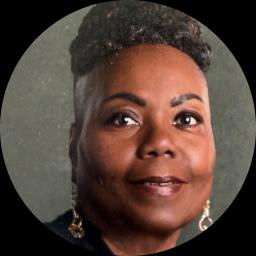
About Victoria
Victoria Hopkins is an Ohio LISW with 20 years of clinical experience in mental health and substance use. She trained in social work at Ursuline College and completed a Master of Science in Social Administration at Case Western Reserve. She also holds a clinical license in substance use disorder and has spent the past decade working alongside veterans affected by homelessness and related health struggles.
She focuses on addictions, trauma and abuse, depression, bipolar, anxiety, grief, anger, stress, and self-esteem. She also addresses workplace issues, career concerns, process addictions, and compassion fatigue. Multicultural concerns are listed among her areas of focus, and she names drug and alcohol addiction and veteran and armed forces issues as particular interests.
Her style centers on asking what happened rather than what is wrong. That means she invites people to tell their story first and then looks for practical ways forward. She uses Client-Centered Therapy to follow the person's lead and Cognitive Behavioral Therapy to identify unhelpful thought patterns.
She also uses Motivational Interviewing to help people find their own reasons for change and Trauma-Focused Therapy when past events continue to cause distress. Sessions combine listening with specific skills to manage symptoms and make everyday life easier.
Sessions are offered in English. For people considering work together, she asks prospective clients to complete a short matching questionnaire and schedule a first session to begin.
How her approaches translate to online care
Client-Centered Therapy focuses on listening and following the person's priorities. Online sessions using this approach let the therapist center your concerns and adapt the pace to what you bring up. Cognitive Behavioral Therapy (CBT) looks at thoughts and behaviors to reduce symptoms. In remote sessions CBT can include practical exercises, thought logs, and behavioral experiments you can try between meetings.Finding the right approach is part of the work together. She will discuss options and decide with you which methods fit your goals and preferences. That collaborative step helps shape session length, focus, and the kinds of exercises she recommends.
The biography does not list specific session formats here, so confirm current session options before booking. Online work can make it easier to fit therapy into a busy life by reducing travel time and allowing shorter check-ins when needed. It can also let you do behavioral exercises in your usual settings and practice skills between sessions to support change.
Areas of expertise
Primary focus
Also works with
Additional focus areas
Therapeutic approaches
Experience
20+ years
Credentials
Ohio
Languages
English
Frequently asked questions
What kinds of concerns does she work with?
She focuses on addictions, trauma and abuse, depression, bipolar disorder, anxiety, grief, anger, stress, self-esteem, career and workplace issues, and related concerns.
How would you describe her therapeutic style?
She asks what happened rather than what's wrong, listens for your story, and uses client-centered methods alongside CBT and motivational interviewing to set practical steps.
How much clinical experience does she have?
She has 20 years of experience working in mental health and substance use care, including a decade supporting veterans with homelessness and related issues.
What are her credentials and where does she practice?
She is an Ohio LISW and practices in Ohio.
Which languages are supported?
Sessions are offered in English.
Can people outside the United States work with her?
She does not accept international clients.
How are sessions priced and paid for?
Cost varies with location and sessions use a subscription that can be canceled at any time.
What steps are required to get started?
Select the See online therapy options button, complete a short matching questionnaire, and schedule a first session.