- Client-Centered Therapy
- Gottman Method
- Narrative Therapy
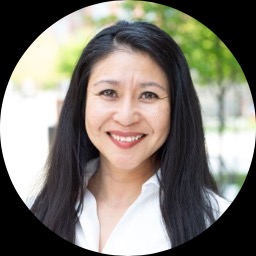
About Susanne
Susanne Jenemann is a Licensed Marriage and Family Therapist (LMFT) in New York with 20 years of clinical experience. She works with people facing stress, anxiety, depression, grief and loss, trauma and abuse, relationship and family concerns, and issues around self-esteem and motivation.
She frames clients as experts in their own lives. Sessions focus on identifying strengths and practical steps to manage hard moments. Susanne emphasizes clear communication and steady progress rather than quick fixes.
Her background includes long-term work with trauma, relationship conflict, and multicultural concerns. She uses a mix of approaches to match what a person needs, combining open listening with methods that address patterns in relationships and personal stories.
In session she may look at how family history shapes current behavior and how stories people tell about themselves affect healing. She also uses methods aimed at rebuilding safety after traumatic experiences and improving communication between partners.
People who contact her can expect straightforward conversations about goals and next steps. The initial focus is on what matters most now and small changes that help day-to-day functioning.
Susanne practices in New York and offers services in English. Prospective clients who want to begin are asked to use the online intake flow to complete a short questionnaire and schedule their first meeting.
Approaches used and how online sessions work
Client-Centered Therapy focuses on listening and reflecting back what matters to the client. It helps people clarify goals, notice their strengths, and decide their next steps in manageable ways.The Gottman Method addresses relationship patterns and communication. It teaches specific skills for handling conflict, rebuilding connection, and changing repetitive cycles between partners.
Narrative Therapy looks at the stories people tell about themselves and their lives. It helps separate problems from identity so people can choose different paths and meanings.
Finding the best approach is collaborative. The therapist will talk with the client about goals, try different methods, and adjust as progress and preferences become clearer. This means approach and techniques are chosen together rather than imposed.
The practical benefits of online work include fitting sessions around work and family commitments and reducing travel time. Online meetings can make it easier to have shorter check-ins or schedule appointments between obligations. Confirm the current session options before booking so you know which formats are offered and can pick times that fit your routine.
Areas of expertise
Primary focus
Also works with
Additional focus areas
Therapeutic approaches
Experience
20+ years
Credentials
New York
Languages
English
Frequently asked questions
What concerns does she work with?
She works with stress, anxiety, depression, grief, trauma and abuse, relationship and family issues, self-esteem and related concerns such as anger and compassion fatigue.
What is her therapeutic style?
She uses a client-centered approach that centers the person's experience and strengths, combined with methods that address relationship patterns and personal narratives.
How long has she been practicing?
She has 20 years of professional experience working with individuals on trauma, relationships, and multicultural concerns.
What are her credentials and where does she practice?
She is an LMFT licensed in New York and practices in New York state.
Which languages are sessions offered in?
Sessions are offered in English.
Can international clients work with her?
She does not accept international clients at this time.
How are sessions paid for and what do they cost?
Cost varies with location; sessions use a subscription that can be canceled at any time.
How do I begin a first session?
Select the See online therapy options button, complete a short matching questionnaire, and schedule a first session.