- Stress and anxiety
- Trauma recovery
- Multicultural concerns
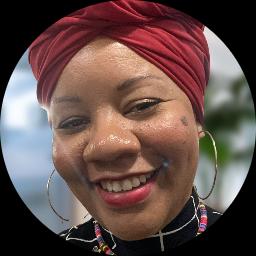
About Shantell
Shantell Whitaker is a Licensed Mental Health Counselor (LMHC) practicing in Florida with three years of professional experience. She works with people facing stress, anxiety, relationship concerns, trauma and abuse, depression, and coping with life changes. Her profile also lists support for workplace issues, women's issues, multicultural concerns, first responder and veteran issues, and recovery after disasters.
She frames sessions as a collaborative conversation. She listens to what matters most and adjusts questions and pacing to match each person. In practical terms that means focused talk, coping strategies, and realistic steps you can try between sessions.
Shantell draws on commonly used evidence-based therapeutic techniques to address symptoms and day-to-day problems. She helps people notice patterns in thinking and behavior, practice skills for managing anxiety or stress, and process upsetting events at a pace that feels manageable.
Her work often covers practical life concerns such as career strain, relationship conflict, and finding direction after major changes. She also notes experience with post-traumatic stress and first responder or veteran-related stressors, including helping people manage reactions after natural or human-caused disasters.
Sessions are shaped around the person in front of her, with a plan that changes as needs change. To begin, people complete a short matching questionnaire and schedule a first session so goals and next steps can be set together.
Approaches used and how online sessions fit
Shantell uses commonly applied evidence-based techniques that focus on changing unhelpful thinking and building coping skills. Cognitive-style approaches help people notice patterns in thoughts and test different ways of interpreting situations, which can reduce anxiety and low mood. She also uses skills-based strategies for managing stress such as breathing, grounding, and activity planning to ease daily symptoms and improve functioning.Processing work for trauma and difficult life events is delivered in small, structured steps. That means talking through memories and reactions at a pace the person chooses, and pairing that talk with concrete skills for managing strong feelings. Deciding which mix of techniques to use is a collaborative choice made with the therapist based on the client’s goals and what feels manageable.
The practical benefits of online therapy can include fitting sessions into a busy schedule, reducing travel time, and choosing a format that matches day-to-day life. The biography does not list specific session formats, so confirm current options before booking. Many people find online sessions make it easier to attend regular meetings and to keep momentum between appointments.
Areas of expertise
Primary focus
Additional focus areas
Experience
3+ years
Credentials
Florida
Languages
English
Frequently asked questions
What kinds of problems does she help with?
She works with stress, anxiety, relationship issues, trauma and abuse, depression, and coping with life changes. Additional focus areas include workplace issues, women's issues, and multicultural concerns.
How does she approach therapy?
She uses commonly used evidence-based therapeutic techniques and adapts conversational pacing to each person. Sessions include practical talking, skill practice, and steps to try between meetings.
How much clinical experience does she have?
She has three years of professional work experience as a clinician in Florida.
What are her credentials and where does she practice?
She is a Licensed Mental Health Counselor (LMHC) and practices in Florida.
Which languages are offered?
Sessions are offered in English.
Can people outside the United States work with her?
She does not accept international clients at this time.
How are sessions arranged and how much do they cost?
Cost varies with location and sessions use a subscription model that can be canceled at any time.
How do I get started with a first session?
Select the See online therapy options button, complete a short matching questionnaire, and schedule a first session to set goals and next steps.