- Addictions
- DBT and CBT
- LGBT concerns
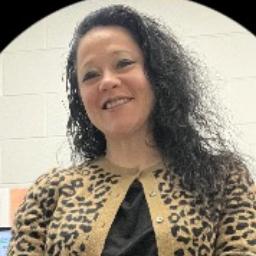
About Sarah
Sarah Baumgardner is an LPC (Licensed Professional Counselor) with 13 years of experience in clinical work in West Virginia. She sees people coping with addictions, LGBT concerns, trauma and abuse, life changes, and ADHD. Sarah also addresses related issues such as attachment problems, codependency, and caregiver stress.
Her sessions tend to be straightforward and practical. She uses client-centered methods alongside approaches like Dialectical Behavior Therapy and Cognitive Behavioral Therapy. That means sessions focus on what matters most to the client and include skills-based work when helpful.
Sarah often helps people who are managing shame, improving communication, or sorting through past hurts. She works with relationship patterns and attachment struggles, and supports parents and caregivers who are under long-term stress. She also sees issues tied to adoption, foster care, and aging concerns.
Her background includes long-term clinical experience with addiction and trauma. Over the years she has blended acceptance and commitment ideas with attachment-based thinking to support clearer goals and behavior changes. Sessions typically move between talking through patterns and practicing concrete skills to reduce distress.
People who prefer a direct, collaborative style may find her approach fits well. She invites clients to set goals and to test small changes between sessions. To start, readers should confirm current session options and follow the booking steps on the profile to select a first appointment.
How her approaches translate to online sessions
Acceptance and Commitment Therapy (ACT) focuses on clarifying values and taking small actions that match those values. It helps when life changes or uncertainty make it hard to decide what matters. Dialectical Behavior Therapy (DBT) emphasizes teaching practical skills for managing intense emotions, handling crises, and improving interpersonal effectiveness. Cognitive Behavioral Therapy (CBT) looks at the links between thoughts, feelings, and behaviors and helps people test different ways of responding to problems.Figuring out which approach fits best is part of the work. The therapist will collaborate with the client to choose methods that match the client's goals, needs, and preferences. Sessions can mix techniques so the plan evolves with progress and feedback.
Session format details are not listed in the biography, so readers should confirm current options before booking. Online work can make it easier to fit therapy into a busy week, reduce travel time, and allow for shorter check-ins when needed. Licensed professionals often use a mix of talking, skills practice, and homework between sessions to keep progress steady.
Areas of expertise
Primary focus
Additional focus areas
Therapeutic approaches
Experience
13+ years
Credentials
West Virginia
Languages
English
Frequently asked questions
What concerns does she address?
She works with addictions, LGBT concerns, trauma and abuse, coping with life changes, and ADHD, plus related issues like attachment and caregiver stress.
What is her general approach in sessions?
Her style is client-centered and practical, often using DBT and CBT techniques along with acceptance and commitment and attachment-based ideas.
How long has she been practicing?
She has 13 years of clinical experience working with a range of emotional and relational challenges.
What credential does she hold and where is she based?
She is an LPC (Licensed Professional Counselor) licensed in West Virginia and practices from that state.
Which languages are sessions offered in?
Sessions are offered in English.
Can people outside the United States work with her?
She does not accept international clients at this time.
How are costs handled for sessions?
Cost varies with location and sessions use a subscription that can be canceled at any time.
How do I begin working with her?
Select the See online therapy options button, complete the short matching questionnaire, and schedule a first session.